


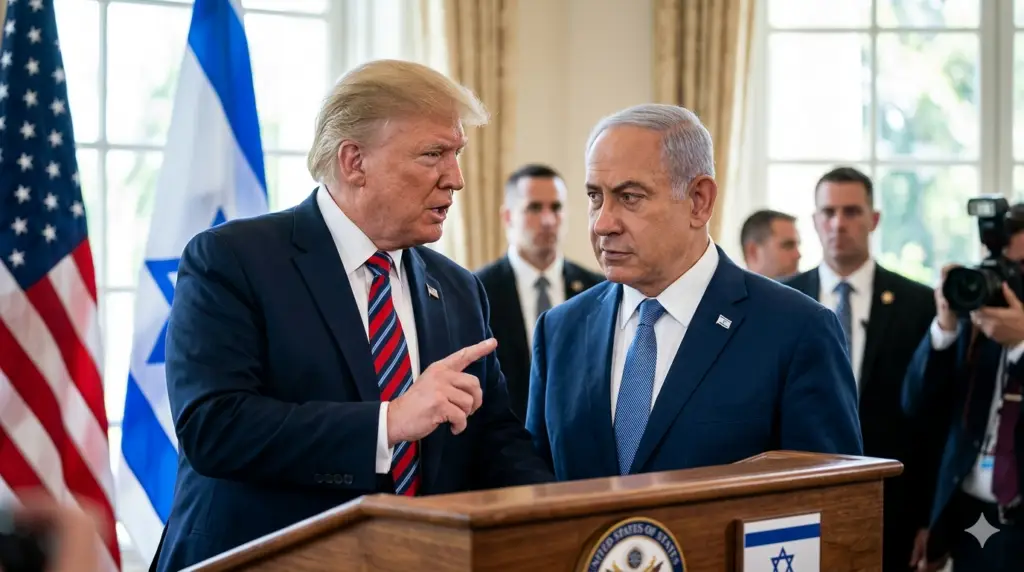
- Trump Iran Deal driven by fear of global economic collapse and oil shock
- Pentagon requests $80 billion to sustain Iran war operations and refill depleted military resources
- JD Vance sharply rebukes Israeli critics, signaling a shift in U.S. foreign policy tone
- Reopening of the Strait of Hormuz restores oil flow, stabilizes markets, and boosts global trade
Donald Trump’s decision to strike a deal with Iran—halting a costly war, reopening the Strait of Hormuz, and triggering a sharp rebound in global markets—was not born of ideological realignment, but of economic urgency, political calculation, and mounting strategic pressure.
In his own unusually candid words, Trump revealed the central driver: fear of economic collapse. As oil flows through the Strait of Hormuz—responsible for nearly 20% of global petroleum trade—remained choked by conflict, energy prices surged, supply chains tightened, and investor confidence wavered. Trump bluntly warned that without a deal, the world risked “a depression… maybe worse than 1929.” This framing underscores a presidency deeply sensitive to market signals, particularly heading into a contentious midterm cycle.
At the heart of the crisis was the blockade of Hormuz, which Iran leveraged as its most potent economic weapon. With U.S. reserves reportedly strained and global oil markets jittery, Washington faced a narrowing set of choices: escalate militarily with uncertain outcomes, or concede diplomatically to restore stability. Trump chose the latter—effectively acknowledging that economic warfare had shifted leverage toward Tehran.
The memorandum of understanding, while temporarily reopening the strait, raises questions about long-term strategic concessions. Critics argue the deal front-loads sanctions relief without securing concrete dismantlement of Iran’s nuclear or missile capabilities. Instead, it initiates a 60-day negotiation window, a structure that some analysts liken to “managed de-escalation” rather than resolution. The risk, they warn, is cyclical coercion—Tehran could again threaten Hormuz to extract further concessions.
Pakistan-Brokered US-Iran Deal Reshapes Middle East Power Balance as Markets Surge and Strategic Order Shifts
Vice President JD Vance has emerged as the administration’s chief defender of the deal, particularly against criticism from Israeli hardliners. In a rare public rebuke of Israeli officials, Vance emphasized geopolitical realism over ideological alignment. “Israel can’t just kill its way out of every security problem,” he remarked, signaling a departure from traditionally unconditional U.S. backing.
Vance’s argument is rooted in strategic prioritization. The United States, he suggests, must balance its alliance commitments with broader global stability. His defense of the deal also reflects an internal recalibration within Washington—moving from maximalist objectives like regime change or total disarmament toward incremental containment and economic normalization.
Pentagon Tells Lawmakers It Needs $80 Billion for Iran War and Other Bills
This divergence has exposed fractures in U.S.-Israel relations. While Prime Minister Benjamin Netanyahu has remained publicly cautious, figures within his government fear the deal grants Iran both financial breathing room and geopolitical legitimacy. Their concern is not unfounded: increased oil revenues could enable Tehran to rebuild its regional proxy networks and military capabilities.
Complicating matters further is the staggering financial cost of the conflict. The Pentagon has now informed lawmakers it requires an additional $80 billion to sustain war operations and replenish depleted resources. This comes on top of an already ballooning defense budget nearing $1 trillion. The war, which began in late February, has strained munitions stockpiles, increased operational tempo, and forced trade-offs in global military readiness.
Congressional resistance to further war funding is growing, particularly in the absence of formal authorization. Lawmakers across party lines are questioning both the legality and sustainability of the campaign. The fiscal burden—combined with domestic political pressures—has reinforced the administration’s pivot toward diplomacy.
Yet, the most immediate and visible impact of the deal lies in the reopening of the Strait of Hormuz. Within 24 hours of the agreement, over 12 million barrels of oil reportedly passed through the corridor, signaling a rapid normalization of maritime traffic. Oil prices have since declined sharply, easing inflationary pressures worldwide. Stock markets—from Wall Street to Shanghai—have responded with renewed optimism.
The economic ripple effects are profound. Lower energy costs reduce production expenses, stabilize currencies, and improve trade balances, particularly for import-dependent economies in Asia and Europe. Ports across the UAE, China, and Singapore are witnessing a surge in activity, reflecting restored confidence in global shipping routes.
In essence, Trump’s Iran deal represents a pragmatic, if controversial, recalibration of U.S. strategy—prioritizing economic stability over military escalation. Whether this approach delivers lasting peace or merely postpones the next crisis will depend on the durability of negotiations and the credibility of enforcement mechanisms.
For now, however, the world economy is breathing easier—and that, above all, was the deal Trump needed.