


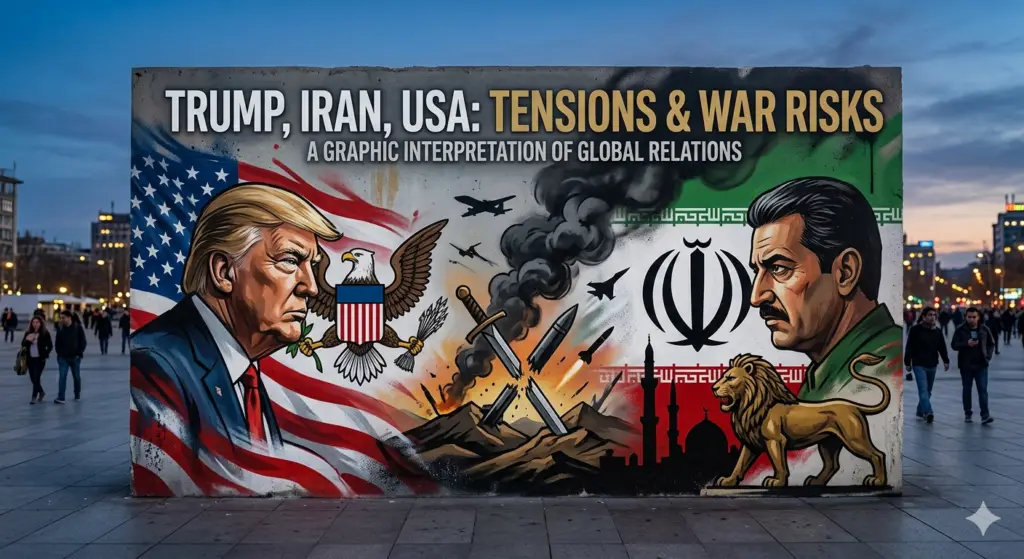
- Trump Iran war red line established by the White House mandates that all-out military escalation remains frozen unless American personnel are killed on the ground.
- Direct Iranian drone and missile strikes hit Kuwait International Airport and regional security outposts, leaving 1 person dead and shattering the stability of the April truce.
- Intense friction has emerged between the administration and Israeli Prime Minister Benjamin Netanyahu over halting offensive operations in Beirut to safeguard fragile diplomatic channels.
- The ongoing naval blockade of Iranian ports continues to squeeze energy markets, with U.S. Marines actively intercepting tankers in highly contested maritime corridors.
WASHINGTON — President Trump has established a definitive military red line in the current Middle East crisis, privately signaling to senior aides that the United States will not resume all-out war with Iran unless Tehran’s actions result in the deaths of American troops.
The disclosure highlights a calculated, highly cautious approach by the administration. Trump appears willing to absorb smaller regional skirmishes, low-level drone strikes, and maritime provocations for weeks—or even months—if it prevents the U.S. from being dragged back into a full-scale, uncontainable war.
The Conflict in Numbers: A Precarious Ceasefire
The weekslong pause in major airstrikes, which went into effect in early April, has grown increasingly fragile. Recent days have seen a dramatic spike in direct hostilities despite intense backchannel diplomacy.
| Key Metric / Location | Current Status / Operational Impact |
| Kuwait International Airport | Struck by Iranian missiles and drones; 1 fatality confirmed. |
| Strait of Hormuz | Blockaded by the U.S. Navy; trade heavily restricted by Tehran. |
| Conflict Timeline | Started Feb. 28; initial White House estimates projected a 6-week duration. |
| Negotiation Window | Proposed 60-day “memorandum of understanding” framework currently stalled. |
Escalation in the Strait and Region
The strategic dilemma for the White House has intensified following a series of highly coordinated strikes by Tehran. Iranian missiles and drones targeted regional U.S. bases alongside Kuwait’s international airport this week, shattering the illusion of a stable truce. Simultaneously, the U.S. military has maintained a strict naval blockade of Iranian ports, punctuated last month by U.S. Marines boarding an Iranian-flagged tanker suspected of attempting to run the blockade.
Navigating a Fractured Gulf: Assessing Condoleezza Rice’s Post-War Blueprint for Iran
While Secretary of State Marco Rubio defended the American actions as “purely defensive,” stating that U.S. forces are merely responding to immediate Iranian provocations, external analysts argue that the current template mimics an active war zone.
“In that part of the world, ceasefire is when you’re shooting in a more moderate manner,” Trump told reporters in the Oval Office on Wednesday, insisting the situation remains under control.
The Diplomatic Logjam and Alignment Friction
The administration’s primary objective remains the diplomatic dismantlement of Iran’s nuclear infrastructure and the elimination of its enriched uranium stockpiles. However, negotiations are moving at a glacial pace due to structural obstacles:
-
The Asset Deadlock: Trump rejected Iran’s latest proposal last Friday, demanding major concessions upfront. Conversely, Iranian Foreign Minister Abbas Araghchi maintains that nuclear negotiations will only advance after the U.S. unfreezes billions in frozen Iranian assets.
-
The Proxy Factor: The fate of the U.S.-Iran truce has become intrinsically linked to the conflict between Israel and Hezbollah.
-
Allied Clashes: In an effort to protect fragile diplomatic channels, President Trump intervened directly on Monday, pressuring Israeli Prime Minister Benjamin Netanyahu to halt a planned military offensive near Beirut, Lebanon.
While Israel and Lebanon later agreed to renew a separate ceasefire format, the truce is entirely contingent on a total cessation of hostilities by Hezbollah, an entity that was completely excluded from the text of the talks.
Trump Tells Aides He Won’t Resume All-Out War With Iran Unless U.S. Troops Are Killed
Ground Analysis: A Strategy of Friction
Trump’s strategic hesitation reveals a significant policy impasse. Senior foreign policy analysts note that Iran is actively demonstrating a high tolerance for economic pain, refusing to capitulate under the pressure of the naval blockade.
By tying the resumption of all-out war strictly to American casualties, the White House has inadvertently given Tehran room to maneuver. Iran can continue executing low-intensity proxy strikes and disrupting global energy corridors in the Strait of Hormuz without triggering a devastating regime-ending response. Trump remains caught between accepting a vague, non-binding nuclear commitment to end the crisis quickly, or digging in for a grueling, multi-month economic war of attrition that threatens to destabilize the broader global economy.