


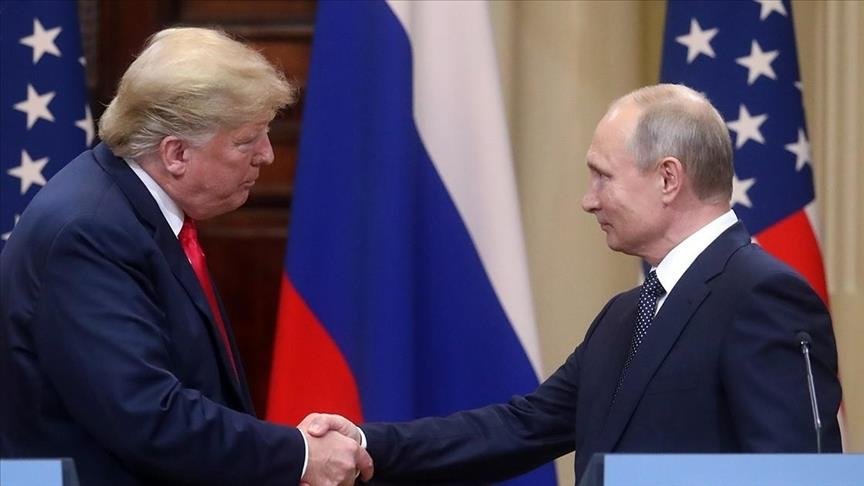
- Historic Trump–Putin summit in Alaska set to decide the fate of Ukraine war and NATO unity.
- High-stakes talks may include cease-fire terms, land swap proposals, and nuclear arms control discussions.
- Experts warn a deal could fracture NATO and embolden future aggressors if Ukraine is forced into concessions.
- Anchorage transforms into a global media hub as protesters, diplomats, and security converge for the meeting.
Anchorage, Alaska — The city feels more like the epicenter of a geopolitical earthquake than a quiet corner of America’s last frontier. Helicopters hum overhead, black SUVs glide through cordoned-off streets, and international journalists — from London to Tokyo — have taken over hotel lobbies, nursing coffees while watching a swirl of speculation on giant TV screens.
In just a few hours, Joint Base Elmendorf-Richardson will become the stage for a meeting between two men who, for better or worse, can shift the axis of global politics: Donald J. Trump, back in the Oval Office for a second term, and Vladimir V. Putin, Russia’s unyielding strongman.
Trump–Putin High-Stakes Alaska Summit: The Deal That Could Redraw the Global Map
The world has learned to expect unpredictability from both leaders. But this encounter is more than theater. It’s the first face-to-face meeting between a U.S. and Russian president since Russia’s full-scale invasion of Ukraine three and a half years ago — and the stakes are as high as they come.
“All wars end eventually,” a veteran European diplomat muttered to me in the media pen, “but the problem here is that both men think they can outmaneuver the other — and neither likes to lose.”
The Weight of History, the Risk of the Moment
This is no mere symbolic handshake. The unresolved war in Ukraine — already the bloodiest conflict in Europe since World War II — has claimed over a million lives and shredded the post-Cold War security order. At its core lies a disagreement not just over borders, but over Ukraine’s very right to exist. Putin has been unflinching: Eastern Ukraine, in his view, is Russian land, and Crimea’s annexation in 2014 was just the beginning.
READ MORE: How Trump’s Meeting With Putin Could Unfold
Trump, meanwhile, has sent mixed signals. Before boarding Air Force One, he told reporters that if he walked into a press conference alone, the world should assume there was no deal. Yet, he also dangled the possibility of staying in Alaska to invite Ukrainian President Volodymyr Zelensky to join — “by far the easiest way” to mediate, he said.
Such big talk clashes with the reality: decades of mistrust, NATO’s shifting role, and a Russian army that has been making steady advances on the ground.
“This is the most pivotal U.S.–Russian summit in a generation,” said Dr. Karen Whitfield, a former senior adviser at the State Department and now a fellow at the Brookings Institution. “If Putin convinces Trump to push Ukraine into territorial concessions, you’re not just changing a border — you’re redefining the global balance of power. NATO’s cohesion would fracture overnight, and Beijing would take notes for Taiwan.”
Cease-Fire or Stalemate?
The first test will likely be whether the two leaders can agree on a cease-fire. European capitals and Kyiv insist it’s the only way to start talks. But Putin, riding a wave of battlefield gains, may see no incentive to pause.
ALSO READ: Putin’s Calculated Push: How Russian Gains in Ukraine Could Tilt the Table Before the Alaska Summit
Trump’s declared top priority is “to stop the killing,” though in recent days he has also hinted at Nobel Peace Prize aspirations. Yet, the path to even a temporary cease-fire is tangled — requiring trust that neither man is known for.
And then comes the question of boundaries. Analysts here openly compare it to Yalta in 1945, when Stalin, Churchill, and Roosevelt carved up Europe.
The Land Swap Minefield
Trump has floated the idea of “land swaps,” alarming Ukraine and its European allies. That phrase, diplomats warn, risks legitimizing Russian occupation and rewarding military aggression.
“It’s dangerous,” Whitfield said flatly. “You don’t end wars by slicing up territory for convenience. You embolden the next aggressor.”
NATO’s Shadow Over the Table
Trump’s first months back in office have already shaken NATO. His defense secretary publicly stated Ukraine wouldn’t be invited to join the alliance anytime soon, and Trump himself declared in February, “NATO, you can forget about.”
To Moscow, such statements are music. To Brussels, they’re alarm bells. NATO unity — already strained by disagreements over funding — could unravel if Trump leans toward a deal that sidelines European security concerns.
A Grand Bargain, or a Grand Illusion?
Putin is coming prepared with more than maps and cease-fire terms. He’s bringing a business delegation, aiming to tempt Trump with discussions over rare earths, critical minerals, and commercial deals — especially in regions of Ukraine now under Russian control.
And then there’s Alaska itself — once Russian territory — a fact Putin is almost certain to drop into conversation. Trump has hinted at “incentives and disincentives” for Russia, but has kept the specifics secret.
Putin, for his part, has teased a nuclear arms control proposal to replace the expiring New START treaty. For Trump, the allure of brokering such a pact — and claiming credit for averting a new arms race — could outweigh concessions elsewhere.
But as the hours tick down to their meeting, the questions remain: Is this the dawn of a genuine peace process, or the prelude to a geopolitical reshuffle that could leave Ukraine in the cold and NATO on life support?
Anchorage is bracing for the answer. Outside the air base, protesters chant in sub-zero winds, some waving Ukrainian flags, others carrying “Trump for Peace” banners. Inside, the stage is being set — a table, two chairs, and the weight of history.
Because when Trump and Putin sit down in that room, it won’t just be about Ukraine. It will be about the future of the world order itself.