


-
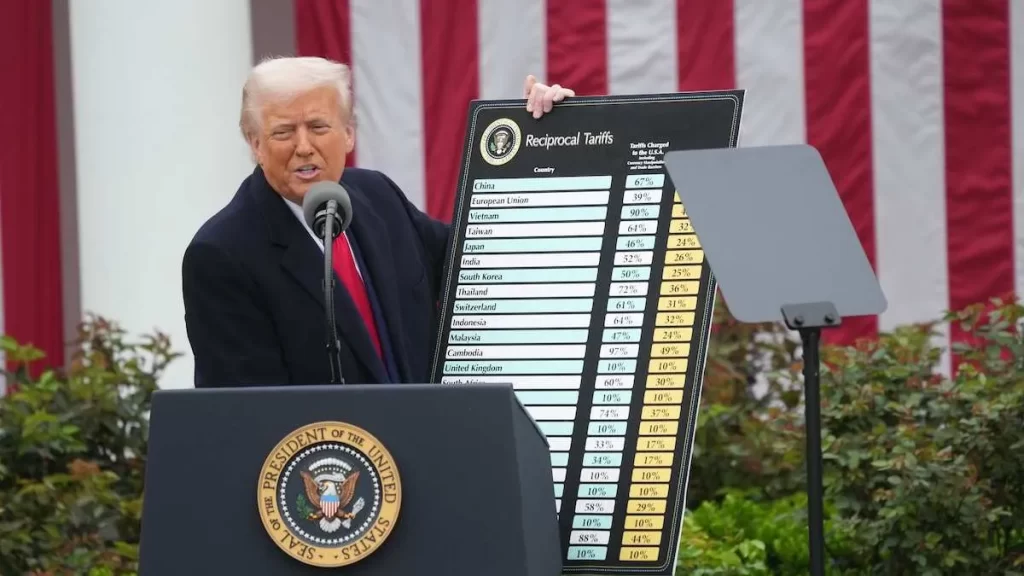
Trump Threatens 70% Tariffs: President Trump to impose tariffs up to 70% starting August 1, pressuring global trade partners.
-
EU in frantic negotiations to secure last-minute deal and avoid steep U.S. levies.
-
Key sectors at risk: automotive, steel, and agriculture—Germany and France voice concerns.
-
Global markets on edge as Trump’s strategy divides trade partners into winners and losers.
Exclusive: Trump Ukraine Troops Deployment in Historic Peace Deal as Zelensky Accepts Russian Terms
As of January 2026, average U.S. tariffs stand at around 16-17%, with ongoing uncertainty amid legal challenges and potential escalations.The July 2025 Threats: Up to 70% Tariffs on the HorizonIn early July 2025, Trump announced plans for unilateral tariffs ranging from 10% to as high as 70% on imports from multiple countries, effective August 1. “They’ll start to pay on August 1,” Trump told reporters, confirming notification letters would be sent by July 9.The approach divided partners into tiers:
- Full agreements: Baseline 10-15% with reductions possible.
- Ongoing talks: Temporary increases.
- No progress: Up to 50-70% indefinitely.
Key sectors at risk included automotive (especially German and French exports), steel, and agriculture. Germany and France voiced strong concerns, warning of devastating impacts on jobs and supply chains.Trump revealed signing “about a dozen” letters daily, part of resetting U.S. trade on “reciprocal” terms. Treasury Secretary Scott Bessent aimed for deals with 18 priority nations by Labor Day.EU’s Frantic Negotiations and Last-Minute Deal.
2025 was the year of Trump: From Aggressive Tariffs to Brokering Global Peace
Donald Trump pauses US tariff hike on furniture, cabinets for one year
- EU: 15% baseline.
- UK/Vietnam: Lower exemptions.
- Others: Varied 10-35%.
As of January 2026, delays continue (e.g., furniture tariff hikes postponed to 2027). Supreme Court ruling expected early 2026 on IEEPA legality could force adjustments.Impacts on Key Sectors
- Automotive: Protected via deals; EU/Japan investments eased pressures.
- Steel/Agriculture: Higher duties persisted, hitting exporters.
- Consumers: Tariffs added ~$1,200-2,100 household costs in 2025; effects delayed but expected in 2026.
Outlook for 2026With USMCA review looming and China truce expiring, uncertainty persists. Economists predict mild inflation/economic drags, but no full reversal. Trump’s strategy secured revenue (~$250-350B in 2025) and manufacturing pledges, though at global trade costs.“The window is small, and the risks are real,” one diplomat said in 2025. In 2026, tariffs remain a defining feature, dividing winners (deal-makers) and losers.