


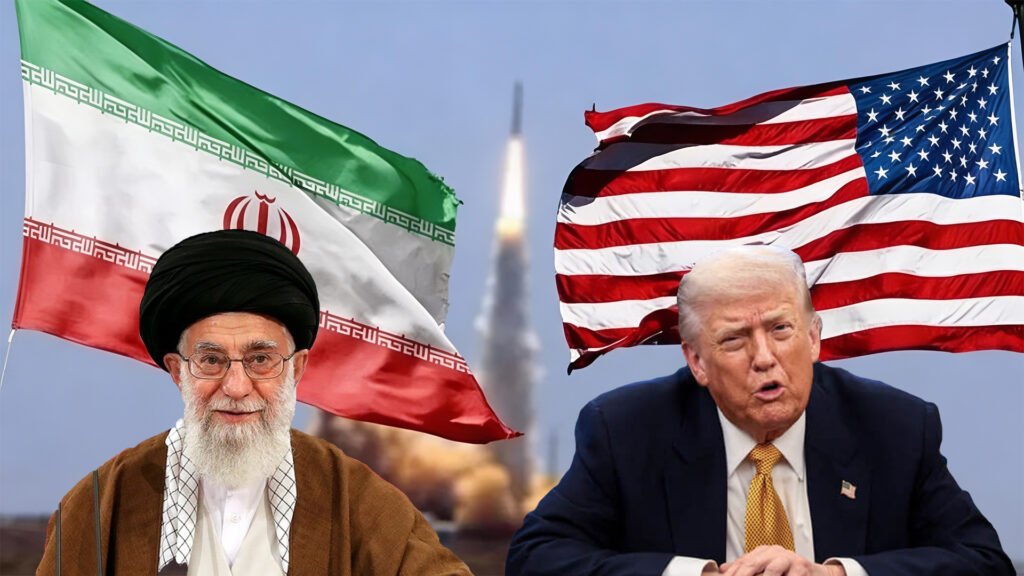
- U.S.–Iran talks move forward, showing constructive progress under Omani mediation.
- Washington advises ships to avoid Iranian waters, signaling strategic deterrence.
- U.S. military buildup in the Middle East ensures readiness for rapid escalation.
- Global policymakers monitor developments due to risks to energy security and regional stability.
The United States is pursuing a bold strategy in early 2026. On one hand, Washington engages Iran in substantive nuclear talks, which appear to be progressing smoothly. On the other, it warns U.S.-flagged ships to avoid Iranian waters, signaling readiness for military action at any moment.
This dual approach combines diplomacy with strategic deterrence, maintaining maximum leverage over Tehran and ensuring that U.S. interests remain protected across the Gulf.
Diplomatic Progress Amid High Tension
Negotiations between the U.S. and Iran, mediated by Oman, focus primarily on Iran’s nuclear program. Senior envoys, including U.S. representatives and Iran’s Foreign Minister Abbas Araghchi, describe the talks as constructive.
Tehran signals willingness to pursue fair, equitable agreements, moving away from hardline rhetoric. President Masoud Pezeshkian emphasizes safeguarding Iran’s nuclear rights while lifting “unjust sanctions.”
US Iran Military Escalation: Trump Sends New Armada as Middle East Braces for Possible War
Iran remains cautious. Officials insist negotiations should focus on nuclear issues, rejecting external pressures regarding missiles or regional proxies. Both sides have stressed that progress depends on trust and verification.
U.S. officials, including Vice President JD Vance, underscore that President Trump maintains full control over negotiation parameters. Analysts suggest this demonstrates a carefully calibrated diplomatic approach, keeping options open for either compromise or escalation depending on Tehran’s response.
Iran’s Conflict With Israel and the United States
The talks have been described as “very good” by Trump, though he continues to warn of severe consequences if Iran does not comply. Observers note that these negotiations are happening under the shadow of prior conflict, including U.S. strikes on Iranian nuclear facilities during June 2025, emphasizing the high stakes involved.
Maritime Advisory Reflects Strategic Posture
While diplomacy continues, the U.S. has increased pressure on Tehran. On February 9, the U.S. Maritime Administration advised U.S.-flagged vessels in the Strait of Hormuz to stay clear of Iranian waters.
US Iran Military Escalation: Trump Sends New Armada as Middle East Braces for Possible War
Ships should also refuse permission for Iranian boardings, although crews need not resist forcibly. This advisory highlights the strategic significance of the Strait of Hormuz, a crucial chokepoint for global oil shipments.
Updates: Trump doubles down on Iran threats as US puts more sanctions
The move reassures maritime operators while signaling to Iran that the U.S. maintains operational readiness. Recent incidents, including the downing of an Iranian drone near the USS Abraham Lincoln, demonstrate Washington’s capability to respond immediately to threats. Experts note that by publicly establishing maritime rules of engagement, the U.S. reinforces both deterrence and predictability for global shipping.
Military Build-Up Maintains Pressure
The U.S. maintains a substantial naval and air presence in the Middle East. Carrier strike groups, guided-missile destroyers, and air combat units operate in proximity to Iran. These deployments reinforce deterrence and provide options for rapid escalation if diplomacy fails. Analysts note that this dual-track strategy strengthens U.S. leverage while keeping regional allies confident in Washington’s commitment to security.
Meanwhile, Iran has tested maritime assertiveness, including incidents with Iranian gunboats approaching commercial vessels. These tensions drive market volatility, as oil prices rose over 1% following the maritime advisory. Policy makers worldwide monitor these developments closely, recognizing that any miscalculation could affect global energy security.
Strategic Implications for Policy Makers
For heads of state, senior advisors, and think tank leaders, the current posture signals deliberate U.S. planning. Diplomacy seeks a verifiable nuclear agreement, while visible deterrence ensures Iranian compliance. This combination offers maximum leverage and maintains freedom of navigation in critical shipping lanes.
The United States appears ready for either a major diplomatic breakthrough or decisive military action. Tehran’s response will shape regional stability, global energy markets, and the future of U.S.–Iran relations. Policy makers must closely monitor both negotiations and military developments to anticipate strategic outcomes.
Washington is clearly positioning for something big. Whether diplomacy succeeds or conflict arises depends entirely on Tehran’s choices. The balance between talks and readiness defines the global stakes in the Gulf region.