


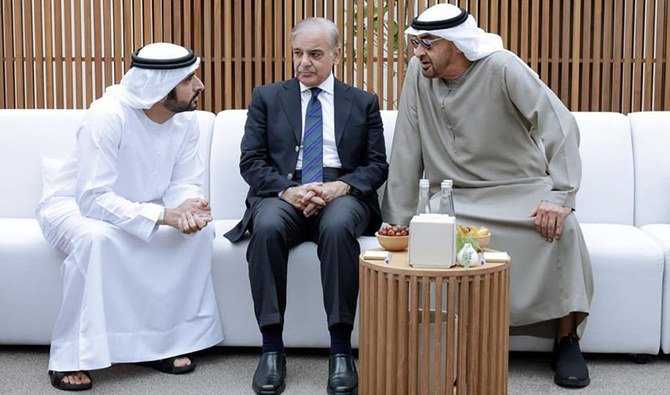
- UAE President Sheikh Mohamed bin Zayed Al Nahyan arrives in Islamabad on Friday, Dec 26, for his first official state visit.
- The visit aims to strengthen trade and energy ties, following the signing of several MoUs earlier this year.
- A “silent” visa freeze has seen thousands of Pakistani applications rejected since October 2025.
- PM Shehbaz Sharif is expected to discuss the visa issue, which has seen rejection rates for Pakistanis climb as high as 80%.
As the winter chill settles over the capital, Islamabad is preparing for a diplomatic event of immense proportions. On Friday, December 26, 2025, the President of the United Arab Emirates (UAE), Sheikh Mohamed bin Zayed Al Nahyan, is scheduled to arrive in Pakistan for a landmark official visit.
While the city is being adorned with flags and security protocols have reached a fever pitch to welcome the “brotherly” leader, a simmering crisis lies just beneath the surface of the ceremonial red carpets: a quiet, yet devastating, visa blockade against Pakistani citizens.
UAE Embassy Marks 54th Union Day in Islamabad With Grandeur, Diplomacy, and a Vision for the Future
A Tale of Two Realities
The official narrative from the Foreign Office (FO) paints a picture of seamless cooperation. This trip marks Sheikh Mohamed bin Zayed’s first formal state visit as President, following a more informal meeting with Prime Minister Shehbaz Sharif in Rahim Yar Khan earlier this year. The agenda is ambitious, covering the “entire spectrum of bilateral relations,” with a heavy focus on trade, energy, and the establishment of a Joint Business Council.
READ MORE: Syria Geopolitics 2025: The Rise of Ahmed al-Sharaa and the Saudi Blueprint
However, for the average Pakistani, the reality is far less welcoming. For months, reports have trickled in of a “silent freeze” on visas. While the UAE has not publicly declared a ban, thousands of Pakistani applicants—including high-profile professionals, journalists, and businessmen—are facing immediate rejections through the Emirati digital portals.
The Personal Cost of a Silent Ban
The crisis took a personal turn for the media community when it was revealed that a few prominent journalists had their applications rejected. Despite providing comprehensive documentation, including evidence of substantial funds and a clear travel itinerary, the rejections were issued without any stated reason.
UAE president to visit Pakistan on Dec. 26 to strengthen trade, investment cooperation
“It is unbelievable,” they said, speaking on the disconnect between diplomatic rhetoric and administrative action. “Pakistan and the UAE enjoy a very cordial relationship. Despite this brotherly bond, the UAE government’s behavior in denying visas to Pakistanis is a violation of international norms.”
Reliable sources within the government admit that they are aware of the situation but feel “powerless” to intervene. Statistics suggested that rejection rates for first-time Pakistani applicants under the age of 40 have soared to nearly 80% in late 2025, often accompanied by cryptic “security codes” that offer no path for appeal.
Security Concerns vs. Sovereign Rights
The underlying cause of this friction appears to be a growing concern within the UAE’s Ministry of Interior regarding “criminal activities” and “misuse of visit visas.” Earlier in November, reports surfaced that Emirati authorities were frustrated by a rise in organized begging and petty crime linked to individuals entering on tourist visas.
While the UAE maintains that its systems are simply undergoing “tighter background-check protocols,” the blanket nature of the rejections has sparked outrage. In Islamabad, critics argue that penalizing an entire nation of 240 million for the actions of a few is a disproportionate response that threatens the very “longstanding brotherly relations” the Foreign Office is currently touting.
High-Stakes Diplomacy on Friday
When Sheikh Mohamed bin Zayed Al Nahyan lands on Friday, the optics will be flawless. There will be guards of honor, discussions on multi-billion dollar investment MoUs, and renewed commitments to regional stability. The UAE remains a vital economic lifeline for Pakistan, serving as a primary source of remittances and a top trading partner.
However, the “burning issue” of the visa freeze is expected to be the elephant in the room. Sources indicate that Prime Minister Shehbaz Sharif is under immense pressure from the business community and the public to raise this matter directly with the President. The goal is to move beyond the “security-first” approach and establish a “trusted-traveler scheme” or biometric pre-clearance that would allow genuine tourists and professionals to resume travel.
As the UAE President reviews the “spectrum of bilateral relations,” the people of Pakistan will be watching closely. They are looking for more than just signatures on investment papers; they are looking for the restoration of the dignity and mobility that a truly “brotherly” relationship should provide.