


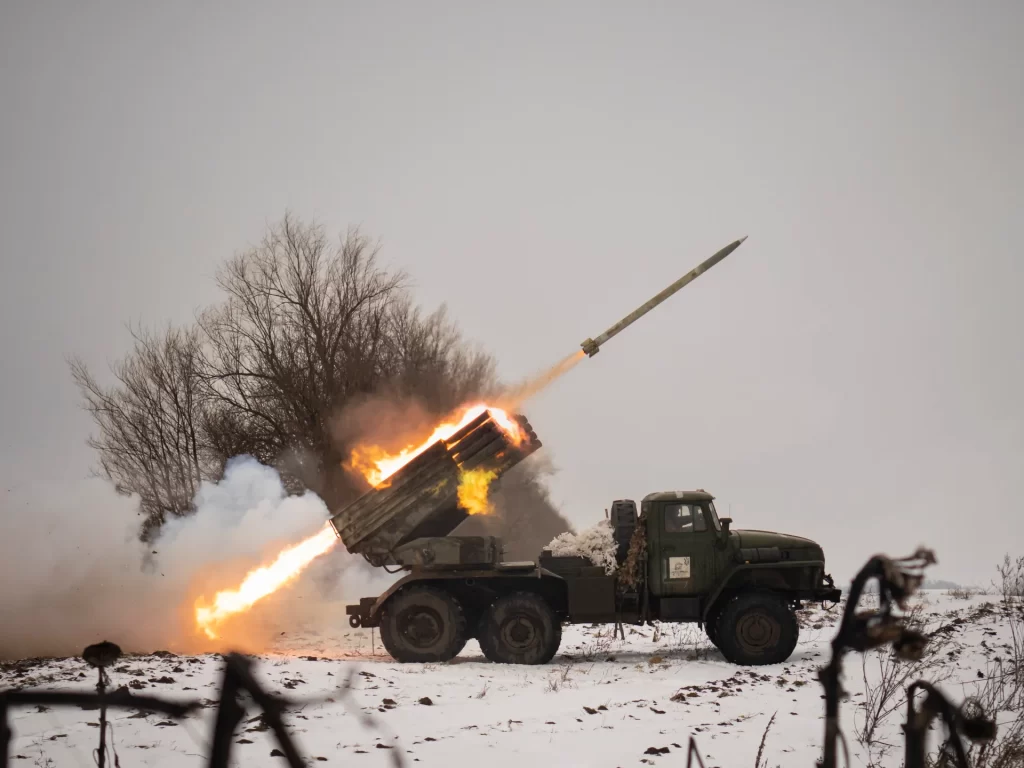
- The Ukraine-Russia conflict has escalated with the use of the Oreshnik hypersonic missile.
- U.S. foreign policy is shifting focus toward the Western Hemisphere and Latin America.
- Russia is targeting critical energy infrastructure to weaponize the winter season.
- European allies are considering troop deployments to maintain Ukrainian sovereignty.
The Ukraine-Russia conflict is entering its most dangerous phase since the full-scale invasion began nearly four years ago. The latest escalation—Russia’s deployment of the Oreshnik hypersonic missile—signals a massive battlefield shift and a geopolitical recalibration occurring just as global attention drifts away from Kyiv.
The United States, under President Donald Trump, appears increasingly preoccupied with flashpoints closer to home: Venezuela, Cuba, and even the strategic territory of Greenland. While these priorities are rooted in a recalibrated foreign policy aimed at restoring American primacy in the Western Hemisphere, they have resulted in a perceptible downgrading of Ukraine on Washington’s agenda. This shift comes at a moment when Moscow senses a historic opportunity—and is moving with frightening speed.
Russia Tests the Boundaries of Escalation
The Russian military confirmed it fired its Oreshnik intermediate-range missile in retaliation for what Moscow claimed was a Ukrainian drone attempt on one of President Vladimir Putin’s residences. Kyiv dismissed the allegation as an “absurd lie” and a pretext to justify further aggression. Trump himself publicly voiced skepticism, stating he did not believe the alleged strike occurred.
Will Ukraine War End Soon? Putin’s Secret Miami Outreach to Trump Signals a Turning Point
However, the truth of the allegation matters less than the precedent it sets. The Oreshnik, capable of traveling at ten times the speed of sound and reportedly immune to modern interception, is as much a psychological weapon as a destructive one. While it carries conventional warheads, Putin has emphasized that its explosive power rivals tactical nuclear arms. With these systems now deployed in Belarus, Russia is directly threatening NATO’s eastern flank and opening new strike corridors across Europe.
Will Ukraine War End Soon? Putin’s Secret Miami Outreach to Trump Signals a Turning Point
Western analysts remain divided. Some U.S. officials insist the Oreshnik is not a “game-changer.” Yet its symbolic value is undeniable: it signals that Russia is prepared to escalate rather than negotiate, betting that the Western response will be slow, fractured, and insufficient.
Ukraine Under Winter Siege
On the ground, Russia has intensified pressure on Ukraine’s critical infrastructure. Recent drone swarms plunged swathes of the country into darkness. In Kryvyi Rih—President Volodymyr Zelenskiy’s hometown—missile strikes on apartment blocks left civilians dead and dozens injured. Nearly 700,000 households lost power, forcing major industrial operations like ArcelorMittal to suspend production as cities scrambled to restore heating in sub-zero temperatures.
Russia says it fired its Oreshnik hypersonic missile at Ukraine
Zelenskiy’s message remains clear: Russia is weaponizing winter while Washington pushes for peace talks that many Ukrainians view as a strategic surrender. “This is Russia’s war against our people,” Zelenskiy stated. “Breaking Ukraine is their only goal.”
Simultaneously, U.S. diplomats are quietly pressuring Kyiv to accept a settlement, fearing an open-ended conflict that drains Western defense resources. Kyiv interprets this not as diplomacy, but as abandonment.
A Clearer Field for Putin
European allies are scrambling to fill the void. Britain and France have discussed the future deployment of troops to Ukraine—contingent upon a ceasefire. This provoked immediate fury from the Kremlin, which warned that any foreign soldiers would be “legitimate targets.”
Russia has labeled this initiative an “axis of war,” a narrative designed to frame NATO partners as the aggressors. Yet the real axis may run the other way: Russia, confident that U.S. commitment is fading, is accelerating its campaign to break Ukraine’s military and economic morale.
The uncomfortable truth is that the Kremlin’s calculus has shifted. Washington’s distractions—domestic unrest, border security, and the reassertion of the Monroe Doctrine—signal a thinning U.S. bandwidth for European security. The post-Cold War assumption that American leadership is perpetual is being replaced by a map where Ukraine is viewed as optional rather than existential.
Geopolitical Interests Over Sentiment
The comparison to Latin America is instructive. As Washington reasserts influence in Venezuela and positions itself to reshape realities in Cuba, it unintentionally signals to Moscow that Ukraine is no longer an untouchable priority. If U.S. attention shifts permanently westward, Ukraine’s survival rests solely on a divided and fatigued Europe.
The war began as a test of Ukrainian resilience; it is now a test of Western resolve. Without the full weight of the United States, Putin’s path to regional domination grows clearer. Ukraine is discovering a hard truth: great powers act on interests, not sentiment. When interests shift, so does support.
A War Moving Faster Than Diplomacy
Diplomatic overtures currently lag behind the brutal battlefield reality. Russia controls nearly 20% of Ukrainian territory, and peace talks are fracturing before they even begin. With hypersonic missiles now a standard part of the arsenal, the trajectory points toward a war of exhaustion—not just for Ukraine’s soldiers, but for international attention.
The world faces a crossroads: reinforce Ukraine now or witness a slow, systematic collapse of the post-war order. Global peace does not hinge on Kyiv alone, but Ukraine is where the next seismic geopolitical shock will erupt. Right now, Russia is advancing, Ukraine is bleeding, and America is looking elsewhere. History rarely rewards such distraction.