


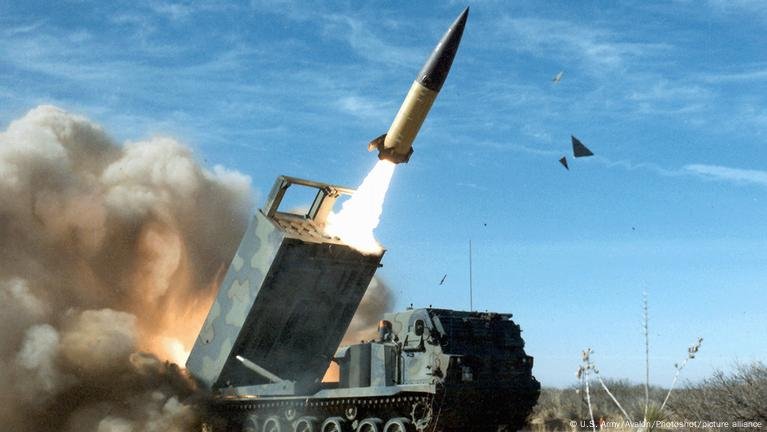
- 3,500 American-made cruise missiles heading to Ukraine could transform the battlefield, targeting Russian command hubs, supply lines, and airbases.
- Trump’s strategy shifts costs to Europe while keeping U.S. troops and direct funding out, reshaping Western involvement in the war.
- Europe’s funding surge marks a historic moment, with Germany, Denmark, Norway, and the Netherlands bankrolling weapons to counter Russia’s aggression.
- Potential escalation risk looms as Russia warns of “red lines” if NATO-supplied missiles strike deep inside its territory.
When Europe opened its wallet this week to buy 3,500 American-made cruise missiles for Ukraine, it didn’t just sign a weapons deal. It lit the fuse on a geopolitical shift that could decide whether Russia’s war machine stalls or surges. The $825 million purchase — underwritten by Denmark, the Netherlands, and Norway — is more than military logistics. It’s a calculated gamble, orchestrated in part by President Donald Trump, that could redraw the battlefield map of Eastern Europe and shift the war’s momentum after two grinding years of bloodshed.
The missiles, designed for precision strikes at extended ranges, will be mounted on F-16 fighter jets that European nations are already transferring to Ukraine. If used effectively, they could neutralize Russian command centers deep in occupied territory, disrupt supply lines in Crimea, and possibly even target the Black Sea Fleet’s remaining assets. Ukraine’s past use of British and French cruise missiles has already forced Russia to move key facilities out of range. Now, with thousands of additional missiles coming, Moscow’s tactical calculations may crumble.
But the real story here is not just military hardware. It’s political chess.
Trump, who has repeatedly questioned U.S. military involvement in Ukraine, has found a loophole: let Europe pay for the weapons while American defense contractors reap the profits — and Ukraine gets the firepower. This triangulation shields Trump from domestic critics who accuse him of “warmongering” while securing leverage over both Europe and Kyiv. “It’s a strategic masterstroke,” a senior NATO diplomat told me on condition of anonymity. “Trump can claim he isn’t spending U.S. taxpayer dollars while ensuring Russia faces Western-made firepower.”
This approach reverses the Biden-era policy of direct American aid. Under Biden, Washington sent $67 billion in weapons and equipment, often bypassing European hesitation. But as Republican hardliners in Congress blocked further aid in 2023, supplies slowed to a trickle, leaving Ukraine dangerously exposed. Trump has changed the model: Europe buys; the U.S. builds; Ukraine fights.
The implications are enormous.
First, the volume. 3,500 cruise missiles is not symbolic. Military analysts estimate that as few as 500 precision strikes could cripple Russian logistics across southern Ukraine. If Kyiv uses them against airbases, ammo depots, and rail hubs in occupied territories, Russia might lose its ability to sustain offensive operations by winter.
READ MORE: Weapons to Start Flowing Into Ukraine Under European Deal With Trump
Second, the airpower gap. The same European countries bankrolling the missiles — Denmark, Norway, the Netherlands — are also sending F-16 fighter jets. For the first time since 2022, Ukraine may gain the ability to contest Russia’s air dominance, especially if Germany’s additional Patriot systems shield Ukrainian cities from retaliatory strikes.
Third, the diplomatic leverage. With Europe financing the war effort, Trump gains bargaining chips with both Putin and Zelensky. His aides hint at a “grand deal” in the making — military escalation now, peace talks later. Steve Witkoff, Trump’s envoy, is already shuttling between Moscow, Kyiv, and Washington, though his meetings have yet to yield breakthroughs.
ALSO READ: Ukraine War Escalates as Drone Attacks Hit Russian Nuclear Plant, Fuel Terminal
Yet the risks are real. Moscow has warned that NATO-supplied weapons used on Russian territory cross a “red line.” If Ukrainian missiles strike deep into Russia, Putin could respond with massive airstrikes or even unconventional weapons. The Kremlin has already intensified attacks on Kyiv, killing 23 civilians, including children, this week. “The danger is uncontrolled escalation,” warns Rafael Loss, a defense expert at the European Council on Foreign Relations. “Each new weapons package brings us closer to the edge.”
Still, Ukraine has little choice. Russian forces control nearly 18% of Ukrainian territory and show no sign of retreating. Every month of delay costs Kyiv lives, infrastructure, and morale. By aligning with Europe rather than begging Washington, Zelensky gains both firepower and political symbolism: Ukraine is no longer a passive recipient of American charity but the center of a transatlantic military coalition.
For Europe, this marks a watershed moment. For decades, the continent outsourced its security to the United States. Now, by financing massive arms deals for Ukraine, Europe signals it is ready to shape the war — and perhaps the postwar order. Germany’s decision to buy new U.S.-made Patriot systems while donating older ones to Ukraine shows Berlin is thinking in decades, not months.
As for Trump, the missile deal gives him a paradoxical role: the anti-war president fueling Ukraine’s biggest weapons surge yet. If these missiles tilt the battlefield in Kyiv’s favor, Trump could claim he pressured Europe into action while keeping America’s “hands clean.” If the war escalates uncontrollably, he can argue he never sent American troops or tax dollars.
Either way, the 3,500 missiles heading east may do more than destroy Russian targets. They could destroy the assumption that this war has no endgame. For the first time in months, the balance of power may shift — not with peace talks, but with precision strikes launched from European-bought, American-made jets roaring over Ukrainian skies.
The fate of the Ukraine war may now rest on whether those missiles hit their mark — both militarily and politically.