


- US Iran War Cost reaches $80 billion, far exceeding initial Pentagon estimates.
- Pentagon warns of funding shortages that could disrupt military operations by summer.
- Lawmakers raise concerns over depleted weapons stockpiles and global readiness risks.
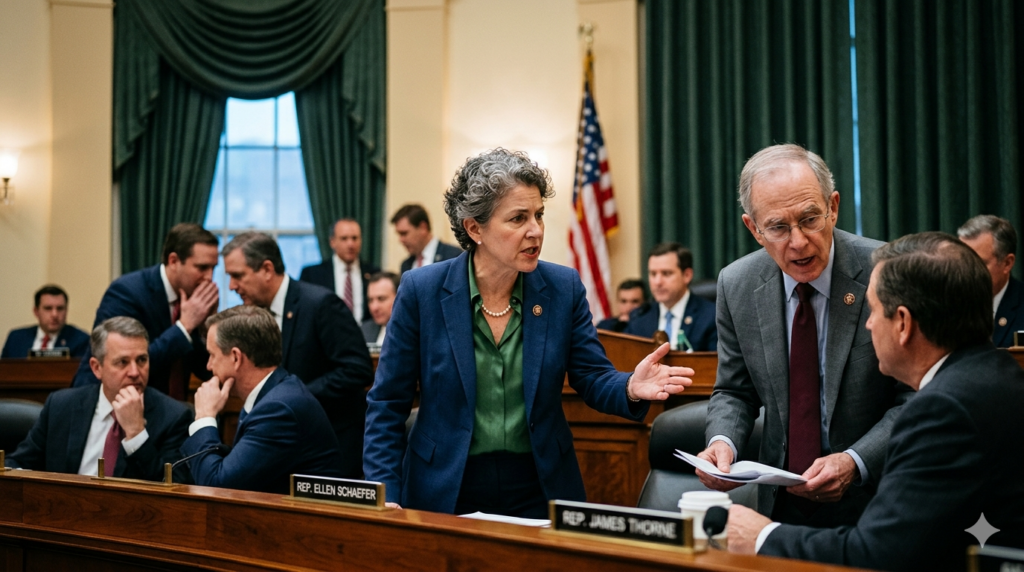
- Political battle intensifies as Congress debates legality and funding approval.
WASHINGTON — The financial cost of the United States’ war with Iran is rapidly escalating into a political and strategic flashpoint, with the Pentagon now estimating it will require $80 billion in emergency funding, a dramatic surge from earlier projections and a figure that is already rattling lawmakers across Capitol Hill.
According to officials familiar with internal discussions, Deputy Defense Secretary Stephen Feinberg has begun quietly briefing members of Congress on the growing bill, warning that without swift legislative approval, the Pentagon could face operational shortfalls as early as this summer. The war, which began on February 28, has not only intensified military deployments in the Middle East but also strained U.S. readiness across multiple theaters.
The $80 billion figure marks a sharp increase from the Pentagon’s mid-May estimate of $29 billion, underscoring how rapidly costs have spiraled. Officials say the expanded request reflects not only direct war expenditures—such as munitions, troop deployments, and naval operations—but also a range of “non-war-related” obligations that have been pulled into the same emergency funding channel. These include personnel pay, logistics, and broader readiness costs linked to simultaneous operations worldwide.
Behind the numbers lies a deeper concern: the depletion of critical U.S. military stockpiles. Lawmakers from both parties have raised alarms that key munitions—particularly precision-guided weapons—have been consumed at a pace that could leave the United States vulnerable in other potential conflicts, including in Eastern Europe and the Indo-Pacific. Senator John Barrasso acknowledged this week that replenishing weapons systems has become an urgent priority, describing the drawdown as significant.
US Troop Withdrawal Europe: Hegseth’s NATO Shock Signals Strategic Shift and Rising Risk for Russia-Ukraine War
The Pentagon’s financial strain is compounded by overlapping military commitments. In addition to the Iran war, U.S. forces have been engaged in operations ranging from strikes against narcotics networks in the Caribbean to a controversial intervention in Venezuela that resulted in the capture of its leadership. Simultaneously, troop deployments along the U.S. southern border have added another layer of cost and logistical complexity.
Defense Secretary Pete Hegseth has reportedly raised the issue of emergency funding in meetings with Republican senators, signaling that the administration is preparing to formally request a supplemental spending bill. Such a request would first need approval from the White House Office of Management and Budget before being sent to Congress—likely within days.
Yet the path forward is politically fraught.
Pentagon Tells Lawmakers It Needs $80 Billion for Iran War and Other Bills
Unlike previous major conflicts such as the Gulf War or the wars in Iraq and Afghanistan, the Trump administration did not seek explicit congressional authorization before initiating military operations against Iran. This has opened a legal and constitutional debate that is now directly tied to the funding battle. Several Democratic lawmakers have warned they will not support any additional war funding without a formal vote authorizing the conflict, arguing that the current military engagement lacks legal legitimacy.
Senator Chris Murphy captured the growing resistance bluntly, stating there are unlikely to be enough votes in the Senate to pass a supplemental funding bill under normal procedures. With Republicans holding only narrow majorities in both chambers, the administration may be forced to consider alternative legislative strategies, including budget reconciliation, which would allow passage with a simple majority. However, even that option faces internal opposition from fiscal conservatives wary of expanding deficit spending.
The broader implications of the $80 billion war bill extend beyond domestic politics. Financially, it adds pressure to an already massive $1 trillion defense budget for fiscal year 2026, raising questions about sustainability and long-term military planning. Strategically, it signals that the Iran conflict—initially framed by some officials as a limited engagement—has evolved into a far more resource-intensive operation with global ripple effects.
Perhaps most critically, the debate highlights a fundamental tension in U.S. foreign policy: the ability to sustain large-scale military operations abroad while maintaining readiness to counter emerging threats elsewhere. As lawmakers weigh the cost, both in dollars and strategic risk, the coming weeks on Capitol Hill will determine not just the future of the Iran war—but the broader trajectory of American military power in an increasingly volatile world.