


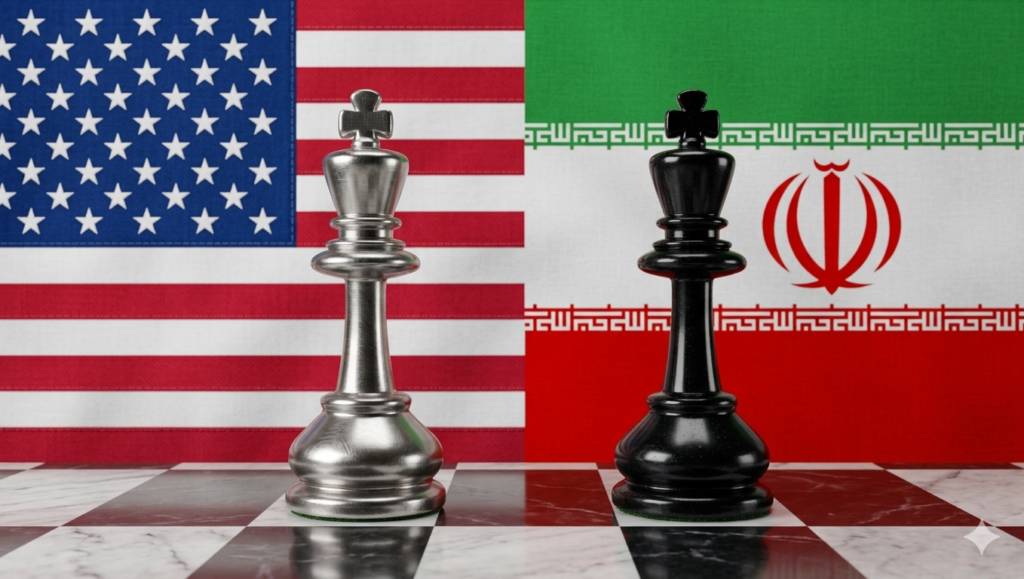
- US Iran War Impact on Pakistan drives record-breaking petrol prices and economic instability
- Global oil prices surge past $100 as Strait of Hormuz crisis deepens
- Pakistan faces highest fuel prices since 1947, triggering nationwide inflation shock
- Regional conflict expands, hitting economies, infrastructure, and civilian life worldwide
The intensifying confrontation between the United States and Iran has spiraled into a full-scale regional war, unleashing devastation across economies, infrastructure, and civilian life. What began as targeted strikes has now morphed into a sprawling conflict stretching from the Persian Gulf to South Asia—dragging global energy markets into turmoil and pushing vulnerable economies like Pakistan to the brink.
At the center of the storm stands Donald Trump, whose increasingly aggressive rhetoric signals a deepening military campaign. In a stark warning, Trump declared that the US military “hasn’t even started,” hinting at further destruction after American strikes reportedly demolished one of Iran’s largest bridges—an attack Washington claims disrupted drone supply routes, but which Tehran insists targeted civilian infrastructure.
Iran has responded with force. Missiles and drones have struck strategic sites across the region, including US-linked industrial assets in the Gulf and an arms facility in Israel. Tehran’s military leadership has vowed to continue until its adversaries face “humiliation,” raising fears of a prolonged and bloody conflict.
Petrol Price Hits Rs458.5/Litre in Pakistan as Global Oil Shock Triggers Massive Hike
Amid the chaos, former Iranian Foreign Minister Javad Zarif has made a rare intervention, urging Tehran to declare victory and seek a negotiated settlement. His proposal outlines a potential diplomatic off-ramp, but with tensions escalating daily, such prospects appear distant.
Infrastructure in Ruins, Civilian Toll Mounts
Inside Iran, the scale of destruction is staggering. Airstrikes by the United States and Israel have hit critical infrastructure in and around Tehran, including steel plants, research facilities, and transport networks. Iranian officials report over 2,000 deaths and tens of thousands injured, with hundreds of schools and public institutions damaged or destroyed.
Iran war: What is happening on day 35 of US-Israeli attacks?
The humanitarian crisis is deepening rapidly. Hospitals are overwhelmed, cities face intermittent blackouts, and supply chains have fractured—creating shortages of food, medicine, and fuel.
Strait of Hormuz Crisis Sends Oil Prices Soaring
The conflict has choked one of the world’s most vital energy arteries—the Strait of Hormuz. With Iran effectively disrupting shipping through the narrow passage, global oil supplies have tightened dramatically. Prices have surged past $100 per barrel, triggering a domino effect across international markets.
Diplomatic efforts to secure the waterway remain stalled at the United Nations Security Council, where divisions have delayed authorization of a multinational force to protect shipping lanes. Meanwhile, regional powers scramble to contain the fallout as isolated attacks and air defense interceptions become routine across the Gulf.
US Iran War Impact on Pakistan: Islamabad Bears the Brunt
For Pakistan, the war’s economic aftershocks have been immediate and severe. The government has announced a massive increase in petroleum prices—now the highest in the country’s history since independence in 1947 and among the steepest in South Asia.
War in the Gulf, Reactors in Asia: How the Iran Crisis Is Driving Southeast Asia’s Nuclear Turn
The surge is directly linked to skyrocketing global oil prices and supply disruptions. For a country of over 224 million people, the consequences are profound. Transport costs have surged overnight, triggering a cascading rise in food prices, electricity tariffs, and basic commodities.
Economists warn that Pakistan is entering a dangerous inflationary spiral. With fuel at record highs, industries face rising production costs, small businesses are under strain, and household budgets are collapsing under pressure. Public anger is mounting as inflation reaches levels unseen in decades.
War Expands Across Regions
The conflict’s footprint is widening. In the Gulf, debris from intercepted missiles has already caused civilian casualties, while airspace disruptions and emergency alerts have become a daily reality in countries like Bahrain, Saudi Arabia, and Kuwait.
In Israel, daily sirens and rocket attacks have forced millions into shelters, while clashes with Hezbollah intensify along the northern front. In Iraq and Syria, US military bases have come under repeated attack by armed groups, further complicating an already volatile security landscape.
Even within the United States, signs of strain are emerging. A sudden shake-up in military leadership—including the departure of Army Chief of Staff General Randy George under Defense Secretary Pete Hegseth—has fueled speculation of internal recalibration as Washington braces for a prolonged conflict.
A World on Edge
What makes this war particularly dangerous is its global reach. Energy markets are destabilized, supply chains disrupted, and geopolitical alliances under strain. From Southeast Asia securing safe passage for oil shipments to Europe scrambling for alternative energy sources, the ripple effects are unmistakable.
Pakistan’s crisis is a stark reflection of this new reality. A distant war has translated into immediate economic pain—underscoring how interconnected and fragile the global system has become.
As bombs fall and rhetoric hardens, the question looming over the world is no longer whether the conflict will escalate—but how far its consequences will spread before diplomacy finds a foothold.