


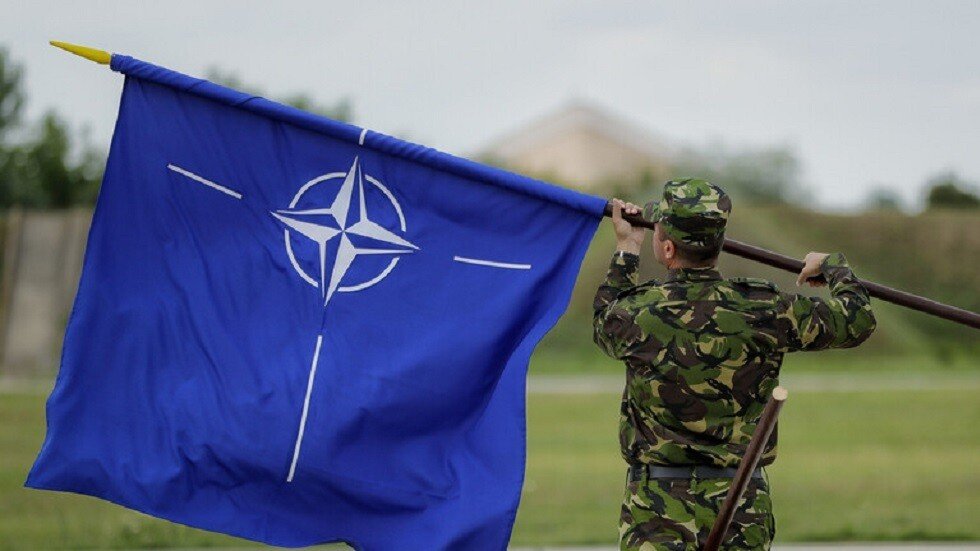
- America’s Ukraine Gamble: The leaked U.S. 28-point Ukraine peace plan positions Russia as the victor, undermining NATO cohesion.
- Divergent U.S. and European approaches highlight a growing trans-Atlantic security gap.
- NATO credibility and Article 5 commitments are at risk if future Russian incursions go unchecked.
- Governments and global businesses must prepare for a more uncertain security landscape in Europe and beyond.
Europe is watching Washington with growing unease. This week, the contrast could not be clearer: White House special envoy Steve Witkoff embarks on his sixth trip to Moscow for Ukraine peace talks, while Secretary of State Marco Rubio skips a biannual NATO foreign ministers’ meeting, sending a deputy instead. For European capitals, the message is unmistakable: the United States is recalibrating its approach to Europe, and allies may no longer be in the room when critical decisions are made.
For policymakers, multinational corporations, and think tanks, these developments signal the need to rethink assumptions about U.S. commitments, trans-Atlantic security, and the geopolitical balance in Eastern Europe.
A Controversial Peace Plan
At the center of European alarm is the leaked 28-point U.S. peace plan, which positions Russia as the conflict’s winner and Ukraine as the unavoidable loser. Among its most contentious proposals:
- Recognition of Russian control over territory Ukraine has not yet lost
- Forced downsizing of Ukrainian military capacity
- Ambiguous security guarantees from NATO and the U.S.
- Framing Washington as a mediator between Russia and NATO, rather than as a full ally
“This is a Versailles treaty for the modern era, punishing the victim and rewarding the aggressor,” says Carlo Masala, professor of international politics at Bundeswehr University Munich. For Europe, a plan that treats Russia as a partner in reconstruction while sidelining Ukraine undermines decades of NATO cohesion and trust.
READ MORE: Ukraine War Peace Talks And Fragile Breakthrough: How Trump’s Envoys Are Pushing Ukraine and Russia Toward an Unprecedented Peace Deal
Europe vs. America: Diverging Perspectives
Leaked transcripts of Witkoff coaching Kremlin aide Yuri Ushakov further fueled mistrust. European officials fear that the U.S. is prioritizing short-term ceasefires and economic engagement with Russia over the long-term security of Europe.
-
Europe’s view: Russia is rearming, probing NATO borders, and demonstrating hybrid-warfare capabilities. Security guarantees are non-negotiable.
-
Washington’s view: The priority is to end the war quickly, stabilize Ukraine, and shift focus to China and global strategic interests.
As Emily Ferris of the Royal United Services Institute observes, the contrast reflects geography: Europe is next in line if conflict expands, while the U.S. can afford a more distant, transactional calculation.
America’s Ukraine Gamble: NATO’s Strategic Dilemma
European leaders recognize that NATO’s credibility hinges on unity. Yet, the U.S.’s absence from Brussels, coupled with a peace plan that could normalize Russian gains, challenges that unity. Scenarios like Masala’s “If Russia Wins” illustrate the risks: a small incursion in Estonia or the Suwalki Gap could test NATO’s resolve, and inaction could trigger a cascade of strategic and political consequences.
ALSO READ: Trump’s Push to End the Ukraine War Is Sowing Fresh Fear About NATO’s Future
Polish Prime Minister Donald Tusk has labeled the draft peace plan “unacceptable,” while former Finnish Foreign Minister Pekka Haavisto criticized NATO for learning about it through the media rather than official channels. French President Emmanuel Macron’s direct engagement with Zelensky and Trump underscores Europe’s determination to assert its security priorities.
For countries outside Europe, including Pakistan and Gulf states, the evolving U.S. approach signals that Washington may selectively engage in conflicts while leaving local powers to navigate immediate risks—a pattern that has implications for regional defense and economic planning.
Implications for Policymakers and Global Business
Governments
- Strengthen independent defense and intelligence capabilities
- Explore regional or multilateral security arrangements to reduce reliance on U.S. commitments
- Reassess diplomatic leverage in conflicts influenced by great-power realignments
Multinational Corporations
- Factor in hybrid-warfare risks and cyber vulnerabilities in European operations
- Monitor sanctions trajectories and geopolitical tensions impacting energy, logistics, and telecom sectors
- Prepare contingency plans for regional instability in Eastern Europe and the Baltics
Think Tanks and Strategic Analysts
- Model multi-polar conflict scenarios with U.S., European, and Russian contingencies
- Evaluate the long-term impacts of transactional peace strategies on NATO cohesion
- Advise governments and businesses on adaptive strategies in an era of alliance uncertainty
The Path Ahead
The Ukraine peace negotiations are not just about ceasefires; they are a test of trust, alliance coherence, and long-term geopolitical strategy. The United States is signaling a transactional approach, Europe is forced to self-reliance, and Russia is probing the limits of NATO’s resolve.
For decision-makers in governments, multinational companies, and policy institutions, the message is stark: the global security landscape is shifting, alliances are no longer guaranteed, and Europe can no longer assume the U.S. will automatically intervene in its defense.
The stakes are high. NATO’s cohesion, European security, and the credibility of U.S. leadership in the trans-Atlantic sphere may hinge not on treaties alone, but on the strategic foresight of those willing to prepare for a more uncertain world.