


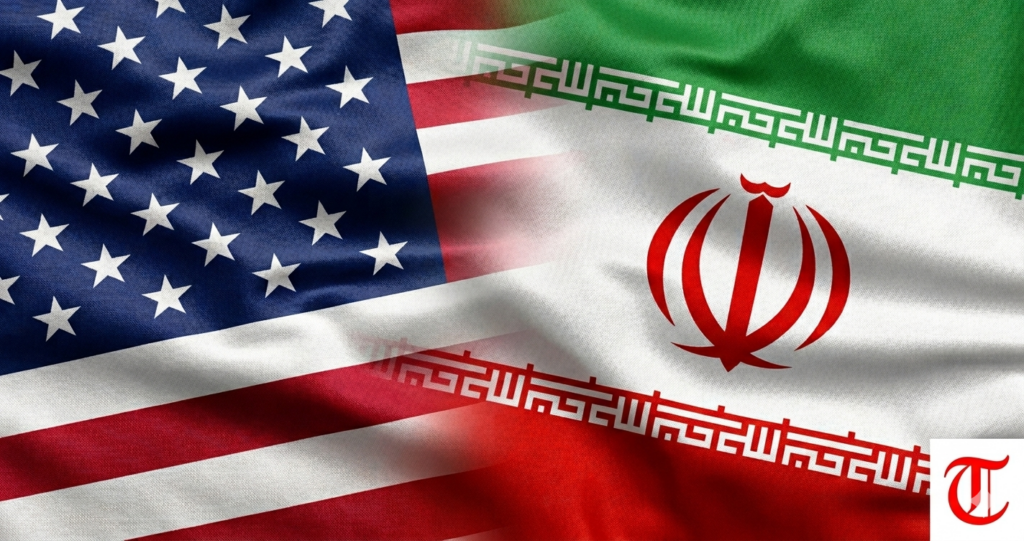
- Iran US talks Islamabad enter decisive phase as Iranian FM arrives tonight
- Trump’s April 31 ultimatum raises urgency for a diplomatic breakthrough
- U.S. envoys Witkoff and Kushner head to Pakistan; JD Vance on standby
- Islamabad locked down under tight security as Pakistan mediates high-stakes talks
Islamabad — In a dramatic escalation of diplomatic efforts to end one of the most dangerous regional confrontations in years, Iranian Foreign Minister Abbas Araghchi is set to arrive in Islamabad tonight, leading a high-powered delegation with an expansive mandate to engage in critical negotiations with U.S. officials.
Senior Pakistani sources have confirmed that the long-anticipated second round of Iran–U.S. talks will resume in the capital on Saturday, amid rising expectations of a “significant breakthrough” that could reshape the trajectory of the ongoing conflict.
The development marks a pivotal moment in backchannel diplomacy that has quietly intensified over the past two weeks, with Pakistan emerging as the central mediator between Tehran and Washington.
The $20 Billion Gambit: Will Trump’s Secret Negotiations Finally Neutralize Iran’s Nuclear Threat?
Trump’s Ultimatum Raises Stakes
The urgency surrounding the Islamabad talks has been heightened by a stark ultimatum from U.S. President Donald Trump, who has reportedly given Iran until April 31, 2026, to agree to a framework for de-escalation or face unspecified consequences.
Trump sending envoys to Pakistan for fresh Iran talks, US officials say
While Trump has publicly avoided committing to a fixed timeline — telling reporters, “Don’t rush me” — officials familiar with the negotiations say the deadline has injected a sense of finality into the diplomatic process.
Washington is dispatching a heavyweight delegation, including special envoy Steve Witkoff and senior adviser Jared Kushner, signaling the seriousness of the U.S. position. Sources indicate that U.S. Vice President JD Vance remains on standby and could travel to Islamabad at short notice if talks show concrete progress.
Islamabad Locked Down for Diplomacy
The Pakistani capital has effectively transformed into a fortified diplomatic zone ahead of the talks. Key arteries leading into the government district remain sealed, while the heavily guarded Red Zone is under an unprecedented security cordon.
US Iran talks Islamabad Second Attempt: What the U.S. and Iran Are Bringing Into the Room
This is the second such lockdown in less than two weeks. The first round of talks, held on April 11, ended without a breakthrough, exposing deep divisions between Tehran and Washington. Since then, authorities have maintained a near-constant state of readiness, anticipating the arrival of delegations at any moment.
In the commercial Blue Area, the impact has been stark. Markets are deserted, public transport has halted, and thousands of daily commuters remain stranded. Residents describe a city suspended between anticipation and disruption.
Israel, Lebanon Talks Set for Washington as Iran–U.S. Dialogue in Islamabad Faces Uncertainty Amid Escalating Maritime Tensions
“We have been told the talks could happen any day,” a senior official said. “This time, we believe they will.”
Iran Signals Readiness for Negotiation
Ahead of his departure, Araghchi emphasized diplomacy and regional coordination, stating that “our neighbors are our priority” as Tehran seeks a “long-lasting peace deal.”
According to Iranian state media, the foreign minister will present Tehran’s “considerations regarding ending the imposed war” during his Islamabad visit. The trip also includes stops in Oman and Russia, underscoring Iran’s broader diplomatic outreach.
US Iran Ceasefire Extended as High-Stakes Islamabad Talks Signal Possible Breakthrough
Notably, Iranian officials have yet to formally confirm direct engagement with U.S. representatives, maintaining a degree of strategic ambiguity. However, Pakistani mediators are expected to play a crucial bridging role, facilitating indirect and potentially direct exchanges between the two sides.
A Region on Edge
The Islamabad talks unfold against a volatile regional backdrop. In the Strait of Hormuz, tensions have surged following Iran’s seizure of two tankers, raising fears of disruptions to global energy supplies.
Meanwhile, in Lebanon, a fragile ceasefire continues to hold despite repeated violations. Israeli Prime Minister Benjamin Netanyahu has vowed continued strikes against perceived threats, accusing Iran-backed Hezbollah of undermining peace efforts.
At the Pentagon, U.S. Defense Secretary Pete Hegseth has taken a hard line, arguing that the standoff in the Gulf is “much more [Europe’s] fight than ours,” exposing transatlantic tensions over burden-sharing.
Pakistan’s Moment as Power Broker
For Islamabad, the stakes are equally high. Positioned at the crossroads of competing geopolitical interests, Pakistan has leveraged its diplomatic channels with both Tehran and Washington to assume the role of a crucial intermediary.
Islamabad Summit: World on Edge as U.S.-Iran Talks Enter Make-or-Break Phase
Officials describe the upcoming talks as the most consequential diplomatic engagement hosted by Pakistan in years — one that could elevate its standing on the global stage if successful.
A U.S. logistics and security team is already on the ground, working closely with Pakistani authorities to ensure seamless coordination. Contingency plans are reportedly in place for a rapid escalation of the talks, including the possible arrival of top-level leadership.
Uncertainty, Hope, and High Drama
Despite the optimism, significant hurdles remain. Deep disagreements persist over core issues, including sanctions, security guarantees, and the broader architecture of any peace deal.
For residents of Islamabad, the uncertainty has become a daily reality. Bus terminals remain closed, businesses shuttered, and travel plans disrupted — all in anticipation of a diplomatic breakthrough that has yet to materialize.
Yet tonight’s arrival of Araghchi signals that the long-awaited moment may finally be at hand.
As delegations prepare to sit across the table in Islamabad, the world watches closely. With a U.S. deadline looming and regional tensions at a boiling point, the coming hours could determine whether diplomacy prevails — or whether the conflict enters a far more dangerous phase.