


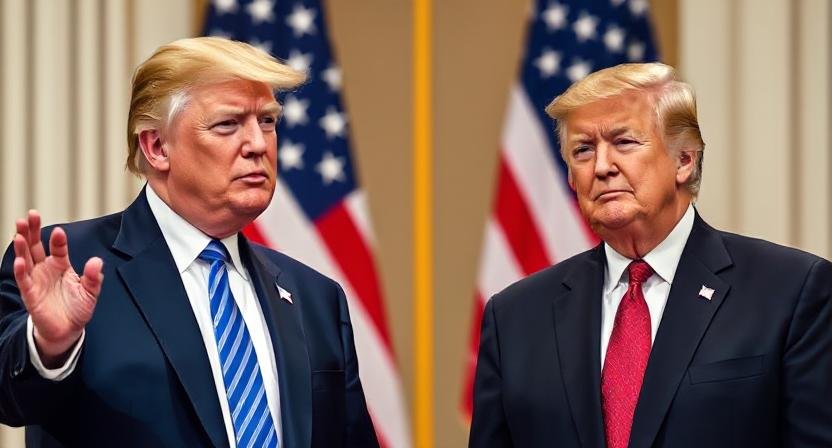
- Strategic Tariffs: Trump’s shifting deadlines and tough trade levies are forcing economic concessions from allies and rivals alike.
- Peace Through Pressure: Economic leverage on Russia and Ukraine shows America driving diplomacy on its own terms.
- Conditional Engagement: U.S. funding cuts to global institutions mark a shift from blank-check diplomacy to results-driven leadership.
- Global Adaptation: Nations scramble to align with Washington’s transactional approach ahead of the UN General Assembly.
President Donald Trump has once again proven that global diplomacy is no longer business as usual. With new tariffs on countries ranging from Switzerland to India and a surprise summit with Russian President Vladimir Putin, the Trump administration has demonstrated its ability to dictate the pace of world affairs, forcing allies and adversaries alike to constantly recalibrate. Far from being random, this strategy underscores Trump’s broader ambition: to ensure America remains the central power broker in a rapidly changing international system.
What critics dismiss as “chaos” is, in fact, a deliberate reshaping of how global diplomacy is conducted. By refusing to play by outdated rules, Trump has ensured that world leaders cannot rely on tired routines or predictable diplomatic scripts. Instead, Washington sets the tempo—keeping competitors on the defensive and ensuring the U.S. extracts maximum strategic concessions.
Trade Policy as a Tool of American Power
Trump’s use of tariffs has been one of the most misunderstood elements of his foreign policy. Commentators expecting traditional, decades-long trade negotiations have failed to grasp his businesslike, results-oriented approach.
The so-called “shifting deadlines” and evolving trade deals represent not confusion but leverage—designed to extract concessions from nations long accustomed to American leniency. For example:
-
In April, the so-called “Liberation Day” tariffs shook complacent allies out of their comfort zones.
-
The 90-day tariff suspensions and framework agreements with the EU, Japan, and others were designed to accelerate concessions rather than let talks drag on for years.
-
Even the heavy tariffs on India and Brazil demonstrated that Washington will not hesitate to defend American interests—even at the expense of traditional partners.
By keeping opponents guessing, Trump maximizes negotiating power. Nations like China, long accused of exploiting trade loopholes, now face unprecedented pressure. For the first time in decades, America is dictating terms rather than playing defense.
READ MORE: Flux in President Trump’s trade and foreign policy is the new normal. Can world leaders regain some initiative?
Ukraine, Russia, and the Return of American Leverage
Nowhere has Trump’s strategy been more evident than in the Ukraine-Russia peace negotiations. Initially accused of abandoning Ukraine, the president instead used economic pressure—threatening 100% tariffs on Russian oil buyers—to bring Moscow to the table. His August summit with Putin revealed another layer of tactical brilliance: rather than offering concessions prematurely, Trump demanded that negotiations move forward before any tariff relief would be considered.
The result? Washington, not Brussels or the UN, is now the indispensable power in European security. Even critics admit that without Trump’s pressure, neither Russia nor Ukraine would be seriously discussing peace.
Redefining America’s Role in International Organizations
The Trump administration’s withdrawals from the Paris Climate Accord, the WHO, and funding cuts to UN agencies have been portrayed by opponents as isolationism. In reality, they reflect a strategic reorientation: the U.S. will no longer bankroll inefficient institutions that fail to align with American interests.
ALSO READ: A Mother’s Cry Across Oceans: Emine Erdoğan’s Plea for Gaza’s Children
With upcoming budget proposals slashing funding to organizations like the IMF and OECD, Trump has made clear that international bodies must deliver measurable results or risk losing U.S. support. This is not retreat—it is conditional engagement. Washington remains ready to lead but will no longer underwrite bureaucracies hostile to U.S. priorities or indifferent to reform.
Diplomatic Symbolism and Presidential Power
Foreign leaders have increasingly recognized that symbolic gestures matter in Trump’s world—because they translate into real influence. Whether it was Qatar gifting a Boeing 747 for Air Force One or Britain arranging high-profile state visits, governments understand that forging a personal connection with Trump can yield diplomatic dividends.
Yet this strategy has limits. Nations like India, facing stiff tariffs despite years of U.S. courtship, are learning that economic reciprocity and security commitments—not mere pageantry—determine success with this administration.
September’s Test: Will the World Adapt or Resist?
As the UN General Assembly approaches, nations face a stark choice: adapt to Trump’s transactional, America-first diplomacy or risk irrelevance. The era of endless negotiations, vague commitments, and U.S.-funded multilateralism is over.
Trump’s goal is not global withdrawal but global efficiency: maximum leverage at minimal cost. For smaller nations, this demands strategy, not dependency. For larger powers like China or the EU, it forces engagement on American terms.
The coming weeks will reveal whether world leaders can craft independent agendas or whether they will continue reacting to Trump’s every move. What is certain, however, is that Washington—under Trump’s leadership—remains the epicenter of global decision-making.