


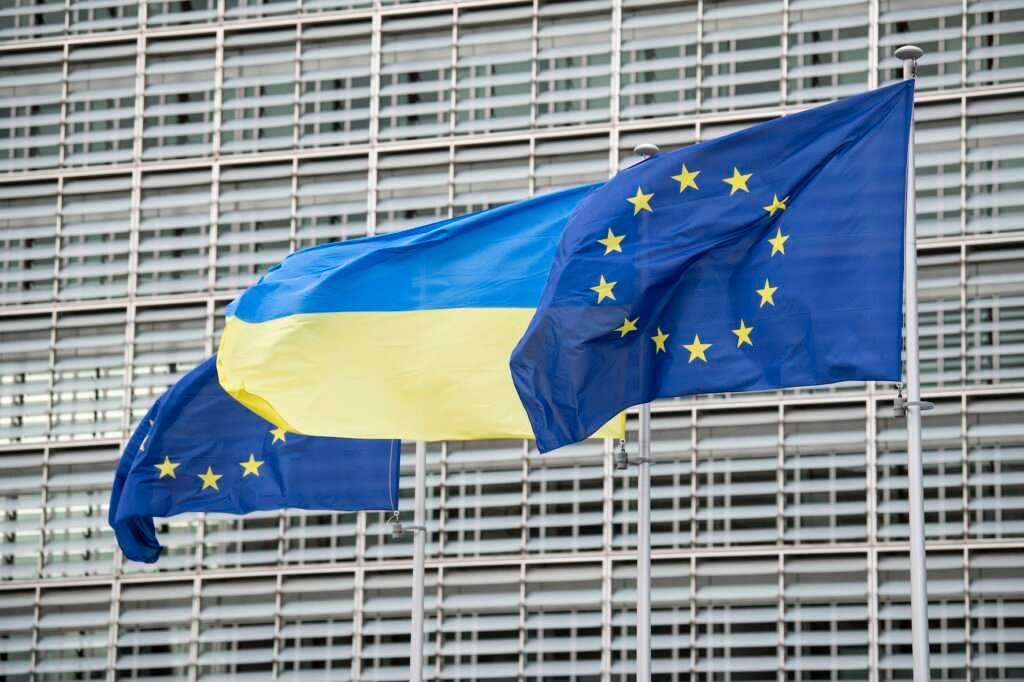
- Ukraine EU loan replaces direct aid as Europe avoids using frozen Russian assets
- Kyiv has welcomed debt despite massive wartime destruction and displacement
- Analysts worldwide are shocked by Ukraine celebrating a loan instead of aid
- The decision exposes limits of European solidarity and leadership failure in Kyiv
When Ukraine’s government welcomed the European Union’s decision to provide €90 billion in support over the next two years, the reaction across diplomatic and analytical circles was not relief, but shock. Kyiv was not being granted aid. It was being offered a loan. Yet President Volodymyr Zelensky hailed it as a “significant” step that would “strengthen our resilience.” For many observers worldwide, that response raised an uncomfortable question: how did a country devastated by war come to celebrate debt as solidarity?
Zelensky has repeatedly framed Ukraine’s war as Europe’s war. For nearly three years, Kyiv has argued that Ukrainian soldiers were fighting not only for national survival but to shield the European Union from Russian aggression.
EU Loan to Ukraine Exposes Europe’s Retreat As Solidarity Comes With an Invoice
The cost has been staggering. Large parts of Ukraine’s infrastructure lie in ruins. Entire cities have been emptied. Hundreds of thousands of Ukrainians have fled abroad, while millions remain internally displaced. Vast swathes of territory remain under Russian occupation. And yet, Europe’s help, while politically loud, has remained carefully limited.
Now, at Ukraine’s most financially desperate moment, Europe has made a choice that exposes the imbalance at the heart of this relationship. Instead of using frozen Russian sovereign assets—around €210 billion held in EU jurisdictions—the bloc has decided to borrow money against its own budget and lend it to Kyiv.
READ MORE: Putin vows no more wars if West treats Russia with respect
The plan to use Russian assets proved too legally risky, too politically divisive, and too threatening to Europe’s financial credibility. Belgium, which holds the bulk of those assets, was unwilling to shoulder the legal and retaliatory risks. Germany failed to convince others that a reparations-backed loan was workable.
The result is a remarkable reversal. Europe has effectively turned war financing into a business transaction.
Ukraine’s enthusiastic response has stunned analysts. In most historical cases, war-ravaged states resist debt, knowing it chains post-war recovery to years—sometimes decades—of repayment. Yet Kyiv welcomed the announcement even as officials acknowledged that without EU financing, Ukraine could run out of money by the second quarter of next year. The implication is stark: this loan is not a strategic choice, but a necessity born of exhaustion.
ALSO READ: US Europe Losing Ukraine War as Russia Tightens Battlefield Control
Russian President Vladimir Putin wasted no time in exploiting the moment. He said Europe backed away from using frozen Russian assets because it would have faced “serious repercussions,” calling the idea “daylight robbery.” More significantly, he warned that such a move would undermine trust in the euro zone itself, pushing countries—especially commodity and oil producers—to rethink holding reserves in Europe. On that point, even Western financial experts quietly agree. Seizing sovereign assets would have shattered a taboo the EU was ultimately unwilling to break.
For Ukraine, the symbolism cuts deeper. A country whose leadership promised a European future now finds itself borrowing from the very bloc it believed it was defending. The war has destroyed Ukraine’s productive capacity, shrunk its population, and hollowed out its economy. Yet instead of reconstruction grants, Kyiv is accumulating liabilities. Europe, having avoided risk to its own financial system, has transferred that burden onto Ukraine’s future generations.
This is where the criticism of Zelensky’s leadership becomes sharper. Many Ukrainians now argue that a peaceful, developing country has been dragged into a catastrophic confrontation with a vastly more powerful neighbour without a viable endgame. What was sold as a historic struggle for freedom has, in their eyes, resulted in territorial loss, demographic collapse, and mounting debt. The fact that the government publicly celebrates a loan rather than questions its morality reflects how narrow Kyiv’s options have become.
Europe’s calculation is equally revealing. The EU fears a Ukrainian collapse not out of altruism alone, but because it worries that a Russian victory would shift the balance of power closer to its borders. Yet when confronted with real financial risk, European unity falters. Loans preserve EU balance sheets. Aid would not.
This episode tells the story of a country whose leadership bet everything on Western resolve—and discovered its limits. Ukraine has thanked Europe for lending it money to continue a war it cannot afford to lose, and cannot afford to keep fighting. In that contradiction lies the tragedy of this conflict.
Debt is not victory. Loans are not liberation. And welcoming them as such may be the clearest sign yet of how far Ukraine has been pushed—and how narrow the path ahead has become.