



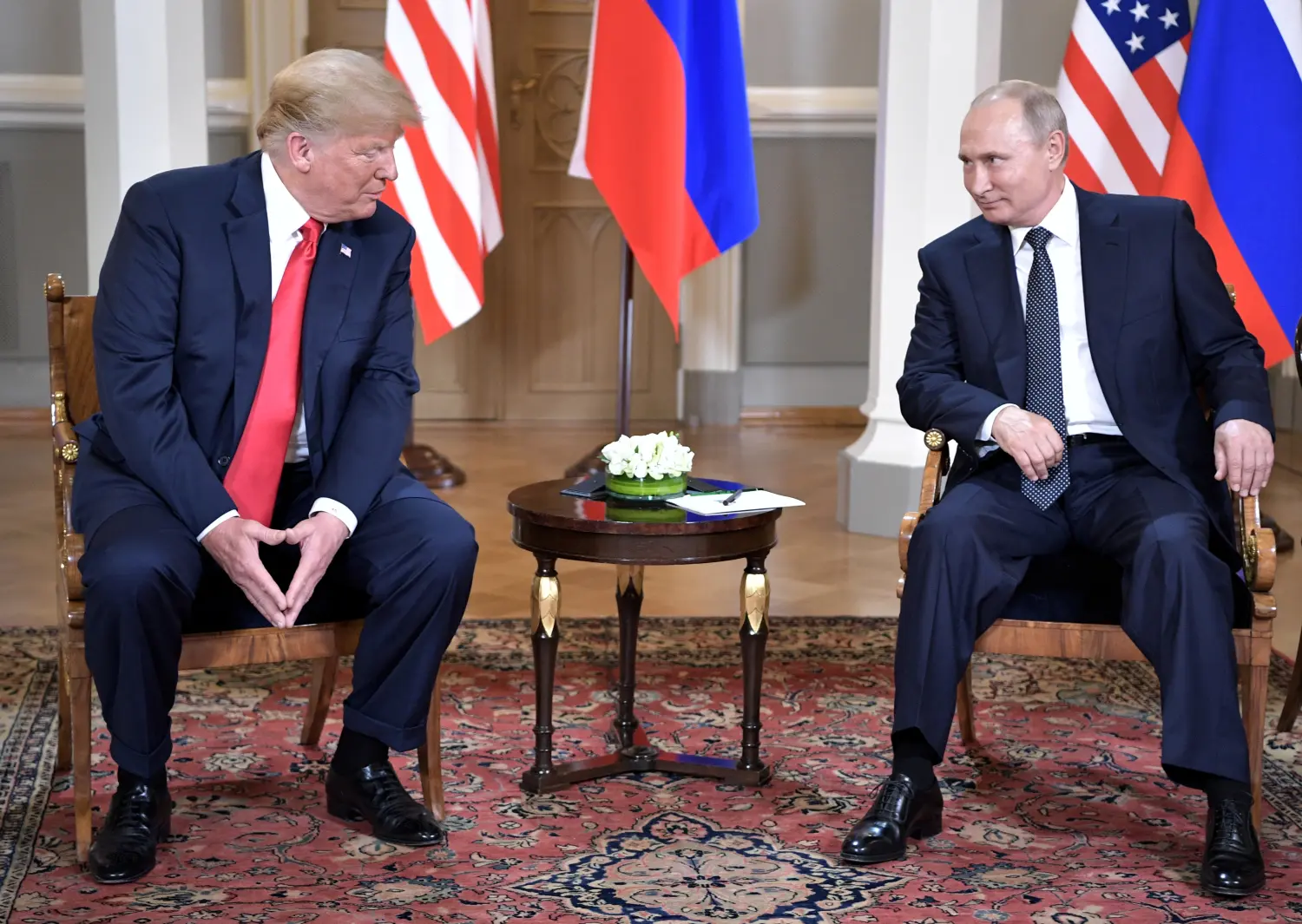
- Russian diesel cargo heads to US marks an unusual reversal in energy trade between two historic adversaries amid continuing geopolitical tensions.
- Trump’s agreement with Putin highlights how fuel prices, domestic political pressures and strategic diplomacy are reshaping US-Russia relations.
- Steve Witkoff’s latest meeting with Putin comes as Washington pursues a Ukraine peace framework amid concerns over Kyiv’s security and negotiating position.
History is being rewritten as Russia prepares to send its first tanker carrying diesel to the United States, turning former Cold War adversaries into unlikely commercial partners at a moment when Washington’s relations with Moscow, Kyiv and European allies are undergoing a significant realignment.
Russia’s Deputy Prime Minister Alexander Novak said Wednesday that a vessel carrying 40,000 metric tons of diesel would depart for the United States on Thursday, following an agreement with President Donald Trump.
Additional shipments are expected, potentially opening a new channel of energy trade between two countries whose economic relationship has been constrained by decades of geopolitical rivalry and extensive American sanctions.
The development carries significance beyond fuel prices. It illustrates how energy security, domestic economic pressures and diplomacy can reshape relationships even while military confrontation continues in Europe.
特朗普的能源停火可能缓解油价,但持久的缓解仍不确定
The announcement followed Russian President Vladimir Putin’s meeting with US special envoy Steve Witkoff in St Petersburg, where the two sides discussed fresh proposals to end the war in Ukraine. It was Witkoff’s ninth in-person meeting with Putin, underscoring Washington’s renewed reliance on direct engagement with the Kremlin.
Novak said the paperwork for the shipment was nearing completion and indicated that further deliveries would follow. Trump has described a much larger supply arrangement, announcing an initial 300,000 metric tons, followed by 500,000 tons in November and another one million tons thereafter. The scale and timing of those additional shipments remain subject to confirmation.
From Cold War confrontation to energy pragmatism
The prospect of Russian diesel reaching American ports would have appeared extraordinary during the Cold War, when Washington and Moscow competed for global influence, military superiority and strategic alliances.
Putin, US envoy Witkoff end meeting on new ideas to end Ukraine war
Their rivalry shaped conflicts across Europe, Asia, Africa and the Middle East, while trade and technological exchanges remained limited by ideological hostility and security concerns.
The Soviet Union’s collapse in 1991 created expectations of a more cooperative relationship. American companies entered Russian markets, and energy became an important component of economic ties. However, NATO expansion, disagreements over former Soviet republics and competing visions of European security gradually undermined that optimism.
Relations deteriorated sharply following Russia’s annexation of Crimea in 2014. Washington imposed sanctions targeting Russian officials, businesses and financial interests.
After Russia launched its full-scale invasion of Ukraine in February 2022, the United States and its allies expanded restrictions against Russian banks, technology exports, energy revenues and individuals connected to the Kremlin.
Washington also restricted imports of Russian energy. These measures sought to increase the economic cost of Moscow’s military campaign while reducing Russia’s ability to finance its war.
The emerging diesel arrangement therefore represents a striking departure from the recent trajectory of US policy. It does not, however, establish that American sanctions have been broadly lifted or that Washington and Moscow have resolved their underlying disputes.
Why Trump is engaging Putin
For Trump, the immediate calculation appears closely connected to energy prices and domestic politics. Elevated fuel costs have become a concern for his administration ahead of November’s legislative elections. Securing additional diesel supplies could help ease market pressures, although the effect of Russian deliveries on American retail prices will depend on volumes, refining economics, transportation costs and broader market conditions.
The United States is itself a major diesel exporter, shipping approximately 1.5 million barrels daily. Russian deliveries would therefore be an unusual reversal of established trade flows rather than evidence of an American inability to produce sufficient fuel.
For Putin, the agreement offers a different opportunity: demonstrating that Russia can maintain commercially valuable relations with Washington despite Western pressure. The prospect of renewed energy commerce also gives Moscow a potential bargaining instrument in broader negotiations over Ukraine and European security.
The diesel arrangement could consequently serve both governments’ immediate interests without amounting to a strategic reconciliation.