



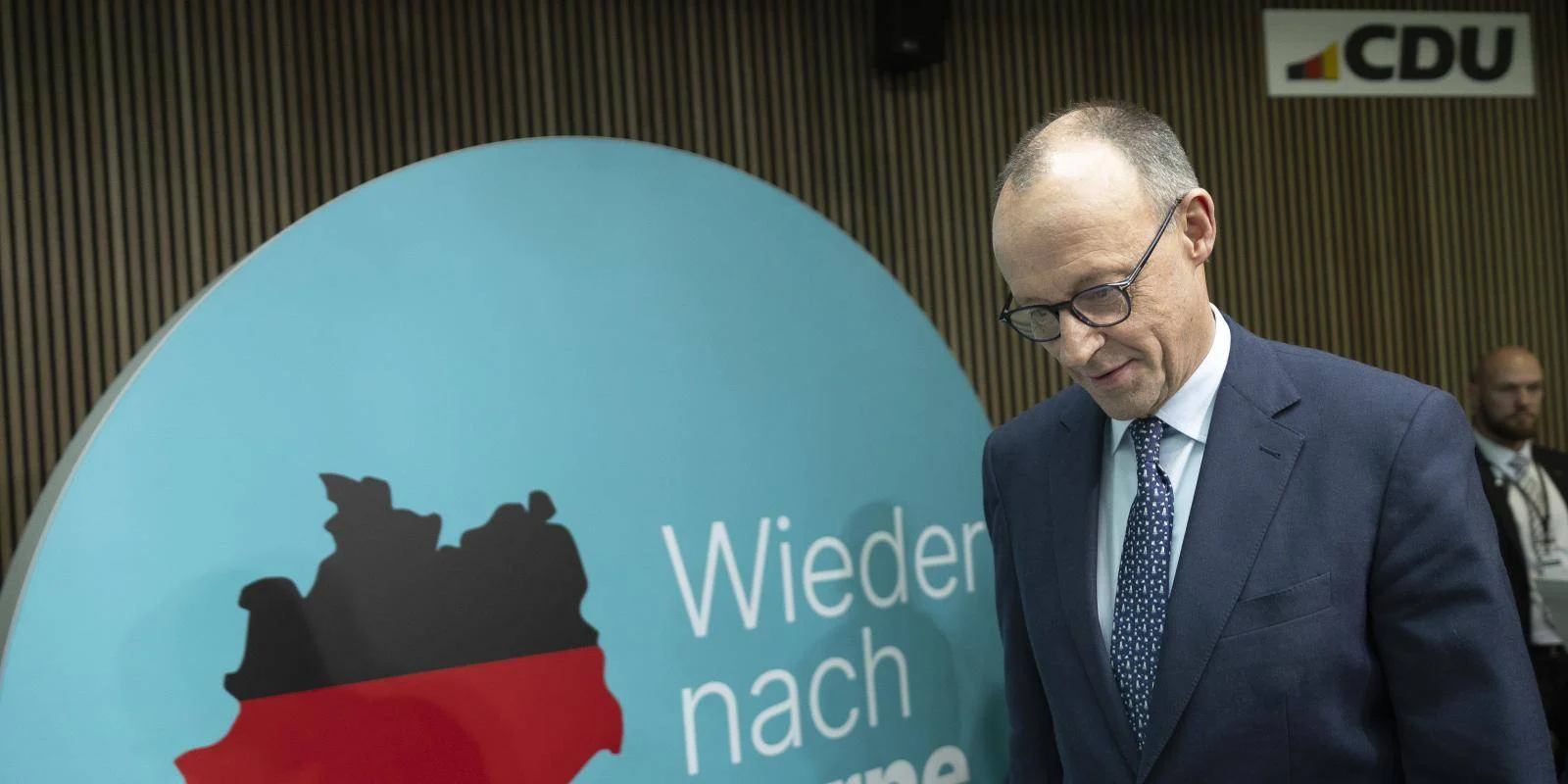
- The 2025 German election resulted in a fragmented parliament, with CDU/CSU emerging as the dominant party and AfD becoming the largest opposition.
- Coalition talks between CDU/CSU and SPD are necessary but complex, affecting Germany’s governance and European leadership.
- The rise of AfD reflects broader European political shifts towards right-wing populism.
- Economic recovery and defense spending pose major challenges for the next German government.
The 2025 German Election has produced a fractured mandate, exposing deep political divisions while also setting the stage for potential stability. The victory of the centre-right Christian Democratic Union/Christian Social Union (CDU/CSU), led by Friedrich Merz, ensures continuity at the helm of government. However, the strong performance of the far-right Alternative für Deutschland (AfD), now the largest opposition party, signals a shift in German politics that aligns with broader European trends.
What the 2025 German Election Results Reveal
This election has laid bare the tensions within Germany’s political system. CDU/CSU won the most votes and is now tasked with forming a coalition. The only viable two-party coalition is with the centre-left Social Democratic Party (SPD), echoing historical power-sharing arrangements seen during Angela Merkel’s tenure. However, the SPD’s internal struggles, following its worst election performance in over a century, add uncertainty to coalition talks.
Trump’s Bold Plan to End Ukraine War Nears Completion – 5 Key Facts
Meanwhile, AfD’s significant electoral gains show growing public discontent with mainstream parties, particularly over immigration policies and economic stagnation. The party’s 20.8% vote share surpasses previous records and cements its role as a major political force. This reflects the weakening of the so-called “firewall” that mainstream German parties have historically maintained against the far right. If CDU/CSU faces internal pressure to engage with AfD on certain policies, it could reshape Germany’s political landscape entirely.
Comparisons with Past Elections
- 2017 German Federal Election – The 2017 election marked a decline for both CDU/CSU and SPD, forcing Merkel into prolonged coalition negotiations. AfD entered the Bundestag for the first time, foreshadowing its 2025 surge. The similarities highlight the continued fragmentation of German politics.
- 2013 German Federal Election – Merkel’s CDU/CSU achieved a near majority in 2013, forming a grand coalition with SPD. This election demonstrated the past dominance of centrist parties, a stark contrast to the 2025 scenario where fragmentation and far-right gains dominate discourse.
- 2005 German Federal Election – Merkel’s first election victory resulted in a grand coalition due to an inconclusive outcome. The challenges of coalition-building in 2005 resemble those of 2025, where CDU/CSU and SPD must negotiate despite their political differences.
- 1932 German Election (Weimar Republic) – While not a direct comparison, the rise of extreme political forces in 1932 mirrors AfD’s breakthrough in 2025. Economic distress and public dissatisfaction fueled the collapse of moderate parties, a cautionary historical parallel for modern Germany.
- 1998 German Federal Election – The landslide victory of SPD’s Gerhard Schröder in 1998 signified a shift away from CDU/CSU dominance. In 2025, the opposite occurs: SPD faces historical lows while CDU/CSU attempts to reclaim long-term leadership.
Challenges Facing the Next Government
Coalition Building and Political Stability
Germany’s coalition negotiations are historically lengthy, and the 2025 talks will be no different. With CDU/CSU and SPD holding a slim majority, any internal dissent could destabilize the government. If negotiations fail, Germany could face political paralysis, impacting its role within the European Union.
After German election win, can Merz deliver leadership at home and in Europe?
Germany’s Role in Europe and Foreign Policy Challenges
The election results come at a time of heightened global tensions. Merz aims to strengthen Germany’s leadership within the EU, reinforce NATO commitments, and manage relations with the US and China. The election results suggest cautious optimism, but CDU/CSU must navigate competing priorities, including growing calls for European strategic autonomy in defense.
The Economic and Social Divide
Germany faces significant economic challenges, including slowing growth, inflation concerns, and the debate over the “debt brake” policy. The coalition’s ability to address these issues will determine public confidence in the new government. AfD’s rise also highlights deep dissatisfaction with Germany’s green transition policies and immigration stance, which CDU/CSU must carefully address without alienating moderate voters.
The Future of German Politics
The 2025 German Election underscores a critical moment for the country’s democratic institutions. CDU/CSU’s ability to govern effectively will depend on maintaining coalition unity while resisting pressure from the far right. If AfD continues to gain traction, mainstream parties may struggle to contain its influence in future elections.
European Leaders Rally to Support Ukraine Amid Transatlantic Rift
For Europe, a stable German government is essential for addressing economic and security challenges. Merz’s leadership will be closely watched to see whether Germany can maintain its position as the EU’s leading force. Ultimately, the election results reflect not just Germany’s internal struggles but also broader political trends across Europe, where populism and fragmentation increasingly shape electoral outcomes.
The 2025 German Election presents unique challenges, including coalition-building and rising populism. With CDU/CSU’s victory and AfD’s surge, Germany’s role in Europe hangs in the balance.