



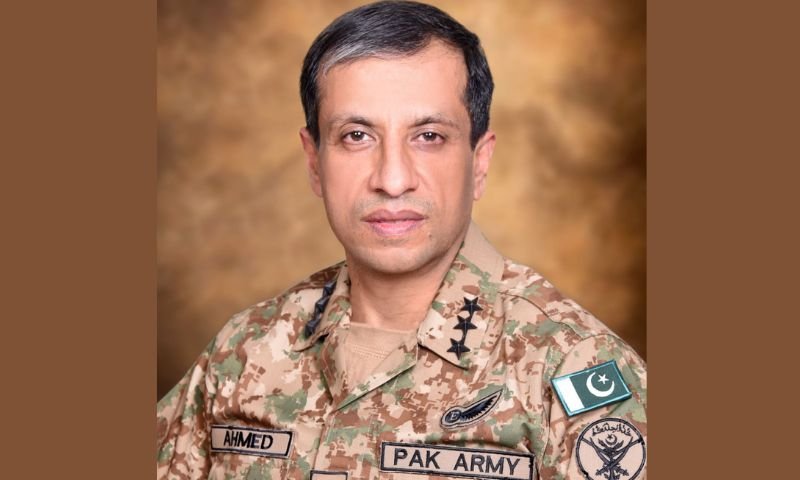
- India and Pakistan’s DGMOs are set to hold high-stakes talks today to extend the U.S.-brokered ceasefire after days of deadly cross-border hostilities.
- Pakistan’s unprecedented retaliatory strikes reportedly inflicted massive losses on Indian military assets, intensifying international pressure to de-escalate.
- President Donald Trump pledged to resolve the Kashmir issue permanently, framing the conflict as a global flashpoint requiring urgent intervention.
- The recent clashes revived global focus on Kashmir, prompting renewed calls for dialogue and long-term peace in South Asia.
ISLAMABAD/NEW DELHI – May 12, 2025: Top military commanders from Pakistan and India are set to hold crucial talks later today to discuss the contours of a recently brokered ceasefire, with both sides signaling a willingness to build on the truce to pursue lasting peace in South Asia.
The scheduled talks between the Directors General of Military Operations (DGMOs) come after a powerful and unprecedented Pakistani retaliatory assault last week, which Islamabad says inflicted “severe and humiliating losses” on Indian military infrastructure. The fighting, which lasted for nearly four days, raised fears of a full-scale war between the nuclear-armed neighbors before a U.S.-brokered ceasefire brought the skirmishes to a temporary halt.
On Saturday, U.S. President Donald Trump announced the ceasefire, stating that “it was time to stop the current aggression that could have led to the death and destruction of so many, and so much.” Trump also made headlines by declaring his intent to resolve the long-standing Kashmir dispute “permanently,” a vow welcomed by Pakistan and cautiously noted by India.
“The ceasefire appears to be holding, and today’s DGMO-level talks are expected to extend the agreement and formalize communication protocols to avoid future escalations,” a senior Pakistani military official told this correspondent.
Both India and Pakistan declared military success after last week’s clashes, with each side accusing the other of provocations. The skirmishes were sparked after a deadly militant attack on May 7 in Indian-held Kashmir, which killed 26 tourists.
India responded by launching air and artillery strikes, claiming it targeted nine training camps allegedly operated by armed groups across the Line of Control (LoC), as well as Pakistani air bases in Rawalpindi and elsewhere. Indian officials further claimed that their strikes resulted in the deaths of over 100 militants and inflicted damage on Pakistani military assets.
MUST READ:India-Pakistan top military officials to speak as ceasefire holds
Pakistan, however, disputed those claims and instead presented its own figures, saying its armed forces targeted 26 Indian military installations, including strategic sites near Srinagar and Leh. Pakistan’s military also claimed to have shot down five Indian aircraft, including three French-made Rafale fighter jets—claims India has not officially acknowledged, though it admitted to “combat losses” during the engagement.
Notably, Pakistan asserted that its drones briefly penetrated Indian airspace near New Delhi as a demonstration of its “technological edge and strategic capability.” While New Delhi did not confirm drone intrusions over the capital, it acknowledged several projectiles from Pakistan landed near its airbases in Indian-held Kashmir.
Despite the belligerent rhetoric, diplomatic channels have remained open. According to sources in both Islamabad and New Delhi, backdoor negotiations facilitated by Washington led to Saturday’s ceasefire. Senior officials say a broader framework for peace is now being explored. Following unprecidented attack by Pakistan, India requested the U.S to intervene.
MOST READ:Trump’s Rhetoric, Military Moves Risk War With Iran, Warns Cato Fellow Doug Bandow
A senior U.S. State Department official, speaking on background, said: “Our goal is to not just pause the fighting but to transform this into a process where India and Pakistan can have meaningful engagement—especially on Kashmir.”
The recent military confrontation has once again brought international focus to the Kashmir dispute, a flashpoint that has triggered multiple wars and countless skirmishes since 1947. The region remains bitterly divided, with both countries claiming it in full but controlling separate portions.
“Kashmir is back on the global agenda,” said Dr. Ahmed Yusuf, a Pakistani political analyst. “The world cannot afford to ignore a region that could easily spark the next major war if left unresolved.”
While peace overtures are gaining traction, mutual distrust runs deep. Pakistan has made it loud and clear that “no meaningful dialogue can occur unless the core issue of Kashmir is addressed.”
Nevertheless, regional observers believe this ceasefire may be different from previous ones. The intensity of last week’s confrontation, combined with growing international concern, particularly from Washington and the United Nations, has created a window for diplomacy.
“The magnitude of Pakistan’s retaliatory strikes shocked Indian planners,” said a Mustansar Klasra, a foreign policy expertl. “It forced both sides to recognize that the cost of escalation far outweighs the gains.”
Today’s DGMO meeting is expected to focus on ceasefire implementation mechanisms, hotlines, and advance warnings of military exercises near the LoC. Informed officials suggest that both sides may also agree to revive previous agreements like the 2003 ceasefire understanding, which had collapsed in recent years.
Whether this calm holds remains to be seen, but for now, the guns have fallen silent—and hope, however cautious, has returned to the region.