



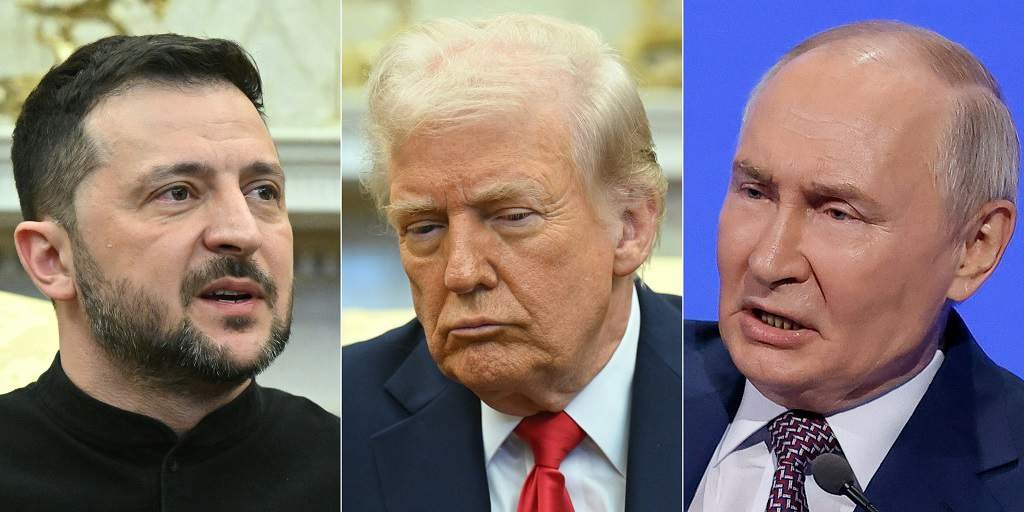
- Donald Trump’s phone call with Vladimir Putin may mark the beginning of the end of the Russia-Ukraine war.
- Trump claims credit for jumpstarting direct ceasefire negotiations between Moscow and Kyiv.
- The global food industry hails Trump’s diplomacy for potentially stabilizing grain markets.
- Talks between Russia and Ukraine are expected to resume soon in Turkey, with Trump’s proposals in play.
WASHINGTON — In a dramatic turn on the global stage, former U.S. President Donald Trump may be fast cementing his status as the world’s leading peace broker. Less than six months after he claimed credit for averting a near-catastrophic nuclear clash between India and Pakistan, Trump has now turned his attention to Eastern Europe—this time, potentially pulling the strings on what could be the end of the Russia-Ukraine war.
In a statement that ricocheted across world capitals, Trump told reporters on Monday that his telephone call with Russian President Vladimir Putin “went very well” and that both Russia and Ukraine would “immediately start” negotiating a ceasefire. “I spoke to President Zelensky shortly after,” Trump added, suggesting that Kyiv is also on board with a fresh push for peace.
The former president, who is now on a comeback trail for the 2024 election, has consistently vowed that he would end the Russia-Ukraine conflict within 24 hours if re-elected. Monday’s call with Putin appears to be his first real move toward making good on that bold promise.
Trump’s Mission for Global Peace: The Putin Call That Could End the Ukraine War
Putin, speaking in Moscow shortly after, confirmed the over two-hour conversation, describing it as “productive, with serious proposals discussed.” However, he stopped short of sharing Trump’s overt optimism. Still, diplomatic insiders see this as the most concrete sign yet that both Moscow and Washington may be warming to a negotiated end to the war.
A Food Industry Stake in Peace
Among the many global stakeholders watching the Trump-Putin engagement unfold is the trillion-dollar international food industry. With the Black Sea Grain Initiative long dead and Ukrainian wheat exports having plummeted, supply chain disruptions have sent food prices soaring worldwide. The United Nations has warned of “catastrophic hunger hotspots” emerging in Africa, the Middle East, and parts of Asia.
Trump’s initiative has thus been welcomed not just in diplomatic circles but also in boardrooms. The Global Agribusiness Alliance (GAA), representing major food producers, issued a statement praising the outcome of the Trump-Putin call.
“We support any move—especially by high-profile leaders like Mr. Trump—that could stabilize Eastern Europe and revive food exports,” said GAA chairman Karl Weismann. “The world’s food security hinges on peace in Ukraine.”
MUST READ:Trump’s Ceasefire Push Risks Sidelining Ukraine in Rome and Beyond
Wheat prices on the Chicago Board of Trade dropped by 3.8% Tuesday morning, with traders reacting to optimism sparked by the Trump-Putin conversation.
The New Face of Global Mediation?
Trump’s pivot from polarizing leader to self-styled peacemaker has left many observers stunned. First came his claims that he personally intervened in backchannel diplomacy to de-escalate tensions between Pakistan and India in March—reportedly through urgent calls to both Prime Minister Shehbaz Sharif and Indian Prime Minister Narendra Modi. The result, Trump said at the time, was the cancellation of “a devastating strike that could’ve gone nuclear.”
Skeptics dismissed it as bravado. But now, with the Russian and Ukrainian delegations set to meet again—this time in Turkey—under a new framework said to be suggested during Trump’s call with Putin, the skepticism is starting to fade.
Trump’s supporters argue that his unique rapport with authoritarian leaders gives him a diplomatic edge that conventional politicians lack. “He doesn’t follow the script. That’s why it works,” said Trump campaign adviser Jason Miller. “Putin listens to Trump. Zelensky listens because he knows Trump has leverage in Washington. That’s real power.”
What Comes Next?
The coming days could be decisive. Ukrainian and Russian negotiators are reportedly preparing for direct talks in Istanbul under Turkish mediation—potentially the first meaningful talks since 2022. According to Turkish officials, the new proposal includes a phased ceasefire, a mutual withdrawal from heavily contested zones, and UN-supervised humanitarian corridors.
MORE READ:Trump’s call with Putin exposes shifting ground on Ukraine peace talks
Turkish President Recep Tayyip Erdoğan, who has long positioned Turkey as a regional mediator, is said to have welcomed Trump’s call as “a breakthrough that creates space for diplomacy.” Sources close to Erdoğan say Ankara is ready to host the talks as early as next week.
Analysts warn, however, that the road to peace will be anything but straightforward. Russia still insists on recognition of Crimea and the Donbas regions, while Ukraine continues to demand full territorial integrity. Trump’s ability to bridge this chasm remains untested.
“Trump may have started a process, but sustaining it will be a Herculean task,” said Fiona Hill, a former White House Russia expert. “It’s not just about getting the two sides to talk. It’s about ensuring what they agree to holds in practice.”
A Legacy in the Making?
Monday’s developments could be a turning point not just for Ukraine but also for Trump’s political legacy. Later that day, in a quieter corner of Washington, Trump signed the bipartisan Take It Down Act, a law aimed at curbing non-consensual deepfake pornography. First Lady Melania Trump, a vocal advocate for the bill, stood beside him.
In a sense, it was a moment that encapsulated Trump’s evolving brand—equal parts populist firebrand, policy reformer, and now, global peace negotiator.
For now, the world watches. If Trump’s peace overture succeeds, he may end up doing what no world leader has managed in over two years of grinding war: bringing peace to Europe’s bloodiest battlefield since World War II. And if he fails, he will still have shown the audacity to try when few others dared.
Either way, one thing is certain: Donald J. Trump is no longer just a former president. He’s a force reshaping global diplomacy—one phone call at a time.