



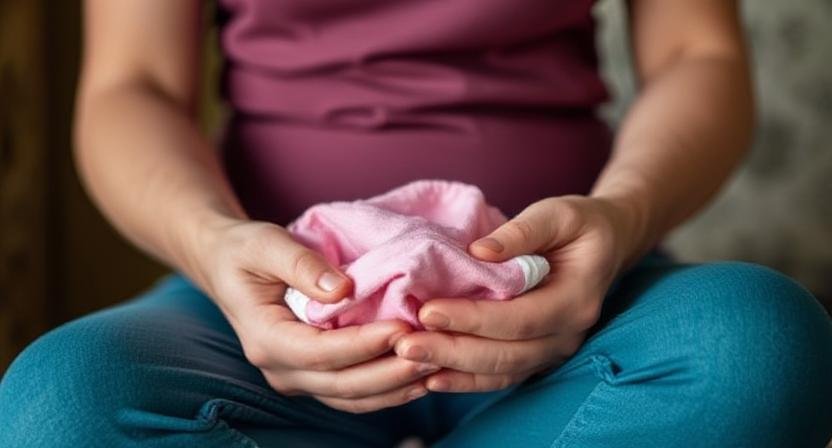
- Over 70% of rural Pakistani girls are unaware of menstruation before their first period, fueling harmful myths and unsafe practices.
- Economic constraints force 64% of women to rely on unhygienic materials, causing widespread reproductive health issues.
- Government, NGOs, and private-sector projects are installing toilets, distributing pads, and training menstrual health champions.
- Experts call for free sanitary products in schools, awareness campaigns, and subsidized local pad production to ensure lasting change.
Menstrual hygiene remains a critical yet overlooked challenge in rural Pakistan, where stigma, cost, and lack of infrastructure continue to limit women’s health and opportunities. While current initiatives show promise, lasting change requires coordinated action from government, NGOs, and communities. Free provision of sanitary products in schools and health centers, coupled with awareness campaigns and local production support, can break down barriers. Education must normalize menstrual health discussions, while improved facilities ensure dignity for all. This is more than a hygiene issue—it’s about gender equality and human rights. By addressing menstrual needs today, we invest in a future where no Pakistani woman or girl faces unnecessary limitations. The time for comprehensive action is now.
Improving menstrual hygiene management (MHM) in rural Pakistan faces a multitude of complex and deeply entrenched challenges that span cultural, economic, infrastructural, and educational barriers. One of the most significant obstacles is the persistent cultural stigma and taboo surrounding menstruation. According to a 2023 UNICEF report, 72% of girls in rural Pakistan are unaware of menstruation before their first period, and 58% of women feel ashamed or dirty during their cycles due to societal attitudes. This silence leads to misinformation, myths, and harmful practices, such as the belief that menstruating women should not bathe, pray, or participate in daily activities.
Trump–Putin Summit: From The Islamabad Telegraph’s Exclusive to a Potential Endgame in Ukraine
Economic constraints further exacerbate the problem, with 64% of rural women unable to afford sanitary pads, as per a 2024 study by the Pakistan Demographic and Health Survey (PDHS). Instead, they resort to unhygienic alternatives like old rags, newspapers, or even leaves, increasing the risk of infections—1 in 3 rural women report recurrent reproductive tract infections due to poor menstrual hygiene. Even when sanitary pads are available, their disposal remains a challenge, with only 12% of rural households having access to proper waste management systems for menstrual products.
READ MORE: Trump’s Tariffs Are Redrawing Global Trade: Germany, China, and Export Giants Feel the Squeeze
Another critical issue is the lack of adequate sanitation facilities, particularly in schools. A 2025 World Bank report found that 47% of rural schools lack functional toilets, and only 8% provide menstrual hygiene materials. As a result, 79% of schoolgirls miss classes during their periods, contributing to higher dropout rates—girls in rural Pakistan are three times more likely to leave school early compared to urban girls. The absence of menstrual hygiene education in school curricula further perpetuates ignorance, with 89% of rural teachers admitting they avoid discussing the topic due to discomfort or cultural restrictions.
Limited healthcare access compounds these challenges, as 82% of rural women have never consulted a doctor for menstrual health issues, according to the Pakistan Medical Association. There is also a severe shortage of trained female health workers—only 1 health worker per 10,000 women in some remote regions—limiting the reach of MHM awareness programs. Government policies on MHM remain weak, with less than 0.5% of the national health budget allocated to menstrual hygiene initiatives.
ALSO READ: Trump Says He Will Meet With Putin in Alaska Next Week
Moreover, religious and social misconceptions hinder progress. A 2024 study by the Aurat Foundation revealed that 41% of rural communities discourage the use of modern menstrual products, associating them with “Western influence” or infertility. Even when NGOs introduce reusable pads or menstrual cups, 65% of local leaders initially resist such initiatives, fearing they will “corrupt” traditional values.
Several initiatives are actively working to improve menstrual hygiene management (MHM) in rural Pakistan. The Pakistan Girl’s Education Initiative (PGEI), supported by UNICEF, has installed girl-friendly toilets in over 500 rural schools and conducts menstrual health workshops, reaching 50,000+ girls annually. The Ministry of Health’s Safai Sehat Program distributes subsidized sanitary pads in underserved regions, while Greenstar Social Marketing promotes reusable cloth pads and menstrual cups through community-based awareness campaigns.
NGOs like Aurat Foundation and Idara-e-Taleem-o-Aagahi (ITA) train local women as “Menstrual Health Champions” to break taboos and educate communities. Additionally, the Khyber Pakhtunkhwa government’s Umeed-e-Sehat project integrates MHM into primary healthcare services, providing free hygiene kits in remote clinics. Private-sector efforts, such as Feminine Hygiene Pakistan, collaborate with schools to distribute biodegradable pads and conduct puberty education sessions. These projects aim to combine access, education, and advocacy to create sustainable change in rural menstrual hygiene practices.
Despite these efforts, menstrual hygiene programs in rural Pakistan face significant obstacles that hinder their effectiveness. Deep-rooted cultural taboos and lack of awareness remain major barriers, as many communities still view menstruation as a shameful or impure subject, discouraging open discussion even within families. Reluctance among local populations, particularly older generations and religious leaders, often slows down the adoption of modern menstrual products, with some viewing them as unnecessary or culturally inappropriate.
High costs of commercially available sanitary pads put them out of reach for many rural women, forcing reliance on unsafe alternatives like rags or leaves. Additionally, logistical challenges in remote areas, such as poor transportation networks and limited healthcare access, make it difficult to distribute products and conduct consistent awareness campaigns. Even when supplies reach villages, lack of proper sanitation infrastructure, including clean water and disposal systems, undermines hygiene efforts. Without addressing these systemic challenges, the full potential of menstrual hygiene initiatives cannot be realized.
To overcome existing challenges, a proactive and inclusive approach is needed. First, the government should ensure free distribution of sanitary pads in high schools and rural health centers, making them as accessible as basic medicines. This would reduce financial barriers and encourage consistent use among young girls and women. Second, large-scale awareness campaigns—using radio, local influencers, and community workshops—must be conducted to normalize conversations around menstruation and dispel myths. Engaging religious leaders and male family members in these discussions can help shift societal attitudes.
Third, the production of affordable sanitary pads should be subsidized, and local manufacturing encouraged to reduce costs while creating jobs. Public-private partnerships can support this initiative, ensuring sustainability. Additionally, integrating menstrual health education into school curricula and training female health workers to guide rural women will foster long-term behavioral change. By combining accessible products, education, and community engagement, Pakistan can make significant strides in menstrual hygiene management.