



- Tariffs could generate over $200 billion annually for the U.S. government while reducing reliance on imports.
- Consumers may face an average annual increase of $1,500 in expenses due to higher prices on imported goods.
- China, Mexico, and Canada account for nearly 60% of total U.S. trade, making potential counter-tariffs a major risk.
- Tariffs could reshape global trade dynamics, impacting industries from manufacturing to agriculture and tech.
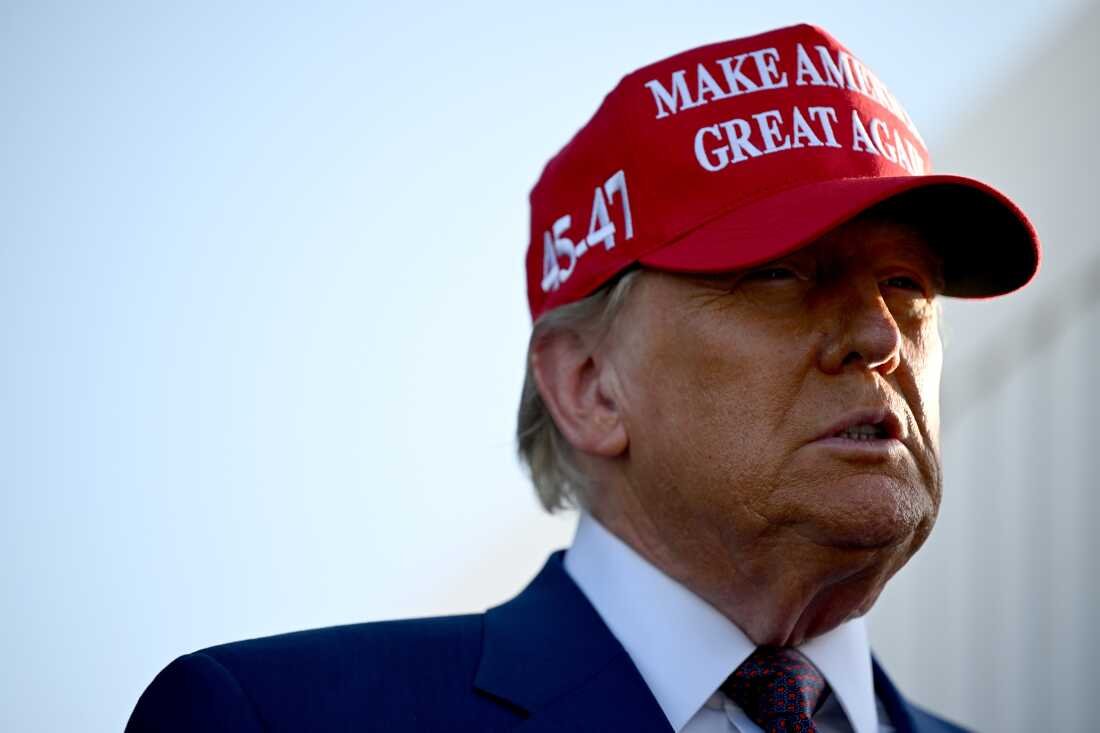
President Donald Trump has reignited the global trade war by imposing a 10% minimum tariff on most imported goods, with significantly higher duties on specific products. The move is aimed at boosting domestic manufacturing and economic self-sufficiency. However, it has also drawn strong reactions from international trading partners and market analysts. This article examines the potential economic impact of Trump’s tariff strategy, its ability to make America “great again,” and the global repercussions.
https://theislamabadtelegraph.com/2025/04/trumps-historic-saudi-visit/
Sweeping Reciprocal Tariffs in Bold Economic Move
In a decisive move aimed at reshaping global trade, former President Donald Trump announced a sweeping new set of reciprocal tariffs on Wednesday, asserting that the measure would strengthen the U.S. economy and ensure fair competition on the global stage.
Imposed via executive order, these tariffs are expected to send economic shockwaves worldwide. The White House released a detailed list of approximately 100 countries, along with the corresponding tariff rates that the U.S. will impose in kind.
Key Elements of the Tariff Plan
Baseline 10% Tariff on All Imports
Ahead of Trump’s formal announcement, a senior White House official briefed reporters, revealing that the administration would establish a universal “baseline tariff” of 10% on all imports. This new tariff rate will take effect on April 5.
Several nations will face only this baseline tariff, including:
-
United Kingdom
-
Singapore
-
Brazil
-
Australia
-
New Zealand
-
Turkey
-
Colombia
-
Argentina
-
El Salvador
-
United Arab Emirates
-
Saudi Arabia
Higher Tariffs for ‘Worst Offenders’
For approximately 60 nations deemed to engage in unfair trade practices, the administration is imposing significantly higher, customized tariffs, set to take effect on April 9.
These nations have been identified based on their higher tariffs on U.S. goods, non-tariff trade barriers, and other policies that Washington believes undermine American economic interests.
The following key trading partners will face elevated tariffs:
-
European Union – 20%
-
China – 54%
-
Vietnam – 46%
-
Thailand – 36%
-
Japan – 24%
-
Cambodia – 49%
-
South Africa – 30%
-
Taiwan – 32%
Canada and Mexico Exempt—For Now
Notably absent from the list are Canada and Mexico. The White House clarified that both countries will continue to be governed by previously enacted executive orders that addressed tariffs in the context of fentanyl trafficking and border security.
Trump’s tariffs on China, EU and more, at a glance
Trump had previously set tariffs on Canadian and Mexican imports at 25%, though some exemptions and delays were later introduced. While no new tariffs are being imposed on Canada, no relief from existing tariffs has been offered either.
25% Tariff on Foreign-Made Automobiles
In another major move, Trump announced a 25% tariff on all foreign-manufactured automobiles, a measure aimed at revitalizing the domestic auto industry.
This tariff will take effect immediately—at midnight on April 3—potentially disrupting global auto markets and intensifying trade tensions with key automotive exporters.
Implications and Reactions
The sweeping tariff package marks one of the most aggressive trade policies in modern U.S. history. While the administration argues it will create jobs and level the playing field, economists warn it could trigger retaliatory measures, disrupt global supply chains, and inflame trade disputes with key allies and economic powers.
Markets and global leaders are expected to react strongly in the coming days as the world braces for the economic ripple effects of Trump’s latest trade war maneuver.
The Economic Impact of Trump’s Tariffs
The newly imposed tariffs are expected to generate substantial revenue for the U.S. government while encouraging domestic production. According to estimates, the tariff hike could contribute over $200 billion annually to the U.S. Treasury. Manufacturing industries, particularly steel, aluminum, and semiconductors, are expected to benefit the most, as reduced competition from imports may lead to increased local demand and job creation.
However, the impact on consumers is likely to be significant. Market analysts predict that American households could face an average annual increase of $1,500 in expenses due to higher prices on imported goods. Additionally, stock market volatility has already erased nearly $5 trillion in value since mid-February, showing investors’ concerns about the broader economic impact.
Can Tariffs Make America Great Again?
Trump argues that his tariff policy will revitalize American manufacturing and reduce reliance on foreign economies. By imposing these tariffs, the administration seeks to:
- Protect U.S. industries from unfair competition.
- Reduce trade deficits, particularly with China and the European Union.
- Encourage foreign companies to set up manufacturing plants in the United States to bypass tariffs.
- Strengthen national security by reducing dependency on foreign-made essential goods.
Supporters believe that, if properly managed, these tariffs could bring back high-paying industrial jobs that were previously outsourced. However, critics argue that the increase in production costs may make U.S. goods less competitive in global markets, ultimately harming exports.
Trump’s Countermeasures Against Retaliation
Trump’s administration is bracing for countermeasures from trading partners by:
- Offering subsidies and tax incentives to industries affected by reciprocal tariffs.
- Negotiating bilateral trade agreements to secure favorable terms for U.S. exports.
- Threatening additional economic and diplomatic pressure on countries that retaliate, particularly China and the European Union.
- Utilizing the Strategic Petroleum Reserve and other national resources to stabilize inflation and economic disruptions.
The administration believes that by demonstrating a firm stance, trading partners may ultimately negotiate fairer trade terms rather than escalating retaliatory measures.
The Risk of Counter-Tariffs from China, Canada, and Mexico
If key trade partners such as China, Canada, and Mexico impose reciprocal tariffs, the U.S. economy could face significant challenges:
- China: A 54% tariff on Chinese imports could lead to retaliation, impacting major U.S. industries such as agriculture, automotive, and technology. China has historically responded by targeting U.S. soybean farmers and tech companies like Apple and Tesla.
- Canada & Mexico: These two nations account for nearly 30% of total U.S. trade. If they respond with tariffs on American exports, industries such as automotive manufacturing and agriculture could suffer heavy losses. Higher tariffs on U.S. vehicles and agricultural products may reduce competitiveness in key North American markets.
- The European Union & Japan: If the EU and Japan impose counter-tariffs, the cost of essential goods like electronics, wine, and pharmaceuticals in the U.S. could skyrocket, further straining American households.
How Tariffs Affect U.S. Import and Export Data (2021-2024)
Analyzing recent trade data, we see a shift in the U.S. trade balance:
- China (2023): U.S. exports to China were valued at $147.8 billion, while imports from China totaled $448.03 billion, leading to a trade deficit of approximately $300.23 billion.
- Mexico (2024): U.S. trade with Mexico totaled $839.9 billion, with a trade deficit of $171.8 billion.
- Canada (2024): U.S. trade with Canada amounted to $762.1 billion, with a trade deficit of $63.3 billion.
These figures highlight the significant dependence of the U.S. on global supply chains. Tariffs could reduce trade deficits but may also lead to increased costs for industries reliant on imports.
Potential Winners and Losers of Trump’s Tariff Plan
- Winners: Domestic manufacturing, steel and aluminum industries, semiconductor companies, and workers in protected sectors.
- Losers: American consumers, import-reliant businesses, international trade partners, and companies exporting U.S. goods to retaliatory markets.
Overall Analysis: A High-Stakes Gamble
Trump’s aggressive trade policy represents a high-stakes economic gamble. While the move aims to create a more self-reliant American economy, it risks escalating into a full-fledged global trade war. Key takeaways from this policy include:
- Short-term disruptions: Higher consumer prices, stock market volatility, and strained international relations are inevitable.
- Long-term potential: If successful, tariffs may lead to stronger domestic industries, reduced trade deficits, and more resilient supply chains.
- Uncertain global impact: The global economy could suffer from slower growth, and many countries may enter a recession due to disrupted trade flows.
Ultimately, Trump’s tariffs could redefine the global trade landscape. Whether they will truly “make America great again” depends on how effectively the administration navigates international backlash and domestic economic challenges.