



Musk $1 trillion pay package marks a corporate first:
Tesla shareholders have approved the largest executive compensation deal in history, aligning Musk’s future with Tesla’s transformation into an AI and robotics powerhouse.
Musk $1 trillion pay package tied to futuristic goals:
The deal links Musk’s earnings to ambitious milestones—like 1 million humanoid robots sold and a $8.5 trillion market cap—signaling a shift from cars to artificial intelligence.
Musk $1 trillion pay package raises governance concerns:
Critics argue the plan gives Musk excessive control, potentially turning Tesla into a personal empire as he merges its AI vision with his startup xAI.
Musk $1 trillion pay package reflects Trump-era capitalism:
The record deal embodies the Trumpian ideal of wealth as vision and power, celebrating the cult of the entrepreneur over institutional oversight.
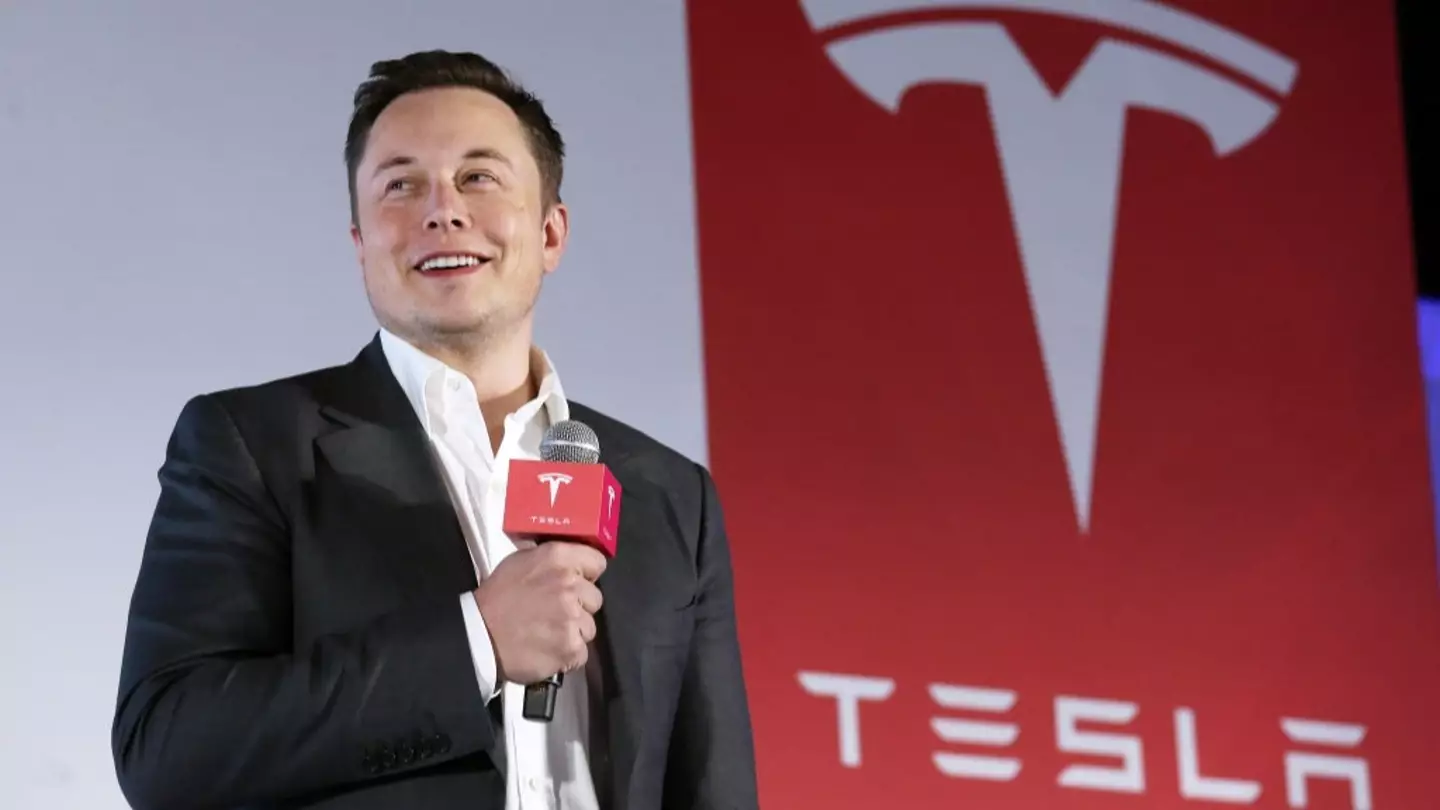
Elon Musk has always lived on the edge of spectacle—whether launching rockets, tweeting market-moving jokes, or walking onto a Tesla stage surrounded by dancing humanoid robots. But the recent approval of his $1 trillion pay package pushes both the boundaries of corporate compensation and the definition of visionary capitalism. With more than 75% of shareholders backing the plan, Musk now stands to control up to 25% of Tesla, a stake that could make him not just the richest man in the world, but the most powerful figure in the global tech-industrial complex.
For Donald Trump and the political right, this spectacle has broader symbolism. Musk’s ascent mirrors the Trumpian ideal of wealth as destiny—a reward for audacity and risk. In an America obsessed with entrepreneurial heroes, the approval of such an astronomical pay deal reflects the same cultural current that fuels Trump’s populist capitalism: the belief that bold, rule-defying individuals—not institutions—define progress.
But while Trump’s empire is built on real estate and rhetoric, Musk’s rests on algorithms, automation, and artificial intelligence—the industries shaping the 21st century’s new order of power.
A Blueprint for Musk’s Machine Future
Behind the neon lights and cheers, the Musk $1 trillion pay package is not just a personal jackpot—it’s a blueprint for Tesla’s metamorphosis. The plan divides Musk’s compensation into 12 tranches of stock options, each linked to performance milestones that range from market capitalization targets (up to $8.5 trillion) to production feats such as 20 million cars delivered, 1 million robotaxis, and 1 million humanoid robots sold.
It’s no longer just about electric vehicles. Tesla’s real ambition is to become an AI-first robotics conglomerate, blurring the lines between cars, machines, and intelligent systems. The compensation design pushes Musk toward exactly that transformation.
Tesla’s board has described this as “pay for performance,” but critics argue it’s pay for power. Each milestone Musk hits consolidates his control and influence—not just within Tesla, but across industries where Tesla’s technologies could dominate: robotics, mobility, energy, and AI.
This is not just a company betting on innovation; it’s a company betting on a single man’s technological vision—and perhaps his ego.
The Political Economy of a Billionaire
To understand what Musk’s windfall means for Trump—or for capitalism itself—one must see the interplay between politics, populism, and plutocracy. Trump’s America lionized “winners” who defied bureaucracy and spoke to the masses. Musk has become that archetype: a CEO who tweets like a president, spars with regulators, and claims to defend “free speech” while reshaping industries.
Musk’s alignment with Trump-era values—skepticism of government, distrust of elites, and glorification of private innovation—makes this pay package politically resonant. It represents the ultimate privatization of progress, where innovation is driven not by policy or collective effort but by the financial incentives of one billionaire.
Critics like the California Public Employees’ Retirement System and Norway’s Norges Bank have condemned the plan as “astronomical” and structurally unsound, arguing that it rewards speculation over tangible results. Yet the approval margin—over three-quarters of shareholders—reveals a deeper reality: investors see Musk not just as a CEO, but as a prophet of the post-industrial age.
The Road Ahead: AI, Robots, and Unchecked Power
If Musk’s compensation plan succeeds, Tesla’s value could soar to $8.5 trillion—nearly six times its current market cap. But reaching those milestones means a decade of unrelenting expansion: scaling robot production, mastering AI, and commercializing fully autonomous vehicles.
The stakes are enormous. Tesla’s current EBITDA is around $16 billion, a fraction of the $400 billion target needed to unlock the later tranches. To hit those goals, Musk will need breakthroughs that verge on science fiction—mass robot production, profitable self-driving fleets, and a functioning “robot army” that can be trusted not to go rogue.
This brings us to Musk’s recurring warning: he wants a large enough stake in Tesla to ensure that his AI projects “don’t fall into the wrong hands.” It’s a statement that sounds both protective and prophetic—but also reveals the ethical paradox of his power. Musk claims to guard humanity from AI misuse, yet consolidates unprecedented control over its future.
Meanwhile, his new AI startup xAI—which aims to rival OpenAI and Google DeepMind—stands to benefit from Tesla’s shareholder-approved investments. The merging of Tesla’s robotics with xAI’s cognitive systems could give Musk an empire that spans from the physical world to the digital mind—a kind of techno-political dominion.
Capitalism’s Great Experiment
The Musk $1 trillion pay package marks a defining moment in corporate history. It fuses spectacle with strategy, rewarding Musk not for what he’s done, but for what he promises to do. It’s capitalism’s most audacious experiment in faith-based innovation—one where investors place trillion-dollar bets on a personality cult.
For Trump, it represents the vindication of the entrepreneurial gospel: that visionaries, not regulators, should steer the world. For the rest of us, it poses a question: how much power can one man wield over the technologies that will define our lives?
If Musk succeeds, he will have rewritten not only Tesla’s destiny but the playbook of modern capitalism. If he fails, the trillion-dollar dream could become the most expensive lesson in corporate history—a monument to ambition untethered by limits.