


- Strait of Hormuz control proposal by Iran faces global rejection
- UAE, Saudi Arabia, Qatar and major powers oppose Iran-Oman joint administration
- China, Japan and Europe warn against disruption to global energy routes
- Rising US-Iran tensions amplify fears of instability in critical oil transit corridor
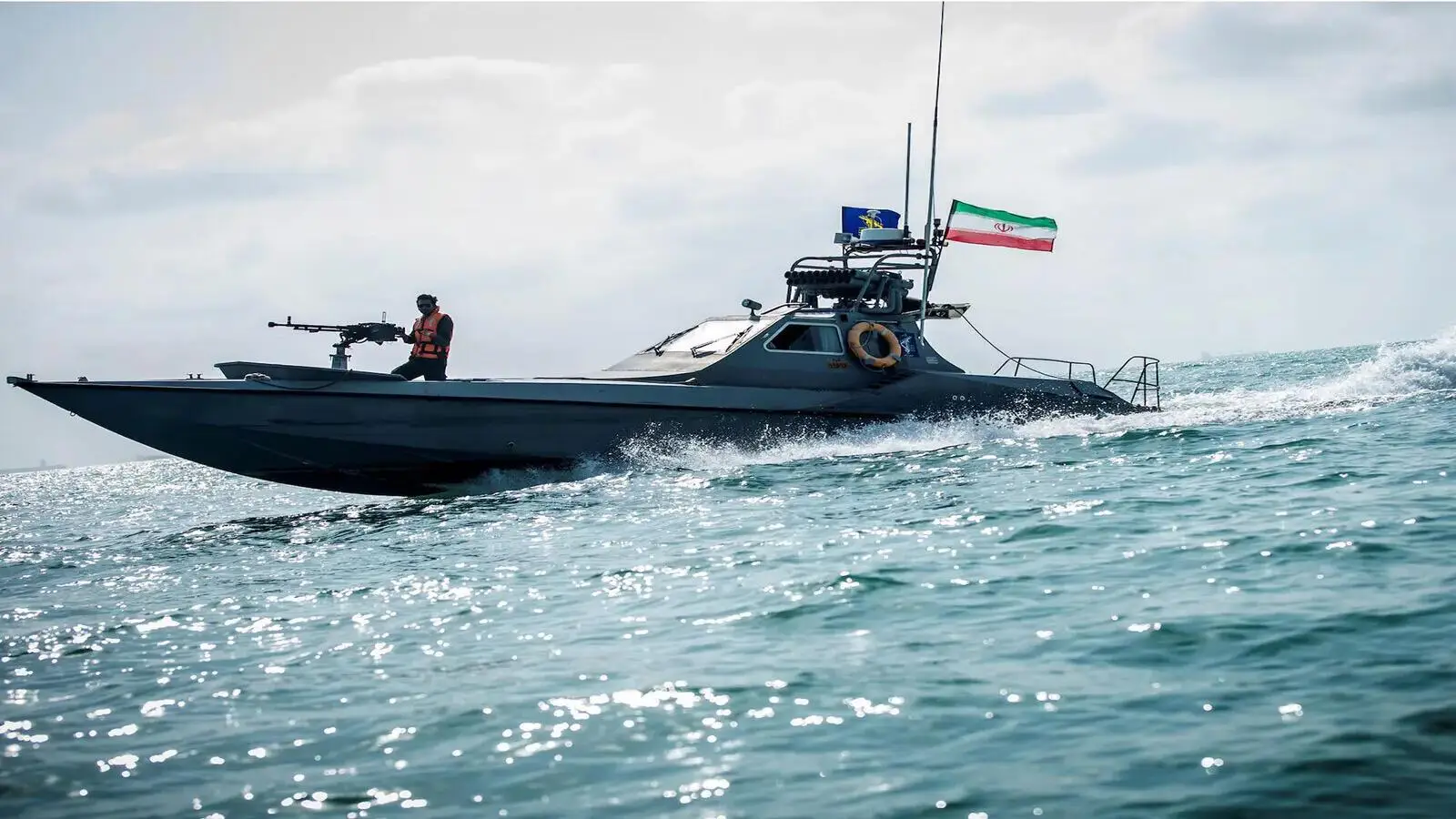
The world’s most critical maritime artery is fast becoming the epicenter of a new geopolitical confrontation, as Iran’s proposal to jointly administer the Strait of Hormuz with Oman triggers a sweeping international backlash. From Gulf monarchies to European capitals and Asian economic powerhouses, a rare consensus is emerging: no single country—or even a pair of coastal states—can be allowed to control a waterway that underpins the global economy.
Iranian Foreign Minister Abbas Araghchi’s announcement that Tehran is moving forward with plans to coordinate with Oman on managing the strait has been framed domestically as a sovereign right grounded in international law. Araghchi insists that, as littoral states, Iran and Oman possess legitimate authority to oversee navigation, security, and maritime services. He has dismissed long-standing Western interpretations that define the Strait of Hormuz as an international transit corridor guaranteeing unrestricted passage.
Yet this legal framing has found little acceptance beyond Tehran. The United Arab Emirates has now joined Qatar, Saudi Arabia, Kuwait, the United Kingdom, France, China, Japan, and several European nations in firmly rejecting any move that could place the strait under joint Iranian-Omani control. Their position is rooted in a simple but consequential principle: the Strait of Hormuz is not merely a regional waterway—it is a global lifeline.
Roughly one-fifth of the world’s oil supply transits through this narrow passage daily, along with vast volumes of liquefied natural gas and commercial goods. Any perception of restricted access, politicized control, or new fees—however framed as “service charges”—risks destabilizing energy markets already strained by ongoing conflict between the United States and Iran. Global powers fear that even incremental administrative control by Iran could translate into strategic leverage over energy flows, insurance rates, and shipping routes.
Hormuz Crisis Exposes a Global Flaw That Will Take Years to Fix
The reaction from Gulf states has been particularly sharp. While Oman has historically played the role of a neutral mediator between Iran and its Arab neighbors, regional governments view the notion of joint control as a dangerous departure from established norms. The UAE and Saudi Arabia, both heavily dependent on uninterrupted exports, see the proposal as a direct threat to economic stability and maritime security. Qatar and Kuwait, though more diplomatically cautious, have aligned with the broader rejection, emphasizing the importance of maintaining open sea lanes under international law.
US Iran Strait of Hormuz Conflict Escalates After House Moves to Restrain Trump
European powers, including the UK and France, have echoed similar concerns. Officials warn that altering the governance structure of the strait would undermine decades of maritime conventions, particularly the principle of transit passage enshrined in the United Nations Convention on the Law of the Sea (UNCLOS). For Europe, still grappling with energy vulnerabilities exposed by recent global crises, the idea of politicizing Hormuz is untenable.
Perhaps most notably, China and Japan—two of the largest importers of Gulf energy—have also signaled opposition. Beijing, despite its strategic partnership with Tehran, has quietly emphasized the need for stability and predictability in global trade routes. Japan, whose economy is acutely sensitive to disruptions in oil supply, has reiterated that the strait must remain open, neutral, and free from unilateral or bilateral control mechanisms.
The United States has responded with characteristic bluntness. President Donald Trump warned that any attempt by Iran and Oman to control shipping in the strait would be met with force, underscoring Washington’s longstanding position that the waterway constitutes international waters. While Trump’s rhetoric—particularly his threat toward Oman—has drawn criticism for its severity, it reflects a broader strategic consensus in Washington: freedom of navigation in Hormuz is non-negotiable.
Caught in the middle is Oman itself. Long regarded as a diplomatic bridge in a fractured region, Muscat now faces mounting pressure from all sides. Analysts suggest that Oman has little appetite for formal joint control with Iran, recognizing that such a move would jeopardize its neutral standing and strain relations with Gulf neighbors and Western partners. Instead, Oman’s priority remains clear: de-escalation and the restoration of safe, uninterrupted shipping.
The controversy comes at a time of heightened military tension. U.S. strikes on Iranian positions and retaliatory actions by Tehran have already disrupted maritime traffic, driven up insurance costs, and injected volatility into global markets. Against this backdrop, Iran’s proposal is being interpreted less as an administrative adjustment and more as a strategic gambit—one that could redefine control over the world’s most vital energy corridor.
For now, the message from the international community is unequivocal. From Beijing to Brussels, from Riyadh to Tokyo, leading nations are drawing a red line: the Strait of Hormuz must remain a shared global passage, governed not by regional power plays but by established international law. Any attempt to reshape that order risks not only diplomatic isolation but a far broader economic and security crisis—one the world can ill afford.