



- Brondi and Brown University attack in Providence shocked the world within hours.
- Father-son duo killed 15 at a Hanukkah event, prompting Australian authorities to announce stricter gun laws.
- Global leaders including Donald Trump condemned both attacks, calling for unified action against terrorism.
- Civilians’ heroic actions, including bystander Ahmed Al Ahmed disarming a gunman, prevented further casualties.
Australia signalled plans for tougher gun laws on Monday as the country began mourning victims of its worst mass shooting in nearly 30 years, in which a father-son duo killed 15 people at a Hanukkah event at Sydney’s Bondi Beach. The father, Sajid Akram, 50, was killed at the scene, while his 24-year-old son Naveed Akram remains in critical condition. Authorities confirmed that both attackers held firearms legally, raising urgent questions about the effectiveness of Australia’s already strict gun laws.
The Bondi Beach terror attack occurred within hours of the Brown University attack in Providence, Rhode Island, where a separate gunman targeted civilians on campus. The near-simultaneous attacks — now trending as the Brondi Attack online — have sparked global concern about copycat terrorism and ideological violence. Security agencies in Europe, North America, and the Middle East heightened alerts, with Jewish institutions receiving additional protection.
Witnesses at Bondi Beach described sheer panic as gunfire erupted, sending roughly 1,000 attendees fleeing. Amid the chaos, civilian Ahmed Al Ahmed tackled and disarmed a gunman, an act of heroism that likely saved dozens of lives. His recovery is being supported by a fundraiser that has already raised over A$550,000 ($365,000).
READ MORE: Australia plans tougher gun laws after father and son kill 15 at Bondi Beach
“This was an attack on Australia’s Jewish community and on our shared values,” said New South Wales Premier Chris Minns. “What should have been a night of joy has been shattered.”
The timing of the Brondi Attack amplified its global impact. The Brown University attack had already dominated headlines, and together the incidents have sent shockwaves worldwide. Leaders including U.S. President Donald Trump condemned both attacks as “acts of pure evil against innocent people.” Prime Minister Anthony Albanese announced plans to ask Cabinet for stricter gun laws, including limits on the number of firearms per licensee and the duration of firearm licences.
ALSO READ: Sydney Terror Strikes Again: Hanukkah Event at Bondi Beach Turns Into Massacre Hours After Brown University Killing
Security analysts warn that the attacks highlight a disturbing trend: terrorists targeting symbolic public spaces, from universities to beachfront festivals. Both incidents demonstrate the psychological impact terrorists aim for, beyond physical casualties.
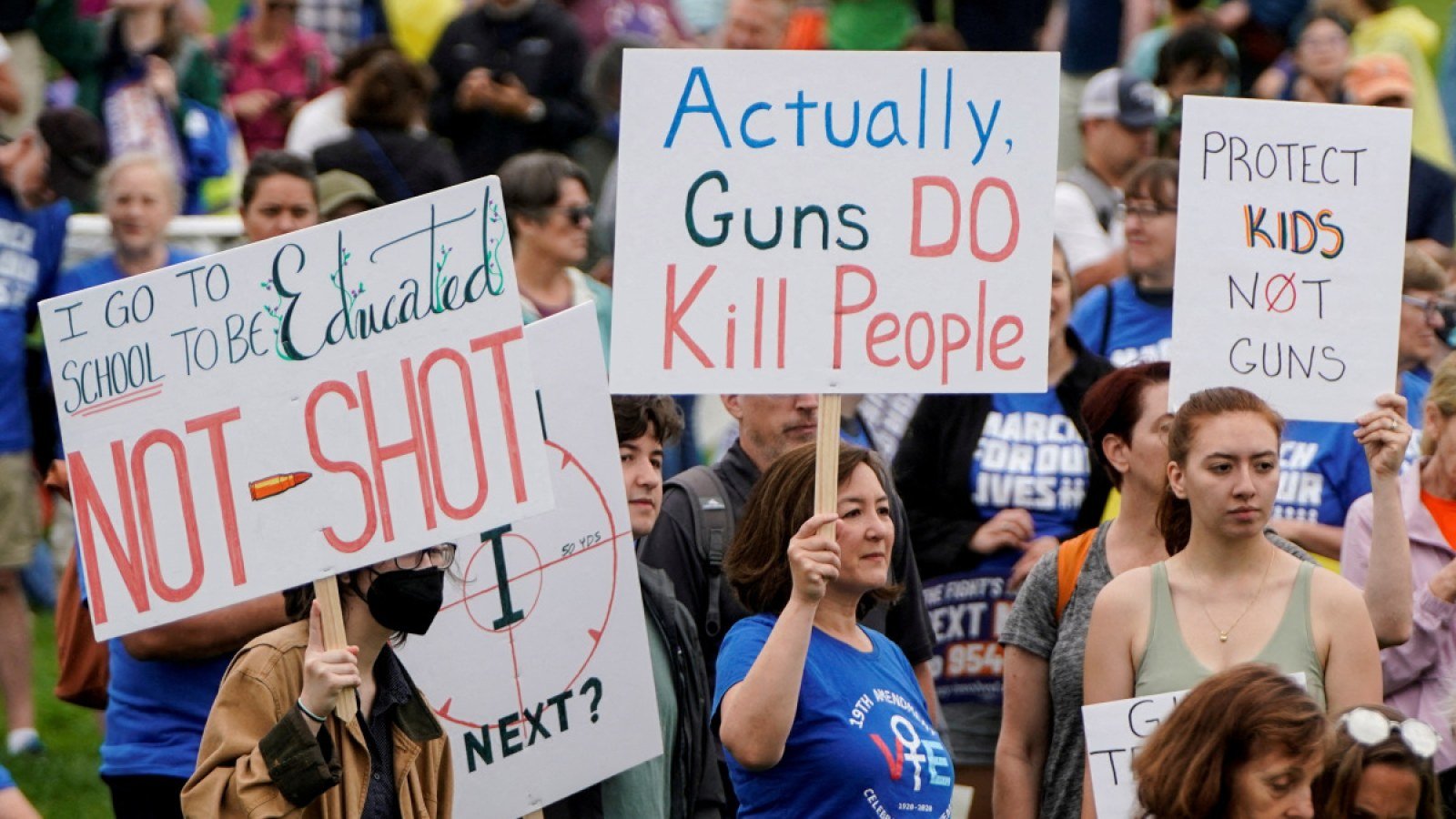
Mass shootings remain rare in Australia due to legislation following the 1996 Port Arthur massacre. However, authorities now face intense scrutiny regarding how the Bondi attackers obtained multiple firearms. The Brown University attack raises similar questions in the U.S., where gun control debates are reigniting amid fears of copycat incidents.
Global reactions have been swift. World leaders, law enforcement agencies, and billionaires have expressed outrage, called for stronger counter-terrorism measures, and pushed for global solidarity. Analysts note that the Brondi Attack and Brown University attack may force a reconsideration of international gun laws, particularly regarding civilian access to rapid-fire weapons.
As investigations continue, a central question remains: Will governments worldwide act decisively to prevent further tragedies, or will the gap between public spaces and sudden terror remain dangerously thin?
The Brondi Beach and Brown University attacks have left a lasting mark on global security consciousness, reminding the world that terrorism, once considered remote in peaceful societies, can strike anywhere, anytime — demanding vigilance, legal reform, and the courage of ordinary citizens.