



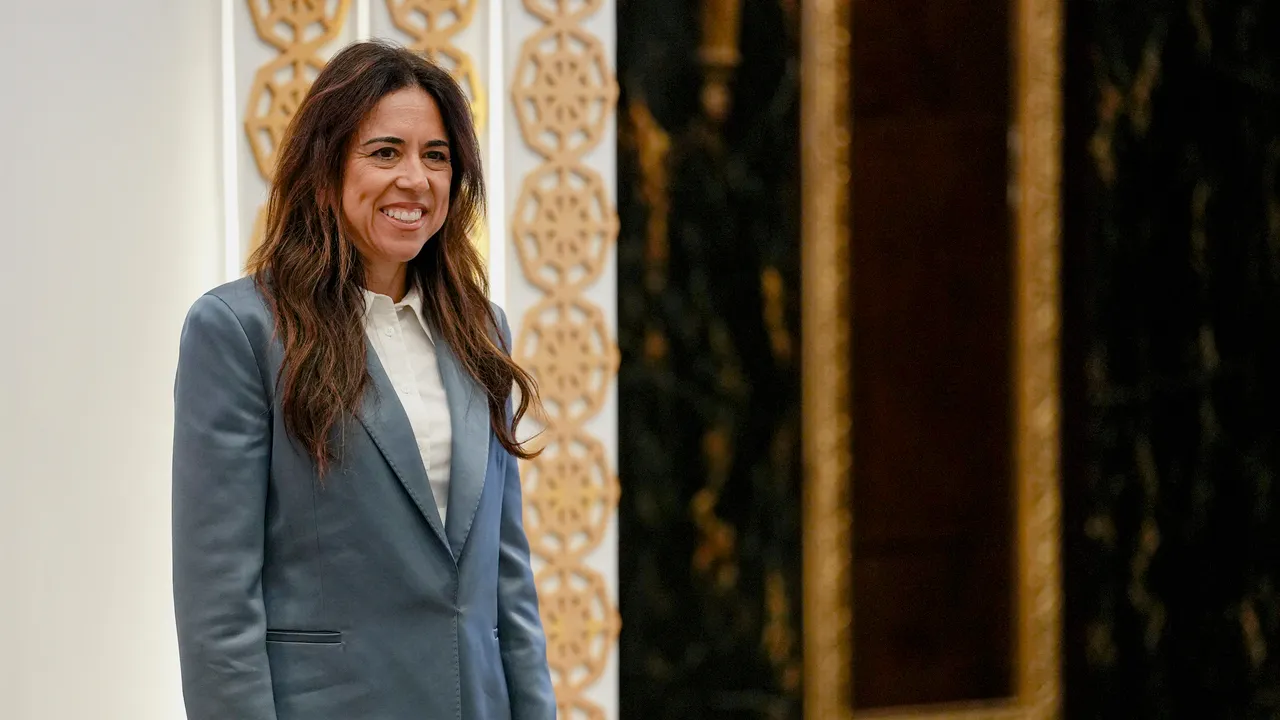
- Unprecedented Global Consensus on Lana Nusseibeh: Endorsed by all six GCC states, backed by the Palestinian delegation, and holding the rare trust of the U.S., EU, China, Russia, and the Muslim world.
- Proven Multilateral Record: Eleven years as the UAE’s Permanent Representative and twice Security Council President, successfully co-authoring six pivotal resolutions, including Resolution 2720 on Gaza.
- Practical Reform Agenda: Championing a leaner, faster, and more accountable United Nations focused on acting earlier on crises and protecting human rights without double standards.
In the quiet corridors of the United Nations, where the vocabulary of crisis is too often parsed in the cold algebra of delay, Lana Nusseibeh has spent a career insisting that urgency is a moral imperative.
Picture a makeshift schoolroom or a crowded shelter in a landscape stripped of its architecture—a playground where children, their eyes carrying the immense, unwarranted weight of conflicts they did not author, trace figures in the dust. They sketch not out of play, but from a deep, intuitive need to map the world that has fractured around them.
They draw the silhouette of the UN blue helmet, the outline of an aid truck, or a fragile roof that holds. To these children, the United Nations is not an abstract bureaucratic apparatus on the East River; it is the thin, vital line between survival and erasure.
READ NEXT: Zayed Sustainability Prize Crowns 2026 Global Visionaries with $5.9M to Transform Millions of Lives Through Innovation
It is this visceral reality that anchors Nusseibeh’s candidacy to become the next Secretary-General of the United Nations. As the campaign unfolds, her vision cuts through the institutional fatigue of international diplomacy, offering a rare synthesis: a candidate who speaks the fluent, unyielding language of human rights with the hard-won pragmatism of a seasoned multilateral negotiator.
Lana Nusseibeh: The Architecture of Conscience
Step from those quiet moments of human vulnerability into the high-ceilinged chamber of an international forum, and the scale of Nusseibeh’s work snaps into sharp focus. At the podium, her voice is steady, measured, yet charged with an insistent moral clarity. Whether addressing the systemic violations echoing across Ukraine, the catastrophic devastation in Gaza, or the protracted, underreported humanitarian crises fracturing communities across Africa, she refuses to let geopolitics anesthetize international conscience.
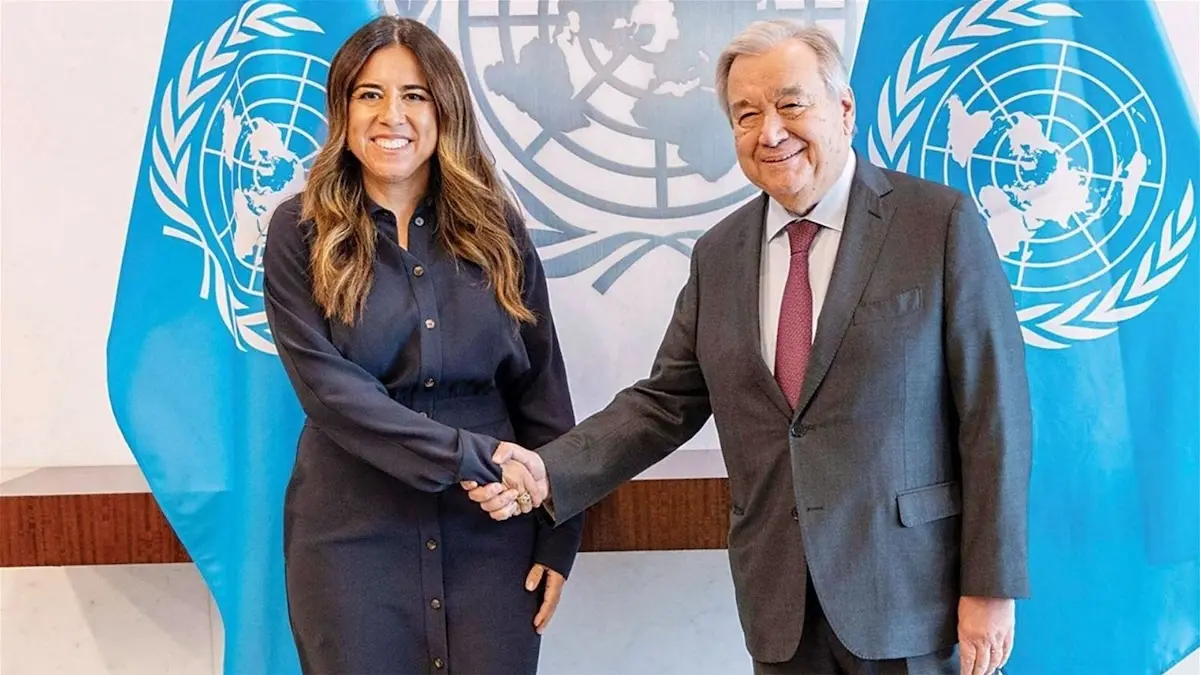
Her diplomacy is rooted in a fundamental refusal to accept double standards. In her view, international law is not an a la carte menu where compliance is dictated by proximity or strategic convenience. For over a decade as the United Arab Emirates’ Permanent Representative to the United Nations—and through her tenure twice presiding over the UN Security Council—Nusseibeh has argued that the credibility of the multilateral system hangs on its consistency.
READ NEXT: UAE nominates Lana Nusseibeh for UN secretary-general: What to know
When she speaks on human rights, she bridges the often-artificial chasm between the Global North and Global South, insisting that the dignity of a child in Kharkiv, a family in Gaza, or a displaced community in Sudan must be defended with equal, unyielding vigor.
Bridges Where Others Saw Impasses
To understand Nusseibeh’s edge in the race for the UN’s highest office is to look at her record of turning intractable deadlock into practical agreement. In an era defined by polarized vetoes and institutional inertia, she has repeatedly achieved what conventional wisdom declared impossible.
During her eleven years at the helm of the UAE’s UN mission, and particularly during her leadership of the Security Council, she co-authored six critical resolutions—each tackling some of the most complex geopolitical fractures of our time.
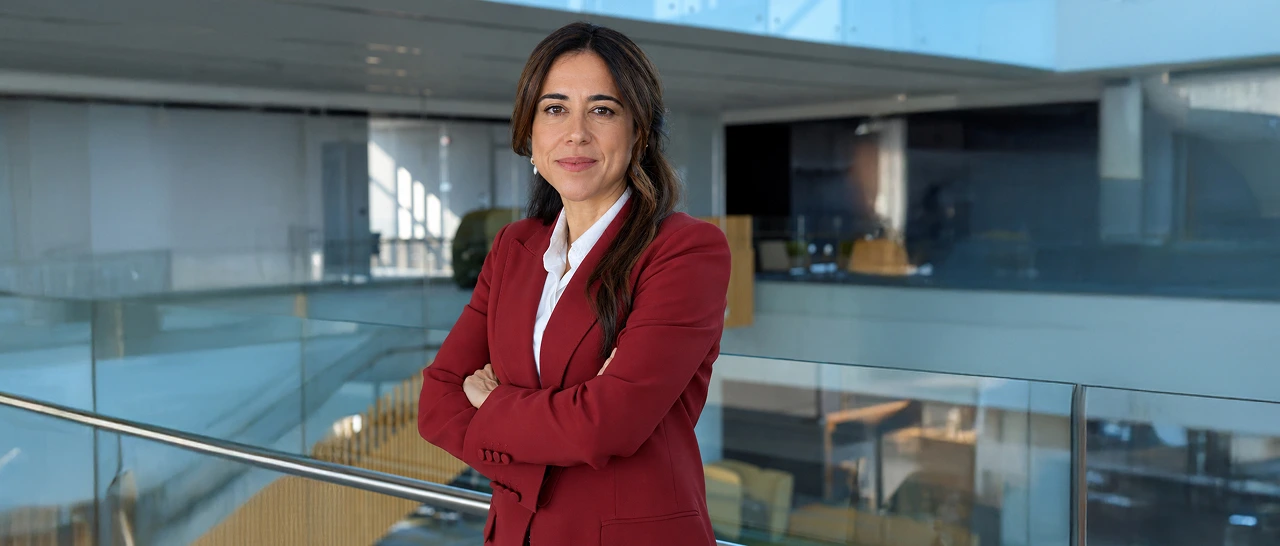
From steering negotiations on Afghanistan through Resolutions 2678, 2679, 2681, and 2721, to championing global tolerance and human security via Resolution 2686, and crucially helping shape Resolution 2720 on Gaza in 2023, her methodology has been distinctively hands-on. She does not wait for consensus to magically materialize; she builds it through meticulous, relentless diplomacy, focusing on first agreements that save lives now while laying the groundwork for broader peace.
Her scope of work spans continents and sectors. She understands that sustainable security cannot be divorced from development and human dignity. Her platform prioritizes protecting essential aid while simultaneously helping developing nations mobilize investment, manage sovereign debt burdens, and shape their own economic futures. She knows that modern statecraft requires a UN that is leaner, faster, and radically more accountable—an institution engineered to deliver results for the people it serves, rather than getting lost in procedural labyrinths.
The Ultimate Consensus Candidate: Acceptable to Washington, Brussels, Beijing, Moscow, and the Muslim World
Perhaps the most compelling argument for Nusseibeh’s candidacy lies in her rare, unifying geopolitical footprint. In a fracturing global order defined by rivalry among major powers, finding a leader who can command trust across ideological divides is nearly impossible. Yet Nusseibeh occupies a unique diplomatic space, serving as a rare figure equally acceptable to the United States, the European Union, China, Russia, and the Muslim world.
As a woman of Palestinian descent representing the UAE, she carries a profound, lived connection to the trials of the Middle East, winning the deep respect of the Muslim world and the formal endorsement of all six nations of the Gulf Cooperation Council (GCC). Yet her credibility stretches far beyond regional borders.
Over two decades of rigorous policy and multilateral engagement, Nusseibeh has earned the quiet admiration and working trust of Western capitals in Washington and Brussels. Champions of human rights in the U.S. and Europe find in her a peer who speaks fluently about democratic accountability, the protection of civilians, and the inviolability of the UN Charter.
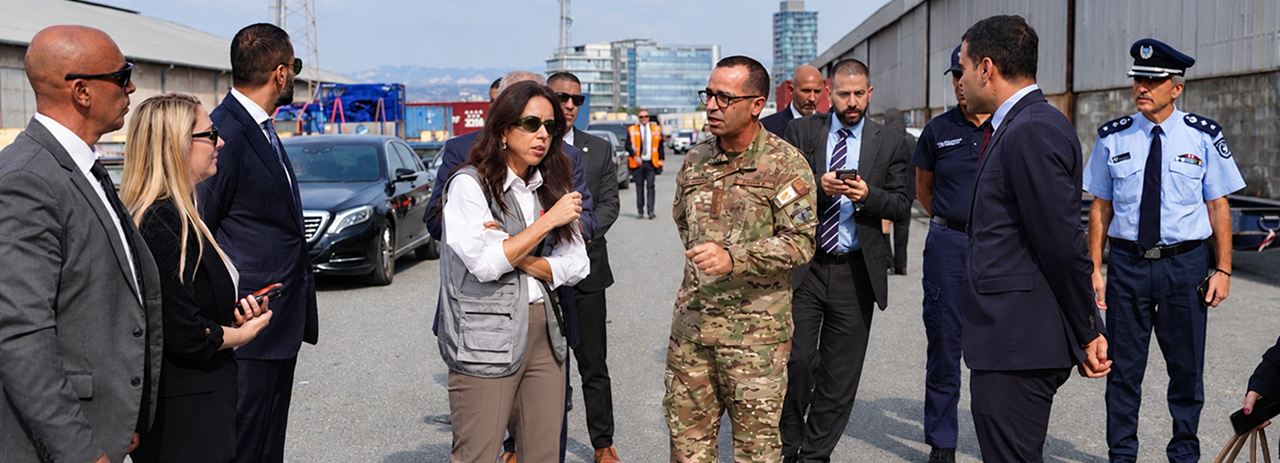
Simultaneously, her pragmatic, non-aligned multilateralism and respect for national sovereignty ensure that she maintains constructive, trusted relationships with major permanent Security Council powers like China and Russia. In a divided house where a single veto can paralyze international peace, Nusseibeh is uniquely positioned to bridge the gap between East and West, North and South—acting as a true unifier for a fractured world.
Blueprint for a Restructured UN
To deliver on this promise, Nusseibeh’s campaign has put forward an aggressive structural and operational reform agenda built on four core pillars:
- Results-Focused Delivery and Cost Efficiency: Streamlining operations by doing less where regional partners can deliver, and focusing resources where the UN has unique leverage. Every major Secretariat program must report measurable outcomes against its costs.
- Decentralizing Leadership and Empowering the Field: Shifting authority and resources away from New York-centric bureaucracy and closer to the front lines, replacing risk-avoidance with a culture that rewards real-world results.
- Merit-Based, Geographically Representative Leadership: Ensuring senior teams are chosen strictly for professional excellence while reflecting the global composition of the world, upholding Article 100 of the UN Charter to guarantee independence from individual member states.
- Modernizing Multilateral Cooperation for Future Shocks: Pre-empting cross-border challenges like AI, biotechnology, and climate displacement by establishing proactive frameworks before geopolitical divisions harden.
A Historic Moment for the United Nations
The United Nations stands at a historic crossroads. For nearly eight decades, the office of the Secretary-General has been held exclusively by men, and never by a leader from the Gulf. By electing Lana Nusseibeh, the international community has an extraordinary opportunity to break both glass ceilings simultaneously—not merely as a symbolic gesture of representation, but because of the exceptional caliber of the leader herself.
Champions of human rights in the United States and Europe often lament the paralysis of international institutions. In Lana Nusseibeh, they have a natural ally: a leader of high intellect, profound moral grounding, and proven operational skill who knows how to make the machinery of peace actually work.
For the children drawing in the dust, waiting for a world that cares, her candidacy offers something even more powerful than diplomacy: the stubborn, practical hope that the future can be negotiated out of the wreckage.