


- Can Russian Oil Ease Prices: Iran War Escalation is driving a prolonged Middle East conflict with global economic and geopolitical consequences.
- The United States and Israel have already consumed more than $11 billion in weapons in the first phase of operations against Iran.
- The Strait of Hormuz disruption is pushing global oil prices toward $100 per barrel and threatening the world’s largest energy supply corridor.
- Russia has emerged as the biggest financial beneficiary after the U.S. temporarily lifted sanctions allowing global purchases of Russian oil.
The war between Iran, Israel and the United States is entering a dangerous new phase, with the conflict showing no sign of slowing and analysts increasingly warning that the crisis could become one of the most prolonged and economically disruptive wars in the Middle East in decades.
Nearly two weeks after U.S. and Israeli airstrikes began on February 28, the conflict has already killed more than 2,000 people, most of them in Iran and Lebanon, while triggering one of the most severe shocks to global energy markets since the early 2020s. Oil prices have surged to around $100 a barrel, global stock markets have been rattled, and the strategic Strait of Hormuz — a chokepoint for roughly one-fifth of the world’s oil supply — remains effectively closed.
US–Iran War: Russia Urges Washington and Israel to Halt Strikes on Iran
Despite U.S. President Donald Trump declaring that Washington and Israel have already “won” the war, developments on the ground suggest the conflict is escalating with no end in sight.
Iran’s new supreme leader, Mojtaba Khamenei, issued his first public statement since assuming power, vowing that Tehran would continue its campaign of retaliation and maintain the closure of the Strait of Hormuz. In a message read on Iranian state television, he warned neighboring countries hosting U.S. bases that they could become targets if they continued to support American military operations.
US eases Russia oil sanctions as Iran war pushes up energy prices
“I assure everyone that we will not neglect avenging the blood of your martyrs,” Khamenei said, signaling that Tehran intends to sustain a prolonged confrontation designed to impose economic and military pressure on Washington and its allies.
On the Israeli side, Prime Minister Benjamin Netanyahu also struck a defiant tone during his first press conference since the war began. Netanyahu suggested that Israel would continue targeting Iranian leadership and military infrastructure while also intensifying strikes against Hezbollah in Lebanon.
Oil at $200? Iran’s Strait of Hormuz Gamble Could Shake the Global Economy
Yet while leaders on all sides project confidence, the strategic picture reveals a far more complicated reality. Instead of a short, decisive campaign, the war is expanding geographically and economically.
The conflict has already spread beyond Iran and Israel into Lebanon, Iraq and the wider Gulf region. Israeli airstrikes have struck central Beirut, killing hundreds, while Hezbollah has launched its largest rocket barrages against Israel since the war began. Drone attacks have also been reported in Kuwait, Iraq, the United Arab Emirates, Bahrain and Oman.
At sea, the conflict has increasingly targeted energy infrastructure. Tankers have been attacked near the Strait of Hormuz and in the Iraqi port of Basra, where explosive-laden boats set multiple vessels ablaze. Shipping companies have largely halted traffic through the strait, creating one of the largest supply disruptions in the history of global oil markets.
But one of the most striking consequences of the conflict has been the geopolitical windfall it has created for Russia.
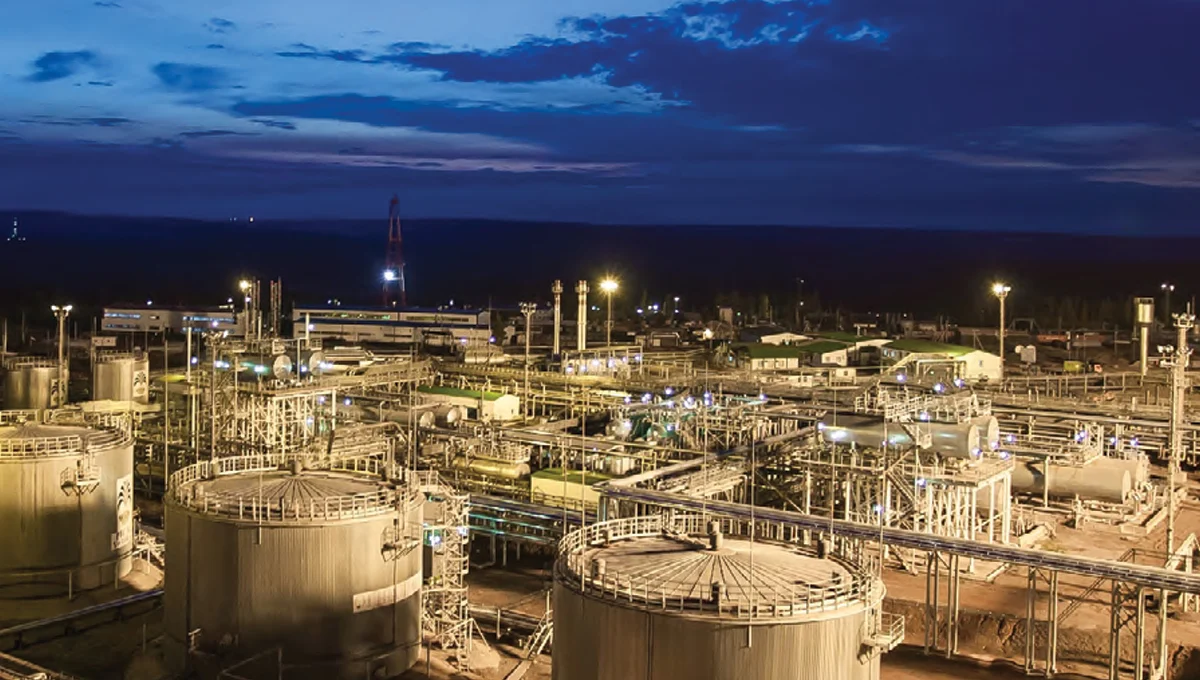
As oil prices surged and global markets panicked, the United States took the extraordinary step of temporarily easing sanctions on Russian oil shipments. The U.S. Treasury issued a 30-day general license allowing countries to purchase roughly 128 million barrels of Russian oil that had previously been stranded at sea under sanctions.
The move effectively re-opened global markets to sanctioned Russian crude and has provided a massive financial boost to Moscow. Analysts estimate that Russia has already been earning roughly $150 million per day in additional revenue as oil prices spike amid the Middle East conflict.
Critics in Washington argue the decision has inadvertently turned Russia into the biggest beneficiary of the war.
Democratic lawmakers have accused the administration of handing Russian President Vladimir Putin a windfall that could strengthen Moscow’s finances while the West continues to confront Russia over the Ukraine war.
“The global energy shock is enriching Putin and strengthening Russia’s war coffers,” several senators warned in statements criticizing the sanctions relief.
At the same time, the conflict is imposing mounting costs on the United States and its allies.
According to officials briefed in Congress, the first six days of military operations against Iran consumed at least $11.3 billion in weapons and operational expenses. The figure includes roughly $5.6 billion worth of munitions used during the first two days of strikes alone.
Pentagon officials have also warned lawmakers that the war is rapidly depleting U.S. military stockpiles at a time when the defense industry is already struggling to replenish weapons systems used in Ukraine and other global deployments.
The Trump administration is now expected to request additional funding from Congress, with some estimates suggesting that future war costs could exceed $50 billion if the conflict continues.
Meanwhile, the broader strategic objective of the campaign remains unclear. The White House has not publicly outlined how long the war might last or what political settlement might follow.
For now, Iran appears determined to continue using energy markets as leverage, warning that oil prices could rise as high as $200 per barrel if the Strait of Hormuz remains closed.
With attacks spreading across the region, global markets in turmoil and major powers increasingly drawn into the economic consequences of the conflict, the war is rapidly evolving into a prolonged geopolitical crisis — one that shows little sign of ending anytime soon.