



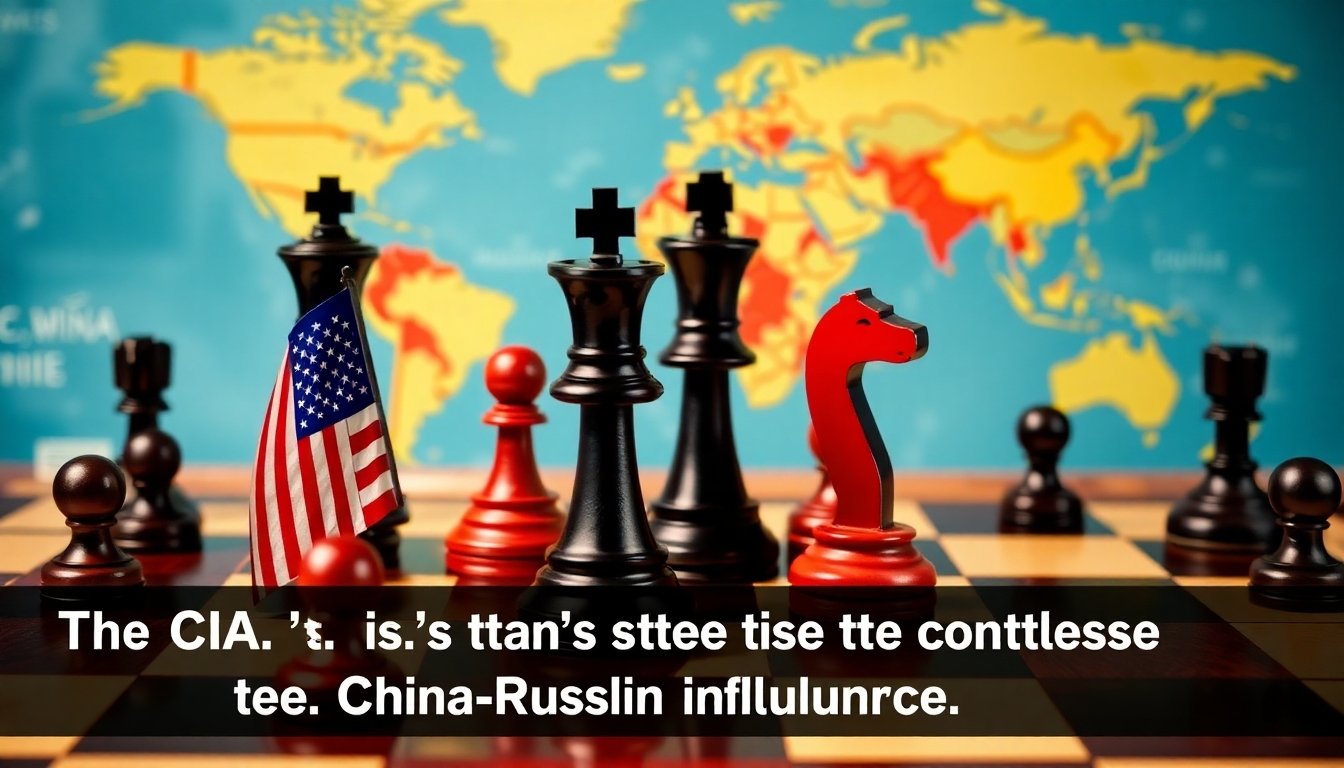
The Rising Sino-Russian Threat
The burgeoning strategic alignment between China and Russia has become a focal concern for U.S. foreign policy. Driven by shared grievances against the Western-dominated international order, Beijing and Moscow have fostered closer ties over the past decade across military, economic, and diplomatic domains.
As Trump’s Aid Approve Strike, Israel Faces Strategic Impasse in Targeting Iran’s Deep Nuclear Sites
Their partnership poses a direct challenge to U.S. interests and its allies, especially as they promote an alternative global order designed to diminish American influence.
China’s economic and diplomatic backing has enabled Russia to sustain its war in Ukraine, undermining global stability and challenging NATO’s security framework. Beijing’s export of dual-use technologies, including microelectronics and military optics, has bolstered Russia’s defense industry despite international sanctions. Moreover, China’s diplomatic narratives echo Moscow’s claims that NATO’s expansion triggered the Ukraine conflict, further isolating the U.S. on the world stage.
World order ‘under threat not seen since Cold War’
In the Global South, Beijing and Moscow are capitalizing on anti-Western sentiment. They are pushing narratives of U.S. decline while establishing alternative financial systems to counteract American-led sanctions. Through BRICS and the SCO, they aim to create a multipolar world where authoritarian regimes can thrive without Western scrutiny.
The Geopolitical Domino Effect
The Sino-Russian alliance’s appeal extends to middle powers like Turkey, South Africa, and Brazil, which are growing increasingly disenchanted with the current global order. The rising influence of BRICS and SCO underscores this shift, as these nations see an opportunity to challenge the West’s dominance. By aligning with Beijing and Moscow, these middle powers gain economic and geopolitical leverage while weakening U.S. influence.
Militarily, China and Russia have intensified joint exercises, including live-fire drills in the South China Sea and bomber patrols near Alaska. While their military integration remains limited, it has the potential to complicate U.S. strategic planning. Technological cooperation—spanning fighter jets, semiconductors, and artificial intelligence—further elevates the threat.
Internal Frictions Within the Alliance
Washington based sources said despite their growing partnership, Beijing and Moscow remain wary of over-dependence on one another. Russia’s outreach to Iran, North Korea, and India reflects its desire to avoid becoming a junior partner to China. Similarly, Beijing is cautious about aligning too closely with Russia’s military adventures, particularly in Ukraine. Chinese strategists recognize that prolonged conflicts undermine regional stability and harm Beijing’s economic interests.
Trump’s Invitation to Xi: A High-Stakes Gamble in U.S.-China Relations
The so-called “no-limits” partnership between China and Russia is fraught with underlying tensions. Historical mistrust, overlapping spheres of influence, and divergent strategic goals—such as China’s focus on economic leadership versus Russia’s geopolitical maneuvering—limit the depth of their alignment. These fractures could present opportunities for the U.S. to exploit.
The U.S. Response
The U.S. strategy centers on countering this partnership through diplomatic and economic measures. Intelligence operations targeting the cohesion of BRICS and the SCO are a critical component of this effort. Washington is also exploring ways to isolate Moscow and Beijing diplomatically while strengthening alliances in the Indo-Pacific and Europe.
Key recommendations for U.S. policymakers include:
- Maintain Diplomatic Channels: While a Sino-Russian split is unlikely in the short term, open lines of communication could exploit future tensions.
- Pressure Beijing to Limit Support for Moscow: Diplomatic incentives and targeted sanctions should push China to curb its military and economic backing of Russia.
- Engage the Global South: By offering economic opportunities and reforming multilateral institutions, the U.S. can counteract anti-Western narratives.
Strategic Challenges Ahead
The United States faces significant hurdles in countering the Sino-Russian partnership. Neither Beijing nor Moscow views cooperation with Washington as beneficial, given the deep trust deficit. Moreover, attempts to co-opt one power to counter the other risk undermining U.S. credibility with its allies.
However, strategic differences between China and Russia—including conflicting interests in Asia, Africa, and the Arctic—offer potential leverage points. For example, Beijing’s discomfort with North Korea’s military cooperation with Russia could be exploited to sow discord. Similarly, China’s aspirations for global leadership might incentivize it to distance itself from Moscow’s more aggressive actions.
Implications for Global Stability
The CIA’s new directive signals a shift in U.S. foreign policy, prioritizing the disruption of anti-Western alliances over reconciliation. This aggressive stance could escalate tensions with Beijing and Moscow, potentially leading to a new era of geopolitical rivalry. As the U.S. navigates this complex landscape, its ability to manage alliances, counter narratives, and exploit rivalries will determine its success in preserving its global leadership.
For now, the world watches as this geopolitical chess game unfolds, with the stakes higher than ever.