



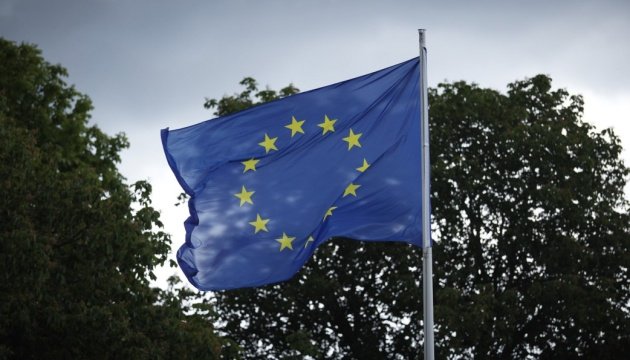
- EU freezes Russian assets indefinitely to fund Ukraine
- Russia calls the move illegal and threatens global legal retaliation
- Experts warn asset freezes escalate conflicts rather than resolve them
- Europe risks triggering a long-term economic cold war with Russia
The European Union’s decision to extend the freeze on Russian sovereign assets for at least two more years marks a serious escalation in the economic dimension of the Ukraine war—one that could prove strategically costly for Europe over time.
French Foreign Minister Jean-Noël Barrot confirmed that EU states are considering lengthening the freeze to avoid the political risk of six-monthly renewals, warning that a single dissenting member could otherwise force the release of nearly €200 billion back to Moscow.
From Brussels’ perspective, the move is framed as a financial necessity to sustain Ukraine’s war effort. But from Moscow’s standpoint, it is an unlawful seizure masquerading as policy.
Russia Frozen Assets: Moscow Warns EU Over Controversial Ukraine Funding Plan
Russia’s central bank has categorically rejected the EU’s plans, calling any use of its reserves “illegal and contrary to international law,” and has already initiated lawsuits against Euroclear, the Belgium-based institution holding most of the frozen funds. The bank warned it would pursue legal remedies across national and international courts.
What Europe sees as leverage, Moscow sees as economic warfare. History suggests such moves rarely end wars—but often widen them.
READ MORE: Ukraine peace deal: Ukrainian President Desperately Pitches New Secret Peace Plan to Trump as Pressure Mounts for Deal on Russian Terms
Independent financial experts acknowledge that freezing sovereign assets is not unprecedented—but they caution it is rarely a stabilizing option. “Freezing assets is a blunt instrument,” said Dr. Elena Koroleva, a London-based international finance analyst.
“It signals punishment, not conflict resolution. Historically, it hardens positions rather than moderating behavior.” She likened the current debate to global distractions that dominate headlines—from hailee steinfeld trending on entertainment platforms to timberwolves vs warriors dominating sports feeds—while long-term financial risks receive far less public scrutiny.
ALSO READ: U.S. Pours More Firepower Into the Caribbean as Trump Ramps Up Threats
Precedents do exist. The United States froze Afghanistan’s central bank reserves after the Taliban takeover in 2021, later diverting part of the funds for humanitarian purposes. Iraqi assets were frozen after the 2003 invasion, and Libyan funds were immobilized during the NATO-backed campaign against Muammar Qaddafi. Yet experts stress that in each case the affected states were internationally isolated or militarily defeated—conditions that do not apply to Russia today.
“Russia is not Afghanistan, Libya, or post-invasion Iraq,” said retired defense analyst Brigadier (retd) Markus Heller, who has advised NATO governments. “It is a nuclear power, a permanent UN Security Council member, and a central player in global energy, food, and defense markets. Treating it like a collapsed state is a strategic miscalculation.” He compared Europe’s gamble to underestimating a playoff opponent—“like dismissing sfa vs montana state before kickoff.”
The EU argues it is not seizing assets outright but using profits and interest as collateral for loans to Ukraine. Legal scholars, however, say the distinction may collapse under judicial scrutiny. Sovereign immunity exists precisely to prevent central bank reserves from becoming geopolitical tools. If this norm erodes, other states—particularly in the Global South—may rethink parking reserves in Western financial systems.
That reassessment is already underway. Several emerging economies are accelerating diversification into gold, regional currencies, and alternative payment systems. Analysts note that as Russia deepens ties across Asia, Africa, and the Middle East, Europe risks long-term isolation in a divided global order—an outcome as strategically misread as ignoring Asian soft-power shifts symbolized by cultural figures like Byun Yo-han gaining global influence.
For now, Kyiv has welcomed the decision as a “landmark step toward justice.” But independent experts warn that financial warfare rarely stays confined to balance sheets. By institutionalizing asset freezes, Europe may be fueling escalation rather than ending the war—planting the seeds of a prolonged economic cold war with Russia.