



-
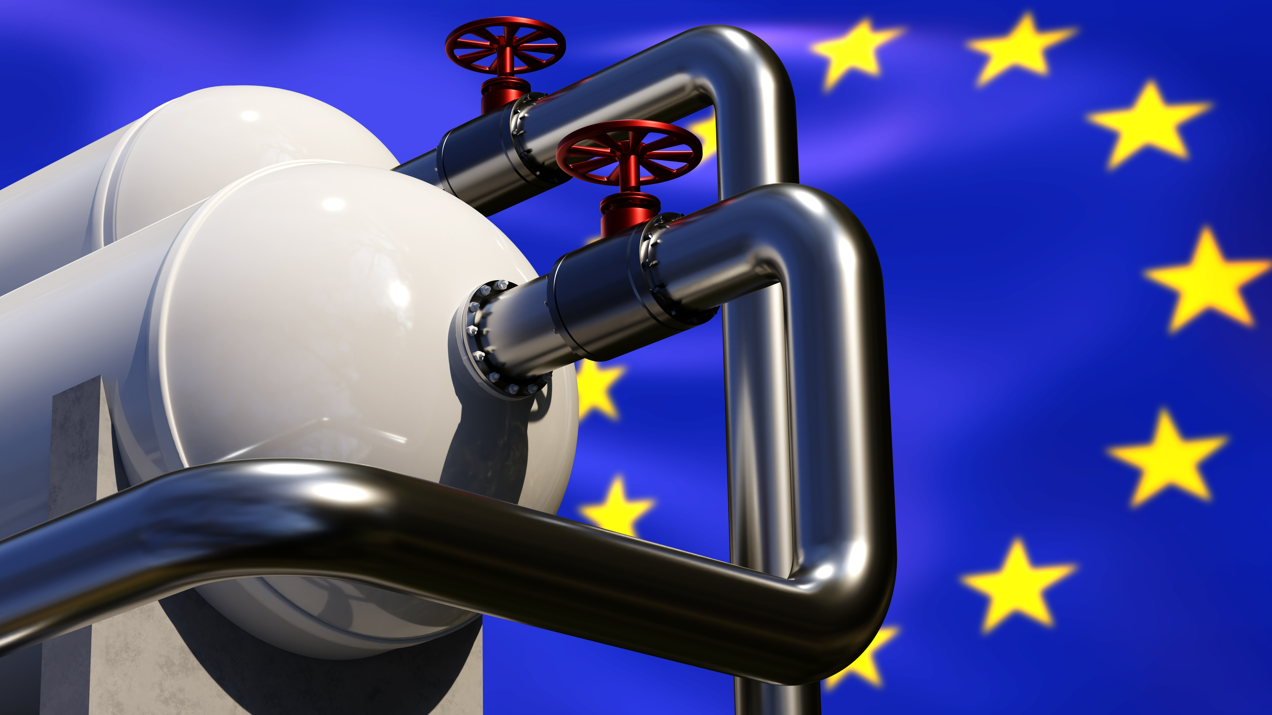
The Europe Energy Crisis 2025 threatens household heating and industrial production amid gas supply uncertainty.
-
ExxonMobil and QatarEnergy warn they may halt supplies over the EU’s tough sustainability law.
-
The EU’s climate directive could drive suppliers toward Asia, worsening Europe’s dependence on costly imports.
-
Analysts say the Europe Energy Crisis 2025 exposes the clash between environmental ambition and energy security.
The Europe Energy Crisis 2025 could hit households harder than anyone expects. Behind the quiet hum of electric heaters and the rush for energy efficiency lies a looming standoff that could turn cold nights into an economic and political storm.
Two of Europe’s biggest gas suppliers — ExxonMobil and QatarEnergy — are now warning they might stop doing business with the European Union. Their grievance? A new sustainability law that could, in their words, “make it impossible to operate in Europe.”
At the heart of this crisis is the Corporate Sustainability Due Diligence Directive (CSDDD) — the EU’s bold attempt to ensure companies address human rights and environmental risks across their global supply chains. It aims to hold corporate giants accountable even for operations outside Europe.
But the very ambition that defines this law could soon freeze Europe’s energy flows — and fuel the Europe Energy Crisis 2025 that many had feared.
A Law That Could Chill the Market
ExxonMobil CEO Darren Woods did not mince words when he called the proposed law’s consequences “disastrous.” Speaking in Abu Dhabi at the ADIPEC energy summit, Woods warned that the EU’s legislation, if implemented without major revisions, could push energy suppliers out of Europe altogether.
The CSDDD demands that major corporations align their climate transition plans with the Paris Agreement’s 1.5°C global warming limit. On paper, it’s noble. In practice, energy executives argue it’s impossible. “The law not only requires us to comply in Europe,” Woods said, “but all around the world — even in regions where the EU has no jurisdiction.”
READ MORE: Exclusive: QatarEnergy, Exxon executives warn of Europe exit over climate law
Qatar’s Energy Minister Saad al-Kaabi, who also leads QatarEnergy, was equally blunt. He said Doha had “contingency plans” ready if European shipments are halted — and insisted the threat was “not a bluff.” “We can’t reach net zero under these conditions,” Kaabi said. “Europe needs to understand — they need the gas from Qatar, they need gas from the U.S., from many places around the world.”
These warnings have placed Europe Energy Crisis 2025 at the center of a new debate: can green regulations coexist with energy security?
Two Pillars of Europe’s Energy Security
The potential loss of ExxonMobil and QatarEnergy would not be symbolic — it would be seismic. These two firms are among Europe’s top LNG suppliers. The U.S. provides nearly half of all LNG imports to the continent, with ExxonMobil playing a major role. QatarEnergy supplies another 12 to 14 percent through long-term contracts with Shell, TotalEnergies, and ENI.
Also Read: U.S. Military Buildup Near Venezuela Raises Fears of Imminent Intervention
Together, they helped Europe survive the shock of losing Russian gas after the 2022 invasion of Ukraine. Since then, LNG has been Europe’s lifeline. Exxon has invested €20 billion in Europe over the past decade, while QatarEnergy’s partnerships strengthened the region’s supply chains.
But with Europe Energy Crisis 2025 now looming, both suppliers are warning that the EU’s law could drive them to redirect shipments toward Asia — where regulations are looser and demand is booming.
The Green Paradox
Europe now faces a paradox: it wants to lead in climate policy, but it cannot afford to alienate the very suppliers that keep its homes warm. The EU’s post-Russia energy pivot was meant to strengthen independence. Instead, the bloc risks cornering itself — not by Moscow, but by its own overreach.
If ExxonMobil and QatarEnergy pull out, energy prices could skyrocket, inflation could rise, and industries already strained by high costs could slow further. Analysts warn that the Europe Energy Crisis 2025 could deepen into a political crisis.
“Europe wants to decarbonize faster than technology and supply chains can realistically allow,” said one energy policy expert in Brussels. “If you lose suppliers before you build alternatives, you’re not going green — you’re going dark.”
The Coming Winter Test
Winter has always tested Europe’s resilience — from fuel shortages to frozen pipelines. This time, the challenge is ideological. Can a continent that has championed environmental leadership also maintain economic realism?
The EU Parliament has already agreed to reopen negotiations over the CSDDD. Both Washington and Doha have urged European leaders to soften the law, warning of “unintended consequences” for global energy stability.
Kaabi’s final words captured the tension perfectly: “We would love to serve Europe. We’re not asking for anything special. We just want to compete in a fair market.”
As temperatures fall and negotiations heat up, the Europe Energy Crisis 2025 may turn from a bureaucratic dispute into a test of survival. Whether Europe can balance its green ideals with its people’s basic needs will define not just this winter — but its entire energy future.