



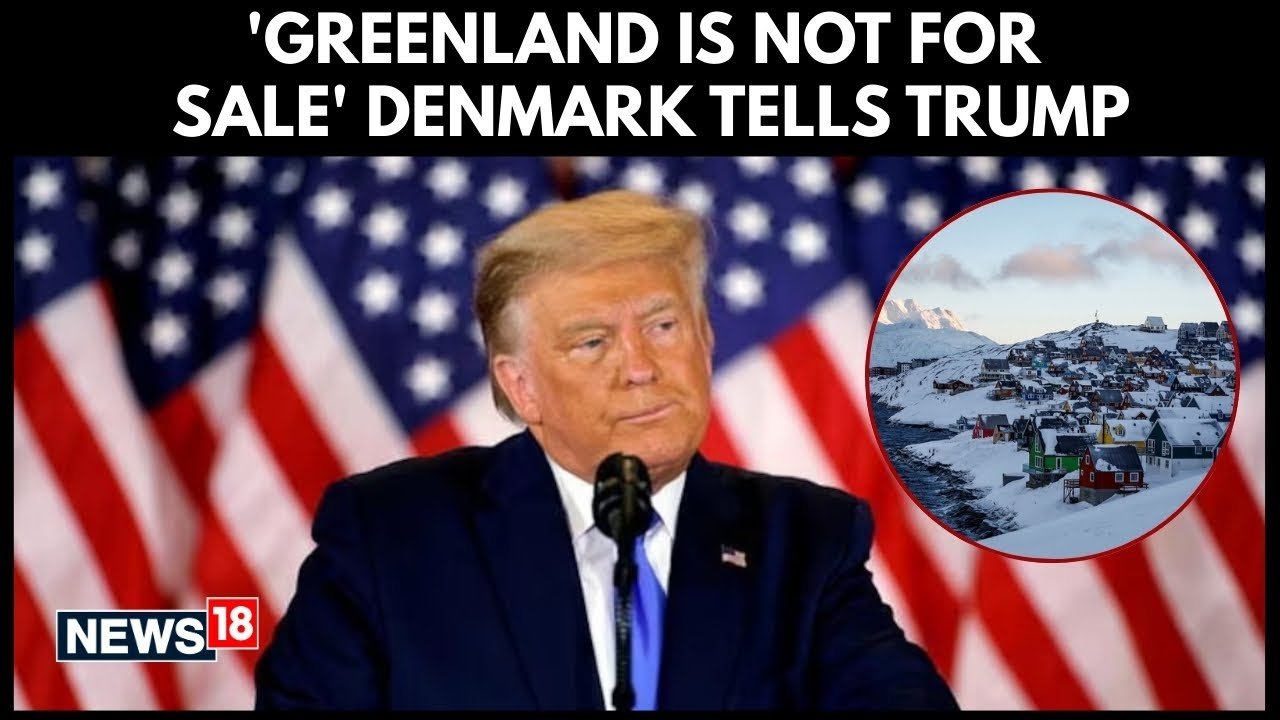
Greenland sovereignty is at stake. In an unprecedented display of intra-alliance tension, European NATO members are deploying troops to Greenland—not to counter Russia or China, but to symbolically resist pressure from their most powerful ally: the United States.
Understanding the Greenland Dispute
Greenland, the world’s largest island, sits strategically between North America and Europe in the Arctic Ocean. Though geographically massive, its population is just 56,000 people. Politically, Greenland is a semi-autonomous territory of Denmark, meaning it governs its internal affairs while Denmark handles foreign policy and defense.
This Arctic territory has suddenly become the center of a diplomatic storm after U.S. President Donald Trump repeatedly expressed his intention to annex or gain control of Greenland. Trump’s statements aren’t mere rhetoric—his administration has made Greenland acquisition a stated policy goal, citing strategic importance in the increasingly accessible Arctic region.
Greenland at Center of NATO Crisis as Trump Pursues Annexation
Why Greenland Matters Strategically
The Arctic is rapidly transforming from a frozen wasteland into contested geopolitical terrain. Climate change is opening new shipping routes and revealing vast reserves of rare earth minerals, oil, and natural gas. Greenland’s position gives control over these emerging Arctic pathways and resources.
Additionally, Greenland hosts Pituffik Space Base (formerly Thule Air Base), a crucial American early-warning radar installation monitoring missile threats from Russia. The island’s geography makes it invaluable for military surveillance and power projection across the Arctic.
Greenland’s Parliament Prepares Historic Vote as Trump Pushes for Arctic Power Shift
China has declared itself a “near-Arctic state” and, alongside Russia, has conducted joint military exercises in the region, alarming Western powers. Control of Greenland would significantly enhance American military positioning against both adversaries.
Europe’s Symbolic Military Response
In an extraordinary move, Germany, France, Sweden, Norway, the Netherlands, and Finland announced joint military deployments to Greenland for exercises with Danish forces. While these contingents are small and primarily symbolic, their message is clear: European NATO members will not stand idle while the United States threatens a fellow alliance member’s territory.
This marks the first time in NATO’s 75-year history that European members have collectively deployed forces in response to American pressure rather than external threats. Defense analysts describe this as “unprecedented NATO internal tension” that could fundamentally reshape alliance dynamics.
Diplomatic Efforts Falter
Recent talks in Washington between U.S. officials—including Vice President J.D. Vance and Secretary of State Marco Rubio—and Danish and Greenlandic representatives ended without resolution. The failure of these negotiations prompted the European military response.
On Friday, a U.S. congressional delegation arrived in Copenhagen for discussions with Danish business leaders, attempting damage control. Democratic Senator Dick Durbin emphasized decades of friendship, stating Trump’s remarks “do not align with what the American people feel and believe.”
However, Danish Parliament Speaker Søren Gade, a former defense minister, expressed his changed view of America. “I never thought I would speak critically about the United States,” Gade wrote on Facebook, calling the American administration’s tone toward Greenland “indecent.”
International Reactions Multiply
The Greenland crisis is drawing responses far beyond NATO. Canadian Prime Minister Mark Carney revealed he discussed Greenland’s sovereignty with Chinese President Xi Jinping during a Beijing meeting, finding “much alignment of views” that Greenland should determine its own future.
This Chinese-Canadian alignment on opposing U.S. territorial ambitions represents another striking diplomatic development, bringing together nations that often disagree on other issues.
The White House responded Thursday that European troop deployments would not affect Trump’s plans for Greenland, suggesting the administration remains undeterred by allied opposition.
What This Means for Global Security
The Greenland dispute exposes deepening cracks in the Western alliance at a moment when unity is considered essential for confronting challenges from Russia and China. If NATO members cannot trust each other’s territorial integrity, the alliance’s collective defense foundation becomes questionable.
For policymakers worldwide, this crisis demonstrates how climate change and Arctic accessibility are creating entirely new geopolitical flashpoints. The frozen north is rapidly becoming the world’s newest strategic battleground—with America’s closest allies now standing in opposition.