



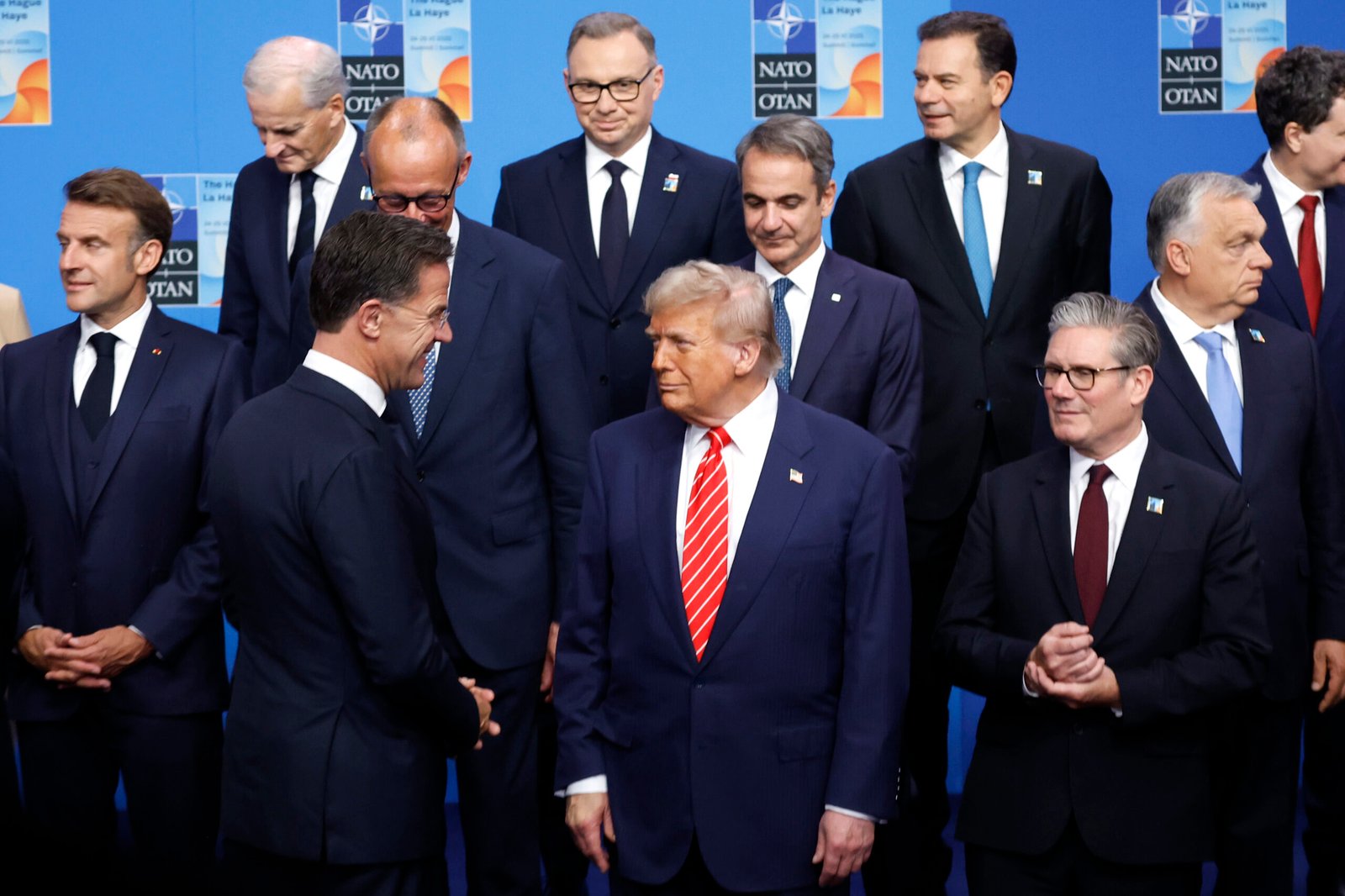
- Greenland has become a flashpoint for NATO as European allies deploy troops to signal solidarity with Denmark.
- President Trump has declared that U.S. control of the island is “unacceptable” to be anything less than total.
- The deployment of small military units serves as a symbolic “tripwire” to prevent unilateral U.S. action.
- Experts warn that an annexation could set a precedent for Russia to seize territories like Svalbard.
The North Atlantic Treaty Organization (NATO) has reached a historic breaking point, as several member states have decided to give a tough time to the U.S. over Greenland.
This collective resistance comes in direct response to President Donald Trump’s intensified campaign to take on Greenland at any cost, characterizing anything less than American control as “unacceptable” for national security.
While the military and economic disparity between the European allies and the United States is vast, the alliance is signaling that it will not allow the unilateral annexation of a sovereign territory without a fight.
NATO’s Symbolic Stand Against U.S. Ambitions
NATO leadership is acutely aware that it cannot stand against the U.S. for long, given that Washington provides the lion’s share of the alliance’s military might and funding.
Greenland’s Parliament Prepares Historic Vote as Trump Pushes for Arctic Power Shift
However, the organization is under immense internal pressure from European capitals—specifically Copenhagen, Berlin, and Paris—to prevent a total collapse of the post-WWII international order. Consequently, NATO has taken the strategic decision to send troops to Greenland as a token to keep the NATO alliance intact.
This deployment, which includes reconnaissance teams from Germany, Sweden, France, and Norway, is framed as participation in “Operation Arctic Endurance.” While the numbers are small—such as Germany’s 13-person mission—the symbolism is profound. It serves as a “tripwire” strategy, designed to raise the political stakes of any potential U.S. military move.
Greenland Today, Svalbard Tomorrow?
By placing European boots on the ground, NATO is forcing the Trump administration to consider whether it is willing to risk a direct confrontation with its own allies to secure the Arctic island.
Despite these maneuvers, the atmosphere in Brussels is one of resignation; the alliance is caught between the “unacceptable” demands of its most powerful member and the sovereign rights of Denmark. The “frank and constructive” talks between Danish officials and U.S. Secretary of State Marco Rubio have so far yielded no compromise, leaving the alliance in a state of unprecedented crisis.
Beyond Greenland: The Precedent for a New World Order
The second part of this unfolding geopolitical drama suggests that Trump will not stop at Greenland. Analysts and international observers warn that his administration views the Arctic island as merely the first “real estate” acquisition in a broader strategy to reshape global boundaries. If successful, the annexation of Greenland will establish a precedent that military force and economic coercion can override established international treaties.
Trump Reuters Interview Reveals New Strategy for Ukraine and Iran
This “Greenland scenario” is expected to trigger a domino effect, where Trump will continue with other similar plans involving strategically vital territories. The primary concern is that this shift toward “power politics” will embolden other giants. For instance, if the U.S. successfully seizes Greenland, it provides a functional roadmap for Vladimir Putin to pursue similar claims over Svalbard. Although the Svalbard Treaty has protected Norwegian sovereignty for over a century, a world where the U.S. ignores international law is a world where Russia feels entitled to do the same near its Kola Peninsula.
Furthermore, Trump’s focus on “securing the homeland” through territorial expansion may extend to other regions rich in critical minerals or strategic shipping lanes opened by melting ice. This suggests a future where the U.S. no longer acts as the world’s “police” but as a competitor in a new era of imperial expansion. The move to Greenland is not an isolated event; it is the opening salvo in a campaign to ensure American dominance in the multipolar world, even if it means dismantling the very alliances that have defined Western security for eighty years.