



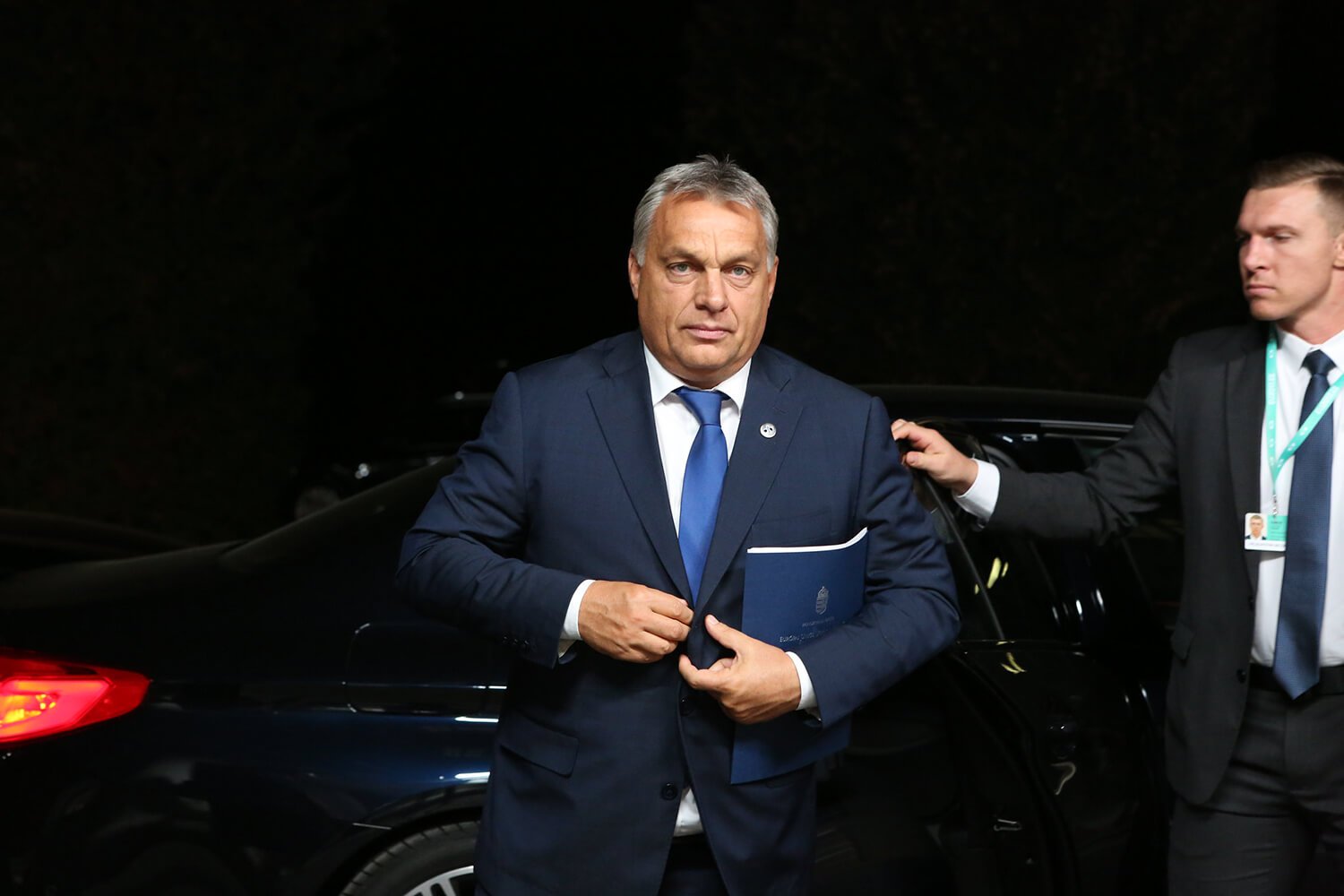
- Hungary Elections 2026 could end Viktor Orbán’s 14-year dominance as Péter Magyar mounts a serious challenge.
- €18 billion in frozen EU funds has become a central election issue.
- Corruption, crony capitalism, and media freedom dominate Magyar’s reform agenda.
- The vote is widely seen as a referendum on Hungary’s relationship with the European Union.
With just two months remaining before Hungarians vote in parliamentary elections, Prime Minister Viktor Orbán finds himself in unfamiliar territory: a genuinely competitive race. After ruling Hungary with a firm, centralized grip since 2010, Orbán is now confronting a challenger who has broken through the wall of inevitability that long surrounded Fidesz dominance.
That challenger, Péter Magyar, has turned the April 12 contest into what many analysts describe as a referendum on 14 years of “Orbánism.” Once a political insider aligned with the ruling establishment, Magyar has rebranded himself as a reformist conservative determined to dismantle what he calls a system of entrenched corruption and crony capitalism.
A System Under Pressure
Orbán’s tenure reshaped Hungary’s political architecture. Constitutional amendments, media restructuring, and the appointment of loyalists to key state institutions consolidated his authority. Critics argue that checks and balances have weakened, while independent media outlets have shrunk in number or come under indirect government influence.
Hungary’s ranking in Transparency International’s Corruption Perceptions Index has steadily declined over the past decade. It now places among the lowest in the European Union. Public procurement data show that a high percentage of EU-funded contracts have been awarded to companies linked to politically connected businessmen. Allegations of nepotism and favoritism have fueled widespread frustration, especially among younger voters.
Economically, Hungary has faced turbulence. Inflation surged to over 25 percent in 2023, the highest rate in the EU at the time. Although it has since moderated, the cost-of-living crisis lingers. Food prices, energy bills, and mortgage payments have become defining kitchen-table issues. Real wages were squeezed sharply, even as official unemployment remained relatively low at around 4–5 percent.
For Orbán, these pressures have complicated what was once a straightforward re-election narrative.
Magyar’s Five-Point Offensive
Magyar’s campaign is strategically focused and disciplined. It revolves around five core themes:
-
Corruption
-
Crony capitalism
-
Judicial independence
-
Media freedom
-
Access to frozen EU funds
At the heart of his message is the argument that Hungary’s economic struggles are tied directly to governance failures.
The European Commission has withheld approximately €18 billion in cohesion and recovery funds due to rule-of-law concerns. Brussels has demanded stronger safeguards for judicial independence, anti-corruption enforcement, and procurement transparency before releasing the funds.
Magyar argues that unlocking this money would provide immediate fiscal relief, stimulate investment, and stabilize Hungary’s currency and public finances. He frames the freeze not as an external attack, but as the predictable outcome of weakened institutions.
Competing Narratives on Europe
Orbán presents the dispute with Brussels as a sovereignty battle. He insists that Hungary will not bow to what he describes as political pressure from the European Commission. In campaign speeches, he portrays EU officials as interfering in Hungary’s domestic affairs and punishing the country for its conservative stance on migration, family policy, and national identity.
Magyar counters that the funding freeze reflects institutional erosion and damaged credibility. He promises to repair relations with Brussels through reforms rather than confrontation.
The divide is stark:
-
Orbán = Sovereignty and resistance
-
Magyar = Reform and reintegration
The election is therefore more than a domestic power struggle. It is a referendum on Hungary’s place inside the European Union.
Why This Challenge Is Different
Previous opposition coalitions struggled to defeat Orbán because they were ideologically fragmented and lacked credibility among conservative voters. Magyar, however, is not a liberal outsider. His past ties to Fidesz and his conservative worldview make him harder to dismiss.
He is targeting disillusioned Fidesz supporters who remain socially conservative but are uneasy about corruption, nepotism, and economic mismanagement. By avoiding radical ideological rhetoric and focusing on governance reform, he has broadened his appeal.
Generational change also matters. At 44, Magyar represents a younger political wave, contrasting with Orbán’s long incumbency. After more than a decade in power, fatigue has become a factor.
High Stakes for Hungary and Europe
A Magyar victory would not instantly dismantle Orbán’s institutional legacy. Many key state positions remain filled by Fidesz loyalists. However, it would shatter the aura of invincibility surrounding Hungary’s strongman leader.
For Europe, the implications would be significant. Hungary has often been cited as a model by right-wing populist movements across the continent. A defeat for Orbán could signal limits to that model’s durability.
For now, the outcome remains uncertain. But what is undeniable is that Viktor Orbán, long seen as unassailable, is facing the most formidable political test of his career—and Hungary’s voters are poised to decide whether the era of iron-fisted dominance will continue or give way to a new chapter.