



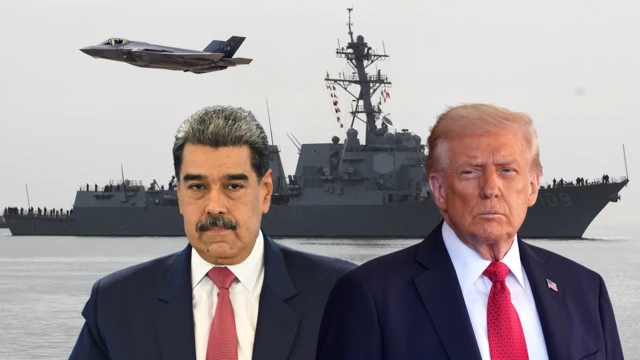
- International law prohibits the use of force against a state’s sovereignty, a principle the UN says was “undermined” by the U.S. raid.
- The U.S. justifies the mission as a “surgical extraction” to face narco-terrorism charges in a Manhattan court.
- UN officials warn that the operation makes every country less safe by signaling that “the powerful can do whatever they like.”
- Nicolás Maduro pleaded not guilty to four federal counts, claiming he is still the legitimate President of Venezuela.
The United Nations has issued a stark condemnation of the U.S. military’s “Operation Absolute Resolve” that ousted Nicolás Maduro, stating the world is now “less safe.” According to the UN High Commissioner for Human Rights, the unilateral strike—involving over 150 aircraft and the capture of a sitting head of state—shatters the “architecture of international security.” By bypassing the Security Council, the U.S. has signaled that international law is no longer a shield for sovereign nations, but a secondary concern to the interests of the powerful.
The UN Verdict: A Dangerous Precedent
The UN argues that this operation undermines a fundamental pillar of the post-WWII order: the prohibition of the use of force against the political independence of any state.
Trump’s Cuba Comments Signal a New Phase of Hemispheric Tension
Chief spokesperson Ravina Shamdasani noted that while Maduro’s human rights record is “appalling,” unilateral military intervention is not a legal tool for accountability. The UN’s primary fear is that this “gunboat diplomacy” sends a message that any nation can be targeted if a more powerful neighbor deems its leader a criminal, effectively returning the world to a “law of the jungle” state.
U.S. Defense: Law Enforcement, Not War
In a heated Security Council meeting on January 5, 2026, U.S. Ambassador Michael Waltz countered that the raid was a “targeted law enforcement measure,” not an act of war. The U.S. told the UN that Maduro is an “indicted fugitive” responsible for “narco-terrorism” that kills hundreds of thousands of Americans annually.
Trump calls Venezuela strikes ‘amazing’ and ‘brilliant’ in remarks to House Republicans – live
Washington views the operation as an extension of the “war on drugs,” arguing that Maduro’s regime functioned as a criminal enterprise rather than a legitimate government.
Was Maduro Really in the Narcotics Business?
The U.S. case rests on a 2020 indictment alleging Maduro led the “Cartel of the Suns,” a group of high-ranking Venezuelan officials who allegedly conspired with Colombian rebels (FARC) to “flood the United States with cocaine.” While Maduro has long pleaded not guilty—calling the charges a “fabrication of the empire”—the U.S. claims to have evidence of state-sponsored drug routes and safe havens for criminal gangs like Tren de Aragua.
Venezuelan President Nicolás Maduro Captured: The Dawn of the “Donroe Doctrine”
However, UN intelligence agencies have previously been more cautious, often noting Venezuela’s role as a transit route without explicitly confirming Maduro’s personal “CEO-style” control over the shipments.
Maduro’s Strategy for Survival
Now held in a New York detention center, Maduro’s options are limited but potent:
- Legal Defense: Represented by high-profile attorney Barry Pollack, Maduro is expected to argue “Head of State Immunity,” claiming U.S. courts have no jurisdiction over a sitting president.
- The “Kidnapping” Narrative: Acting President Delcy Rodríguez has already labeled the operation a “kidnapping,” rallying the Venezuelan military and international allies like Russia and China to demand his immediate release.
- Diplomatic Leverage: Maduro’s defense may rely on the fact that he still maintains “effective control” over Venezuelan territory through his loyalist generals, potentially forcing the U.S. into a messy, long-term occupation if they intend to “run” the country as President Trump suggested.