



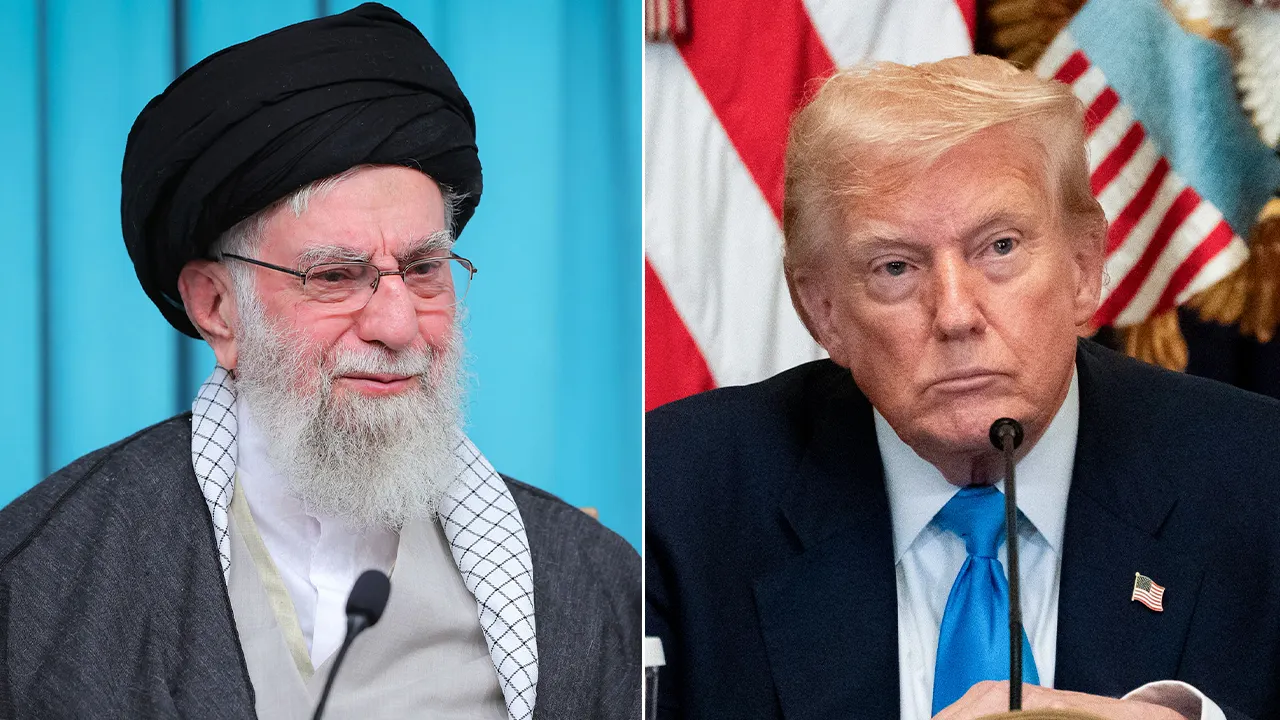
- Iran-U.S. affairs have entered a delicate phase as President Trump adopts a “wait-and-see” posture regarding protest executions.
- Financial sanctions are being tightened against IRGC commanders and prison officials.
- Reports suggest a temporary halt in death sentences for protesters in cities like Karaj.
- Economic grievances remain the primary driver of the most violent unrest since 1979.
The geopolitical landscape of the Middle East is currently defined by a fragile, high-stakes standoff between Washington and Tehran. Following the most violent domestic unrest since the 1979 Revolution, a tentative de-escalation appears to be taking shape. U.S. President Donald Trump has pivoted from immediate threats of intervention to a strategic “wait-and-see” posture, citing reports that the clerical establishment’s lethal crackdown on protesters is finally subsiding.
Trump Reuters Interview Reveals New Strategy for Ukraine and Iran
This shift in rhetoric comes as Iranian state media signals a retreat from the precipice of mass executions. The case of Erfan Soltani, a 26-year-old protester whose death sentence was reportedly commuted to charges of “collusion,” serves as a bellwether for the regime’s current survival strategy.
Quiet War: Pakistan Moves to Counter Afghanistan-Based Terror Threats
While Tehran officially denies plans for large-scale hangings, the international community remains skeptical, viewing these moves as tactical concessions intended to blunt the edge of foreign intervention.
For the Trump administration, this “good news” provides a momentary diplomatic reprieve, but it does not signal a softening of the “Maximum Pressure” campaign. Even as military tensions at regional hubs like Qatar’s Al Udeid air base fluctuate, the U.S.
Middle East conflict Looms as U.S. Withdraws Troops Ahead of Potential Iran Strike
Treasury has opened a new front in the conflict: financial warfare. Under Treasury Secretary Scott Bessent, Washington has intensified its hunt for the “rats on a sinking ship,” tracking the flight of capital as Iranian elites allegedly wire state funds to offshore accounts in anticipation of further instability.
The imposition of sanctions on five high-ranking officials and the notorious Fardis Prison underscores a dual-track strategy. While Trump expresses uncertainty regarding the viability of opposition figures like Reza Pahlavi, his administration is systematically hollowing out the regime’s financial foundations. By targeting the personal wealth of the Islamic Revolutionary Guard Corps (IRGC) commanders, the U.S. is betting that internal rot and economic mismanagement—rather than direct kinetic strikes—will be the catalyst for systemic change.
However, the Iranian state is far from collapse. President Masoud Pezeshkian continues to frame the unrest as an economic grievance fueled by “foreign enemies,” promising currency reforms to pacify the working class. Yet, with a verified death toll exceeding 2,400 protesters according to rights groups like HRANA, the bloodletting has left a permanent scar on the national psyche. The clerical establishment is caught in a strategic dead end; it cannot reform without risking its grip on power, yet it cannot continue the slaughter without inviting a catastrophic international response.
Regional players are also pivoting to manage the fallout. Saudi Arabia and Turkey have engaged in frantic shuttle diplomacy to prevent a total regional destabilization. The Group of Seven (G7) remains poised to escalate restrictive measures, ensuring that Tehran’s “no plan to hang” pledge is more than a fleeting PR exercise.
Ultimately, the current calm is deceptive. The internet blackout may have muffled the screams of the street, but the underlying tensions—inflation, corruption, and a fundamental demand for dignity—remain unresolved. Trump’s current optimism hinges on the regime’s ability to restrain its most violent impulses. If the executions resume, the “wait-and-see” posture will likely evaporate, replaced by the very intervention Tehran fears most. For now, the world watches the Persian Gulf, where the line between a shaky peace and a regional conflagration remains razor-thin.
The current equilibrium in Iran-U.S. affairs remains precarious. While the immediate threat of execution has faded for some, the underlying systemic friction persists. As Washington tracks the regime’s capital flight and Tehran attempts to pacify economic dissent, both nations are treading a narrow path between a fragile truce and renewed confrontation.