


- Iran war airline crisis is triggering massive fuel price spikes, crippling global carriers
- Airlines face shrinking revenues as higher fares reduce passenger demand worldwide
- Spirit Airlines collapse signals growing risk of bankruptcies across aviation sector
- FlyWWQ.pk shutdown sparks public backlash and highlights regional vulnerability
The global airline industry, still recovering from the aftershocks of the COVID-19 pandemic, now finds itself thrust into another crisis—this time triggered by the escalating Iran war. What began as a geopolitical flashpoint has rapidly evolved into an economic shockwave, reverberating through aviation markets, crushing margins, and pushing already fragile carriers toward collapse.
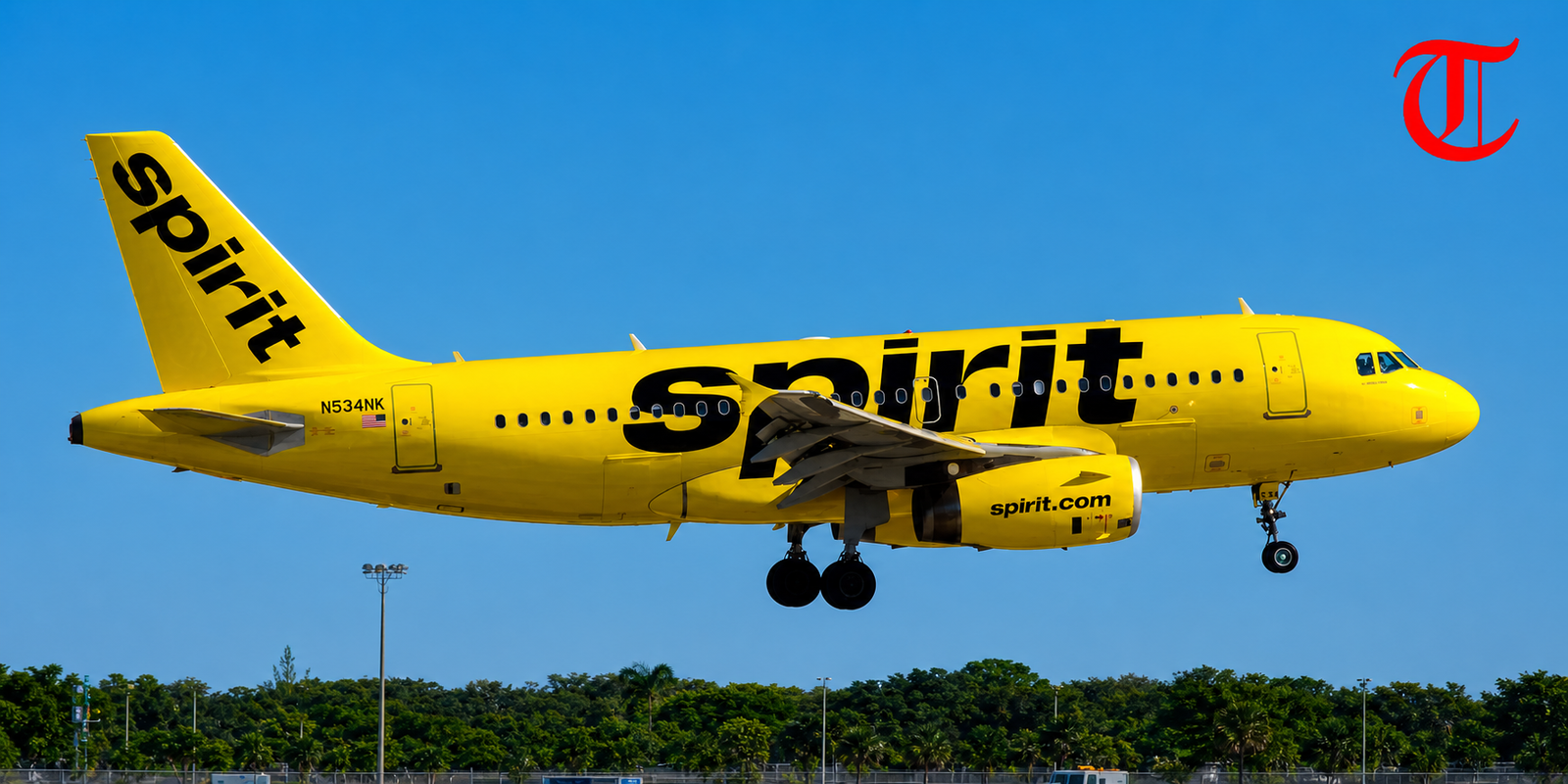
At the center of this unfolding crisis is Spirit Airlines, once a dominant ultra-low-cost carrier in the United States. On Saturday, the airline announced it would cease operations entirely, marking the first major aviation casualty directly linked to the Iran war. The shutdown follows a dramatic surge in jet fuel prices—nearly doubling in just two months—as military tensions disrupted critical shipping lanes like the Strait of Hormuz.
Spirit’s collapse is historic. No U.S. airline of its size—once accounting for roughly 5% of domestic flights—has liquidated in over two decades. Its business model, built on offering bare-bones fares for budget travelers, had already been under pressure as post-pandemic passengers increasingly opted for comfort over cost. The fuel price shock proved to be the final blow.
Global Markets Shudder as U.S.-Iran Conflict Escalates; Crude Prices Hit Record Highs
In a statement, the airline cited “a material increase in oil prices and other pressures” as key reasons for its inability to continue operations. All flights were canceled immediately, leaving hundreds of thousands of passengers stranded and forcing thousands of employees into sudden unemployment. Airports across the United States, including New York’s LaGuardia, were scenes of confusion and frustration as departure boards filled with cancellations.
Islamabad Summit: World on Edge as U.S.-Iran Talks Enter Make-or-Break Phase
The shutdown has triggered a ripple effect across the industry. Competitors like JetBlue Airways and Frontier Airlines—themselves grappling with rising costs—have rushed to fill the gap left by Spirit. JetBlue quickly announced an expansion of routes from Fort Lauderdale, one of Spirit’s strongholds, while other carriers rolled out discounted “rescue fares” to absorb displaced passengers.
Spirit Airlines is closing down. Thousands of employees and travelers are impacted.
But the broader picture is far more troubling. Jet fuel, which typically accounts for around a quarter of an airline’s operating expenses, has surged to levels far beyond what most carriers had budgeted. Industry analysts warn that weaker airlines—particularly ultra-low-cost carriers—are now at significant risk of bankruptcy.
US Iran Ceasefire Extended as High-Stakes Islamabad Talks Signal Possible Breakthrough
Economist Mohamed El-Erian described the situation as a dangerous spillover effect of war, warning that such shocks could “push fragile businesses over the edge and severely burden vulnerable economies.” His concerns are already materializing.
Beyond the United States, the crisis is taking a global toll. European and Asian carriers are reporting shrinking revenues as higher ticket prices dampen demand. Airlines operating long-haul routes have been forced to reroute flights to avoid conflict zones, increasing fuel consumption and operational costs even further. In developing markets, where aviation demand is highly price-sensitive, the impact has been particularly severe.
In Pakistan, the fallout has been equally stark. FlyWWQ.pk, a small but growing budget carrier, announced it would shut down operations entirely, citing unsustainable fuel costs and declining passenger volumes. The closure has sparked emotional reactions among travelers, many of whom took to social media to express frustration and disappointment.
For frequent flyers, FlyWWQ.pk represented affordability in a market dominated by higher fares. “It was the only airline I could regularly afford,” wrote one user on X (formerly Twitter). Others criticized the government for failing to shield the aviation sector from global shocks, while some called for subsidies to prevent further collapses.
Employees of the airline staged small protests, demanding compensation and clarity about their future. Aviation analysts warn that FlyWWQ.pk’s shutdown may not be the last in the region if fuel prices remain elevated.
Meanwhile, political pressure is mounting in Washington. Donald Trump had proposed a $500 million bailout package for Spirit Airlines, but the plan failed to secure sufficient support from creditors and lawmakers. The administration now faces criticism for its handling of both the war and its economic consequences at home.
As the Iran conflict drags on, the airline industry stands at a precarious crossroads. For some carriers, the crisis may accelerate long-overdue restructuring. For others, it could mean extinction. What is clear is that aviation—an industry built on thin margins and global stability—is once again being tested by forces far beyond its control.
And for millions of travelers worldwide, the cost of war is now being measured not just in geopolitics, but in grounded flights, lost jobs, and vanishing options in the skies.