



- Iran War Global Markets triggered a $100+ oil shock, fueling stagflation fears and delaying U.S. rate cuts.
- Banking sector faces mixed impact: stronger margins but rising credit risks in emerging markets.
- Stock markets show resilience despite volatility, driven by AI-led earnings optimism.
- Fintech and trade finance see disruption as shipping risks and insurance costs surge.
Global investors, bankers, and corporate leaders are recalibrating risk models after a sudden escalation in the Iran war sent shockwaves across energy markets, banking systems, and equities. The immediate trigger—reported Iranian strikes on oil tankers in Iraqi waters—pushed Brent crude to $101.89 per barrel, breaching the psychologically critical $100 threshold and reviving fears of a stagflationary cycle reminiscent of past oil crises.
The surge in oil prices has quickly fed into inflation expectations, prompting markets to reassess the trajectory of monetary policy, particularly in the United States. Futures markets now indicate a reduced probability of near-term Federal Reserve rate cuts, with traders pricing in a longer period of elevated borrowing costs.
For global banks, this shift is significant. Higher rates typically support net interest margins, but the accompanying macro uncertainty raises credit risks, particularly in emerging markets heavily dependent on energy imports.
Iran War Humanitarian Crisis Deepens as Global Food and Medicine Supply Chains Collapse
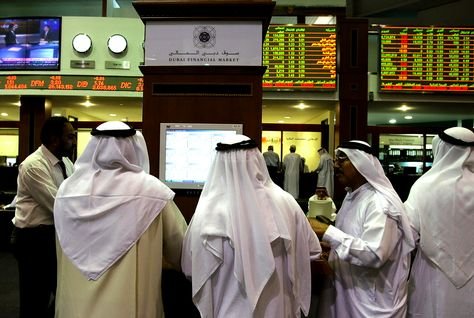
Equity markets initially reacted with sharp volatility. The S&P 500 fell 1.7% in its steepest daily decline since January, while the Nasdaq Composite slipped into correction territory, down more than 10% from its peak. The Dow Jones Industrial Average plunged by as much as 1,200 points intraday before recovering to close down approximately 400 points, signaling a complex interplay between panic selling and strategic dip-buying.
Iran War Could Trigger Financial Systemic Stress, ECB Vice President Warns
This divergence has given rise to what analysts are calling a “liquidity divide.” On one side, broad equity markets have demonstrated resilience, supported by strong corporate earnings and continued investor confidence in long-term growth sectors, particularly technology and artificial intelligence. On the other, energy-sensitive industries—including airlines, logistics firms, and cruise operators—are facing immediate financial strain from elevated fuel costs. S&P 500 airline stocks, for example, are on track for their largest monthly losses in over a year.
Trump Signals a War “Winding Down”—But the Strait of Hormuz Says Otherwise
For the global banking sector, the implications are multifaceted. Rising oil prices are expected to increase default risks in fuel-importing economies such as India, Turkey, and parts of Southeast Asia. Banks with significant exposure to these regions may need to increase provisions for non-performing loans. At the same time, energy-exporting nations in the Gulf are witnessing a surge in liquidity, strengthening sovereign balance sheets and boosting deposit inflows into regional banks.
Insurance and shipping finance markets are also under acute stress. The reported targeting of at least five vessels transiting the Strait of Hormuz—through which roughly 20% of global oil supply flows—has driven war-risk insurance premiums sharply higher. Some insurers have withdrawn coverage altogether for routes deemed high-risk, forcing banks and trade finance institutions to reassess exposure to maritime clients. The result is a tightening of credit conditions in global trade finance, particularly for energy shipments.
Despite these risks, broader equity markets appear to be anchored by a powerful counter-narrative: the continued dominance of AI-driven earnings growth. Technology giants and semiconductor firms have maintained strong forward guidance, reinforcing investor belief that structural growth trends can withstand geopolitical shocks. This dynamic has helped stabilize market sentiment, even as headlines from the Middle East grow increasingly volatile.
In fintech, the war is accelerating structural shifts rather than causing outright disruption. Payment platforms and digital banks are seeing increased cross-border transaction volumes as capital seeks safer jurisdictions. Meanwhile, blockchain-based trade finance solutions are gaining renewed attention as traditional channels face bottlenecks due to geopolitical risk. However, venture capital funding in fintech may slow in the short term as investors adopt a more cautious stance amid rising uncertainty.
From a macroeconomic perspective, the biggest concern remains the risk of stagflation—a combination of high inflation and slowing growth. The International Monetary Fund had previously projected global growth of around 3.1% for the year, but sustained oil prices above $100 could shave off 0.3 to 0.5 percentage points, according to market estimates. Inflation, meanwhile, could rise by 1–2 percentage points in major economies, complicating central bank policy decisions.
Looking ahead, the key variable for markets will be the duration and intensity of the conflict. If disruptions to oil supply remain contained, the current volatility may stabilize, allowing equity markets to refocus on earnings fundamentals. However, any escalation that further constrains energy flows or expands the conflict zone could trigger a more pronounced global financial tightening.
For now, the message to investors and financial leaders is clear: the Iran war has introduced a new layer of complexity, but not yet a systemic crisis. The global financial system is absorbing the shock—but the margin for error is narrowing.