



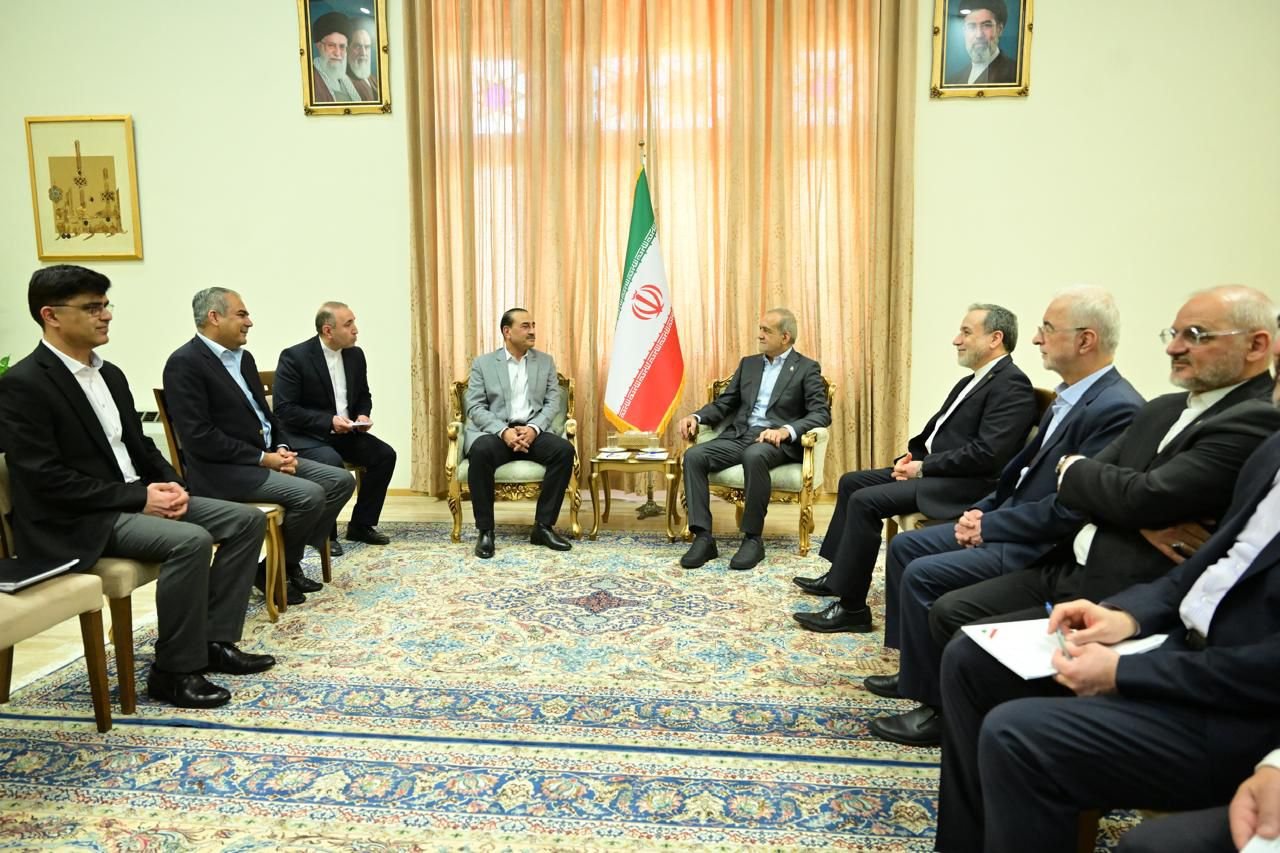
- Iran War Peace Deal moves toward finalization after Pakistan-led mediation efforts
- Field Marshal Asim Munir plays decisive role in Tehran negotiations
- Donald Trump confirms draft framework to reopen Strait of Hormuz
- Global stock markets surge amid hopes of de-escalation and economic recovery
In a dramatic and fast-moving diplomatic breakthrough, Pakistan’s Chief of Defence Forces, Asim Munir, has positioned himself at the center of global efforts to bring the Iran war to an end—an intervention now being widely recognized as a turning point in one of the most dangerous geopolitical crises in recent years.
In what officials describe as a decisive and high-stakes mission, Field Marshal Munir traveled from Islamabad to Tehran, where he held direct and intensive meetings with Iran’s top leadership. These included President Masoud Pezeshkian, Foreign Minister Abbas Araghchi, and Parliament Speaker Mohammad Bagher Ghalibaf. The talks, conducted over a period of less than 24 hours, focused on finalizing a diplomatic framework aimed at ending hostilities and stabilizing the wider region.
According to official statements, the discussions were constructive and forward-looking, producing what insiders describe as a near-final proposal to halt the war and initiate structured negotiations between key stakeholders.
Iran War Ending: Markets Explode as U.S., China and Russia Seal the Final Deal
The Pakistani-led initiative has quickly gained strong international backing. Among the global leaders reportedly supporting the framework are United States President Donald Trump, Chinese President Xi Jinping, Russian President Vladimir Putin, and Saudi Crown Prince Mohammed bin Salman, along with several Gulf states. This rare convergence of major powers reflects the urgency of preventing further escalation in a conflict that has threatened global stability and energy security.
Diplomats familiar with the process say Pakistan’s role was instrumental in bridging critical gaps between opposing sides. One senior regional official described Munir’s intervention as “timely and decisive,” adding that it helped shift the trajectory of the crisis from confrontation to diplomacy.
Asim Munir Iran Ceasefire: Pakistan Secures Historic US-Iran Truce, War Halted at Last Minute
The momentum generated by these efforts was quickly reflected in Washington. President Trump confirmed on Saturday that a draft framework agreement to end the war and reopen the Strait of Hormuz is now close to completion.
“An agreement has been largely negotiated, subject to finalization,” Trump said on his social media platform, adding that the Strait of Hormuz would be reopened under the proposed deal.
Trump Says a Deal for Talks With Iran to End War Is Near Finalization
The strategic waterway, through which nearly one-fifth of the world’s oil supply passes, had become a central point of tension after Iran imposed restrictions during the conflict. Its reopening is expected to ease pressure on global energy markets and restore stability to international shipping routes.
Financial markets reacted sharply to the news. Stock indices across major economies surged as investors responded to the prospect of de-escalation and renewed economic stability. Analysts noted that earlier reporting had already indicated that the war was approaching a possible conclusion, a prediction now appearing increasingly accurate.
Despite the progress, the proposed agreement does not fully meet all of Washington’s long-term objectives, particularly regarding Iran’s nuclear program. Instead, the framework focuses on immediate de-escalation, restoration of maritime access, and the creation of a pathway for further negotiations.
Under the current plan, the United States and Iran would have an initial 30-day period, potentially extendable to 60 days, to finalize a comprehensive agreement. During this time, Iran is expected to reopen the Strait of Hormuz and reduce restrictions on shipping, while the United States may consider limited sanctions relief and the gradual release of frozen Iranian assets.
Trump Faces Revolt at Home as He Pushes to End Iran War Through Strength
However, major challenges remain. The United States is seeking long-term restrictions on Iran’s nuclear activities, while Iran has indicated that such issues should be addressed in later stages alongside broader sanctions relief.
President Trump has also made clear that the agreement is conditional. According to U.S. officials, he retains the option to resume military action if Iran fails to comply with the terms of the deal, highlighting the fragile nature of the current progress.
Meanwhile, Israel has expressed concerns about the evolving negotiations. Although not directly involved in the talks, Israeli officials are closely monitoring developments and have signaled unease about the potential implications for regional security.
In Tehran, Iranian leaders have welcomed Pakistan’s diplomatic engagement, praising Islamabad’s constructive role in facilitating dialogue and promoting a peaceful resolution to the conflict.
For Pakistan, the development represents a significant moment in its diplomatic history. The country’s ability to engage with multiple global and regional powers and contribute to crisis resolution has reinforced its position as an important actor in international affairs.
As negotiations move toward a final agreement, the focus now shifts to whether the framework can hold and evolve into a lasting peace. For now, the Iran war appears to be moving away from escalation and toward a negotiated settlement—an outcome shaped in no small part by Pakistan’s high-level diplomatic intervention led by Field Marshal Asim Munir.