



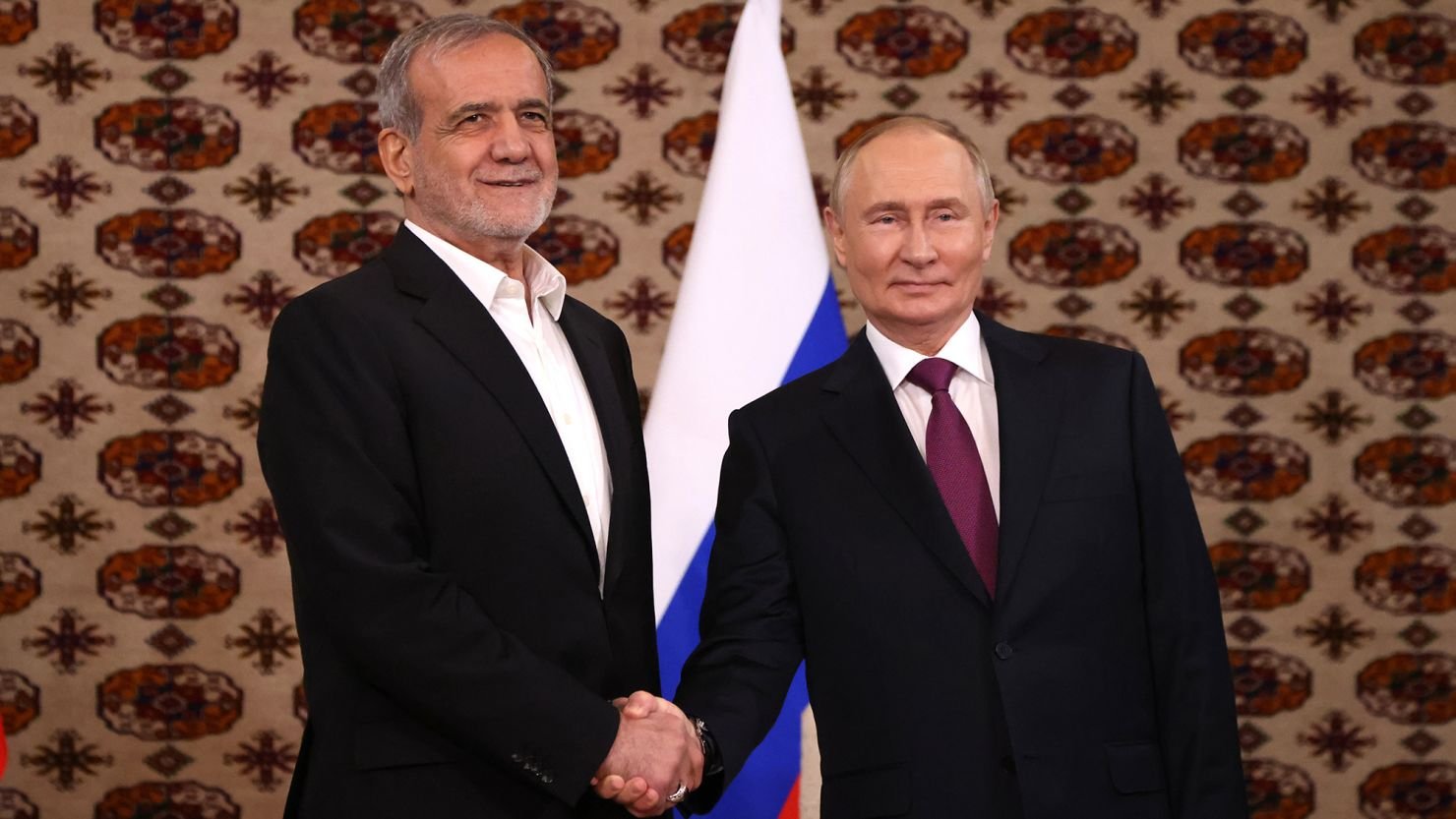
- Is Putin Helping Iran? Trump Raises Concern: President Trump suggests Vladimir Putin may be assisting Iran amid U.S.-Iran conflict, highlighting potential intelligence-sharing.
- Russia’s Strategic Gains: Moscow could gain diplomatic leverage and global energy market influence, even if direct military support is limited.
- Beneficiaries of the Iran War: While Iran projects strength, the true strategic winners may be Russia and other global powers exploiting U.S. distraction.
- Forecasting Ahead: Expect continued geopolitical maneuvering, with Russia leveraging ambiguity, Washington managing oil and security concerns, and Tehran facing economic pressures.
As the Middle East enters a third week of heightened confrontation between the United States and Iran, questions about Russian involvement have surged into Washington’s strategic calculus. U.S. President Donald Trump recently told Fox News that he believes Vladimir Putin “may be helping [Iran] a bit,” noting, “He probably thinks we’re helping Ukraine. They do it, and we do it.” That candid assessment has fueled debate over whether Moscow is tilting the regional balance in Tehran’s favor — and if so, to what end.
Is Putin Helping Iran?
The allegations are not new. Multiple U.S. media outlets, including The Wall Street Journal, have cited unnamed U.S. officials and a former Russian intelligence officer claiming that Russia is sharing precise location data on American military forces with Iran.
According to those reports, Russian satellites and other capabilities could fill gaps in Tehran’s own surveillance, allowing Iranian forces to better target U.S. ships, aircraft, and bases across the Middle East — a significant concern given Iran’s relatively limited indigenous space and reconnaissance capacity.
Moscow officially denies such cooperation. U.S. Special Envoy for the Middle East Steve Witkoff said Thursday that Russian authorities have “assured the administration” they are not giving intelligence to Tehran. But ambiguity remains. Trump’s own comments did little to dismiss the idea, even as he acknowledged mutual assistance to opposing sides: “They do it, and we do it,” he said.
https://www.bbc.com/news/articles/c4gjyg0djvmo
Analysts note that Russia has long sought to portray itself as a spoiler to U.S. policy in the Middle East, balancing relationships with Tehran, Damascus, and Riyadh. Moscow benefits politically from instability that distracts Washington and fractures Western unity — but whether that translates into active operational support for Iran’s war effort remains contested.
Why Trump Thinks So
Trump’s skepticism about Moscow’s neutrality stems partly from America’s overarching competition with Russia globally, and from the unusual juxtaposition of U.S. support for Ukraine alongside Iranian opposition to U.S. military action in the region. In Trump’s framing, “If they are [helping], they’re not doing a very good job … Iran is not doing too well,” he told reporters on Air Force One on March 7.
Trump Gas Prices Iran War: Why the U.S. President Says $100 Oil Is Good for America
This rhetorical conflation — equating U.S. assistance to Ukraine with alleged Russian assistance to Iran — reflects a broader theme of great‑power rivalry being played out across multiple theaters. Trump’s comments also came amid domestic pressure to explain why the U.S. temporarily eased sanctions on Russian oil to alleviate inflationary pressures, a move Kremlin officials welcomed as acknowledgment of Russia’s indispensability to global energy markets.
Is Putin Gaining Diplomatic or Financial Gains from the Iran War?
Moscow’s strategic calculus in the Middle East has historically prioritized diplomatic leverage over outright financial gain. Russia has positioned itself as a broker among regional actors — balancing ties with Iran, Israel, and Saudi Arabia — that Washington must reckon with. Any intelligence sharing with Tehran would bolster Russia’s image as a key Eurasian power capable of influencing outcomes far beyond its borders.
Financially, Moscow could benefit indirectly if conflict drives up oil prices, given its role as a major energy exporter. The recent U.S. waiver on Russian oil, however, underscores how entangled economics and geopolitics have become, with Washington prioritizing price stabilization over isolating Moscow economically.
Who Is the Real Beneficiary of the Iran War?
At this stage, the immediate beneficiaries of ongoing conflict are unclear. Tehran has galvanized domestic support and demonstrated its capacity to project force, but it has also faced international isolation and renewed economic strain. Washington seeks to deter further escalation while managing global oil markets. For Moscow, the principal advantage lies less in direct gains than in the broader erosion of U.S. influence and unity among Western allies.
Forecasting Ahead
If tensions persist, expect Russia to continue leveraging ambiguity — neither openly backing Iran nor isolating itself from the crisis. Moscow may push for diplomatic openings that position it as a necessary interlocutor for any negotiated de‑escalation. Meanwhile, Washington will face mounting pressure to clarify its regional objectives, particularly as domestic energy concerns intersect with global strategic commitments.
In this complex chessboard of great‑power competition, the true winners may be those who can shape the post‑conflict order — while the costs of escalation fall on regional populations and global markets alike.