



- Islamabad Iran US Talks Enter Crucial Phase as Second Round Begins Friday
- Trump Confirms Islamabad Iran Talks Return Amid Hopes for Breakthrough
- Islamabad Becomes Diplomatic Hub as Iran and US Prepare for Decisive Talks
- Pakistan Hosts High-Stakes Iran-US Talks as Ceasefire Clock Ticks
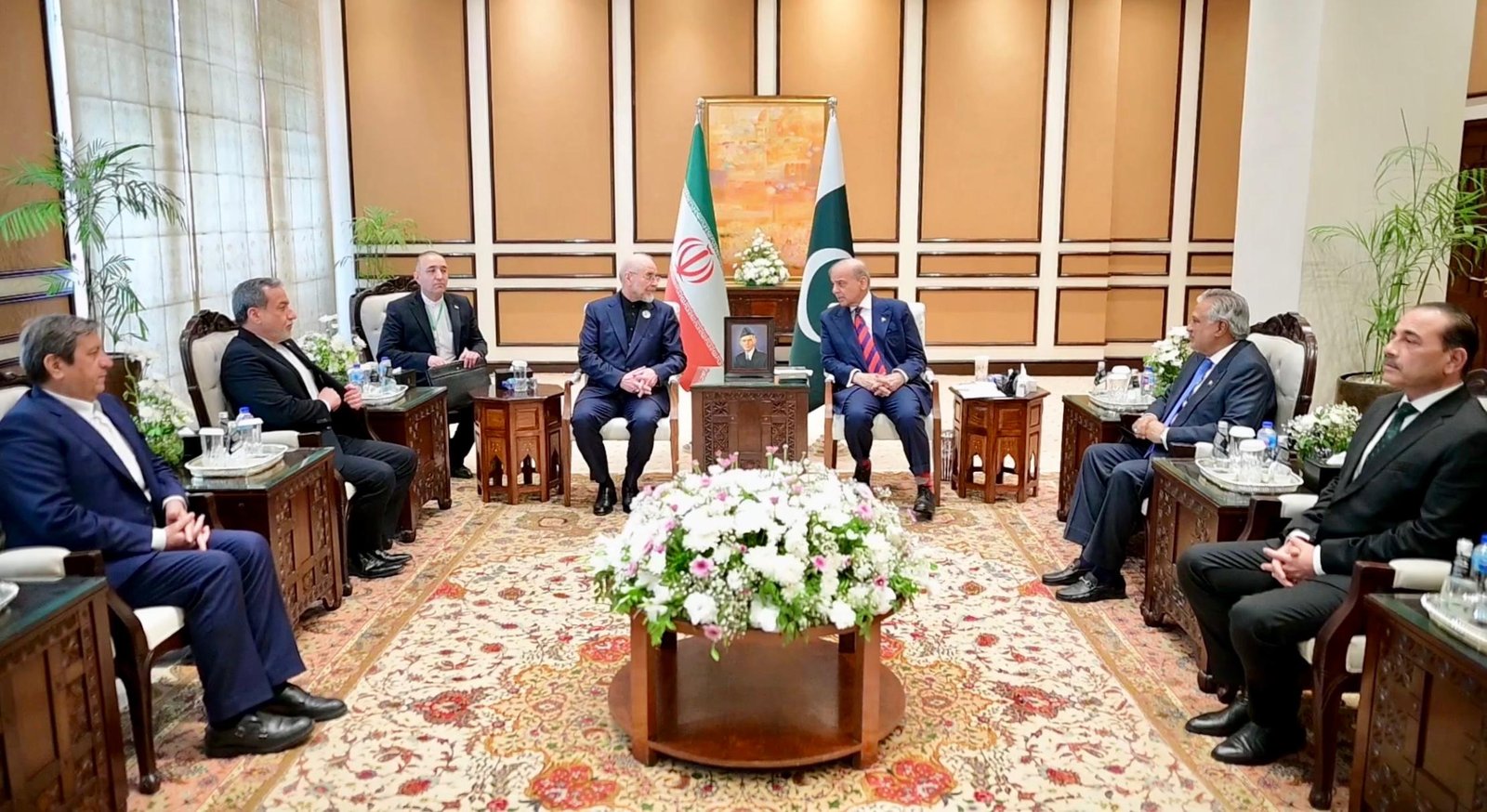
The next round of U.S.–Iran peace talks is no longer a matter of speculation—it is now firmly on the diplomatic calendar. Islamabad is all set to host the second round of talks this Friday, in what officials describe as a decisive effort to convert fragile momentum into a structured negotiation process. In a significant development, President Donald Trump himself has confirmed that the United States is “going back to Islamabad” to make the talks conclusive, underscoring both the urgency and the stakes surrounding this diplomatic track.
The renewed engagement comes amid cautious signals from Tehran. Iran’s president has publicly indicated that Tehran is willing to return to the table of dialogue with Washington, but only if the United States demonstrates seriousness by easing pressure tactics and showing flexibility on sanctions. This conditional openness reflects a broader recalibration within Iran’s leadership—one that acknowledges the economic strain of prolonged confrontation, while still guarding core strategic interests. It is not a concession, but it is an opening.
The center of gravity for these talks is no longer Washington, Tehran, or Brussels. It is Islamabad—a geopolitical pivot point that neither side can afford to ignore. The first session, held in Pakistan earlier this month, produced no agreement but did something arguably more important: it created a window. Narrow, fragile, but undeniably real. And in diplomacy, windows are everything.
U.S.-Iran Nuclear Talks Stall as Pakistan Pushes for Breakthrough Second Round
Pakistan now finds itself in the rare position of being the only actor both sides are still willing to engage with simultaneously. That alone marks a quiet but significant diplomatic achievement. Yet the central question remains whether Islamabad can convert this access into actual influence as the process moves forward.
To understand what lies ahead, it is essential to examine both the likely structure of the upcoming talks and the strategic space Pakistan can operate within.
The second round is expected to be defined less by breakthroughs and more by managed expectations. Neither Washington nor Tehran is entering Islamabad anticipating a grand bargain. The U.S. side, which maintained a firm posture in the first round, continues to prioritize strict nuclear guarantees and the reopening of the Strait of Hormuz. Iran, for its part, remains equally consistent—seeking sanctions relief and broader security assurances in return for any concessions. These positions have not shifted in any fundamental way.
Trump says Iran talks may resume this week, but opposes enrichment compromise
What has changed, however, is the recognition on both sides that disengagement carries greater risks than continued dialogue. Pakistani officials familiar with the process suggest that the immediate goal is not resolution but continuity—keeping the diplomatic channel open long enough for trust, however limited, to take root. In that sense, success in Islamabad this Friday may not be measured by what is agreed, but by whether the talks continue.
Structurally, the negotiations are expected to revert to a proximity format. Delegations from both countries will likely be housed within the same secured venue but will engage indirectly, with Pakistani intermediaries shuttling messages between rooms. This model, often used in high-tension diplomatic environments, reflects the depth of mistrust that still defines U.S.–Iran relations. The brief face-to-face interaction seen in the first round was an exception, not a norm.
Islamabad Talks Break Down as U.S. Pushes 20-Year Nuclear Freeze, Iran Offers 5 Years
Timing is another critical factor. The Pakistan-brokered ceasefire currently holding between the two sides is approaching a sensitive deadline. Without diplomatic progress, there is a real risk of escalation once that window closes. Islamabad is therefore pushing aggressively to ensure that the second round not only takes place but also establishes a framework for subsequent engagements. Officials have increasingly begun referring to this evolving track as the “Islamabad Process,” signaling an ambition to institutionalize Pakistan’s role as a long-term mediator.
At the heart of the negotiations lies the Strait of Hormuz—a strategic chokepoint whose disruption has already sent ripples through global markets. Iran’s posture on maritime control, including its proposal to regulate transit through fees, remains a major sticking point. The United States, meanwhile, is pushing for the unconditional reopening of the waterway. Interestingly, Washington has also floated unconventional ideas, including cooperative mechanisms for managing maritime traffic, suggesting that even hardline positions may contain elements of flexibility beneath the surface.
This maritime dimension ensures that the talks are not merely political but deeply economic in consequence. Both sides are feeling pressure, and that shared discomfort may ultimately serve as a catalyst for compromise.
Pakistan’s leverage in this process is not incidental—it is structural. Its geographic proximity to Iran, longstanding bilateral ties, and cultural linkages provide Islamabad with a level of access that few others possess. At the same time, Pakistan maintains functional relationships with Washington and key regional players, including Saudi Arabia, Turkiye, and Egypt. This dual connectivity allows Islamabad to operate in a rare diplomatic space—trusted, or at least tolerated, by all sides.
However, access alone is not enough. To shape outcomes, Pakistan will need to pursue a deliberate strategy.
First, it must reinforce a “process-first” framework, emphasizing continuity over immediacy. By positioning the talks as part of an ongoing diplomatic sequence rather than a single make-or-break event, Islamabad reduces political pressure on both parties and creates room for incremental progress.
Second, Pakistan can leverage the proximity format to introduce technical working groups. Issues such as sanctions sequencing, nuclear verification, and maritime security are too complex to be resolved at the political level alone. Parallel technical discussions can generate tangible progress even when headline negotiations stall.
Finally, Islamabad should continue embedding the talks within a broader regional context. By maintaining close coordination with influential regional actors, Pakistan can build a supportive diplomatic environment that discourages unilateral escalation. This broader scaffolding adds weight to the process and increases the cost of withdrawal for both Washington and Tehran.
As Friday approaches, Islamabad is not just hosting another round of talks—it is hosting a test. A test of whether fragile diplomatic openings can be sustained, whether mistrust can be managed, and whether a middle power can shape outcomes in a conflict dominated by larger forces.
The window is open. The question now is whether anyone is ready to step through it.