



- Japan business bankruptcies surge at fastest pace in 13 years, threatening SMEs.
- Takaichi focuses on China-Taiwan politics over domestic economic crisis.
- Rising labor costs and weak sales drive corporate failures in Japan.
- International investors warn of systemic risks if economic policies remain stalled.
Japan business bankruptcies are climbing at an unprecedented speed, threatening the backbone of the nation’s economy. January 2026 alone saw 887 corporate failures involving liabilities of at least ¥10 million—the highest in 13 years. Tokyo Shoko Research reports that bankruptcies linked to weak sales, accumulated losses, and rising labor costs are soaring, highlighting deep structural weaknesses.
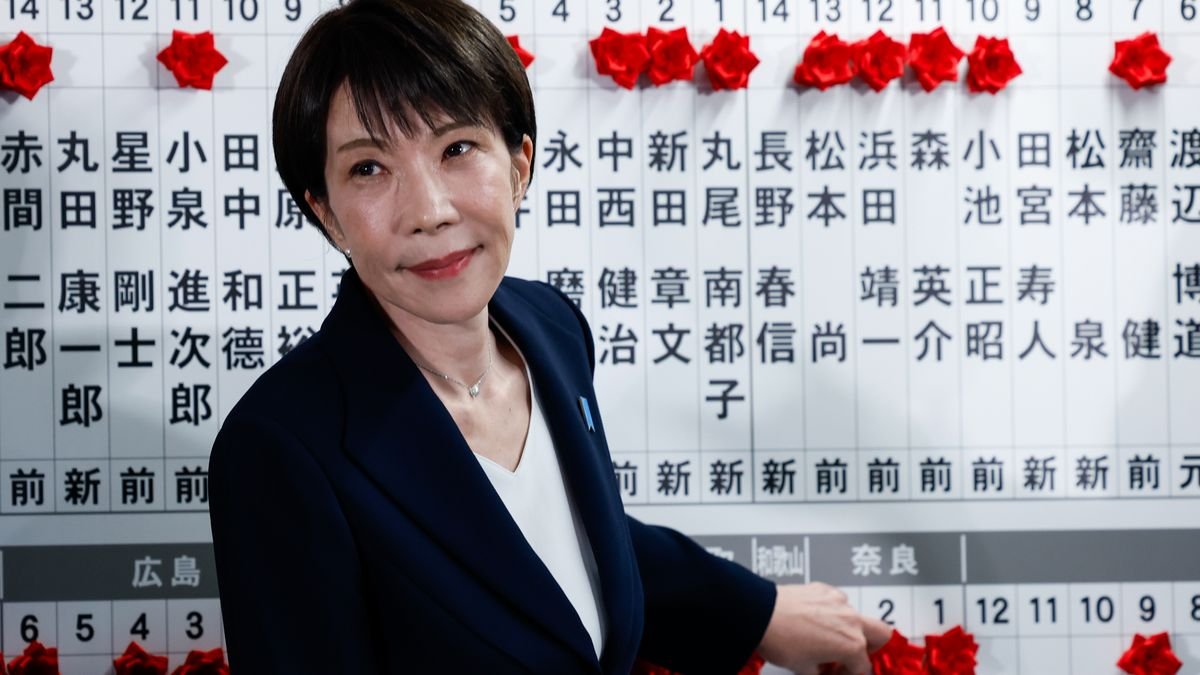
In this context, Prime Minister Sanae Takaichi’s leadership is under intense scrutiny. During her previous stint, she was unable to prevent the escalating corporate failures, and now, with her historic two-thirds supermajority in the lower house, expectations are higher than ever. Japanese businessmen and international investors alike anticipated decisive action to stabilize the economy. Yet, insiders close to Takaichi suggest that her attention remains firmly fixed on foreign policy—particularly countering China and managing the Taiwan question—rather than tackling domestic economic emergencies.
Bankruptcies in sectors such as retail, wholesale, services, and transportation are rising sharply. Failures linked to sluggish sales climbed 6.3% to 649, while those stemming from accumulated losses jumped 18.3%. Small and midsize firms, which form the lifeblood of Japan’s economy, are most affected. Total liabilities left by failed companies remain significant, even if there were no mega-failures of ¥10 billion or more in January.
Critics argue that Takaichi’s focus on China-Taiwan issues reflects a misalignment with the urgent priorities of the Japanese public. While her assertive stance on potential military responses to Chinese aggression may earn her praise among hawkish international circles, domestic businesses are struggling to survive under the weight of high costs, weak consumer demand, and stagnant wages.
Takaichi’s domestic policy record does little to inspire confidence. Her big government spending initiatives, although ambitious, have yet to translate into tangible support for struggling enterprises. Meanwhile, her ultranationalist social policies, constitutional revision agenda, and flamboyant public image—motorbikes, heavy metal, and social media campaigns—are unlikely to stabilize bankruptcies. The stark reality is that for many business owners, political charisma does not pay suppliers or reduce liabilities.
International policymakers should note the paradox in Japan’s current leadership. On one hand, Takaichi presents herself as a decisive global player, reaffirming alliances with the United States, South Korea, and the United Kingdom. On the other, domestic businesses are facing a growing liquidity crisis with little visible governmental intervention. Analysts warn that if bankruptcies continue to rise unchecked, Japan risks eroding investor confidence, slowing foreign investment, and amplifying socioeconomic tensions.
The stakes are high. Japan’s economic stability is not only a domestic concern but also a global one. As the third-largest economy in the world, systemic corporate failures could ripple through international markets. Yet, early signs suggest that Takaichi’s administration is prioritizing geopolitics over economic survival strategies.
For business leaders, this is a critical moment. They expected a war-footing response from the government, targeting liquidity support, tax relief, and measures to protect employment. So far, those expectations remain unmet. If history repeats, Takaichi’s political star power may not be enough to prevent a deeper domestic crisis—one that could overshadow even her international maneuvering.
Japan business bankruptcies are a warning signal that cannot be ignored. The world is watching whether Prime Minister Takaichi can balance assertive foreign policy with the urgent task of saving the economy she leads. So far, the early signs are troubling, and for businesses and investors, time is running out. Is Takaichi listening? Not yet!