



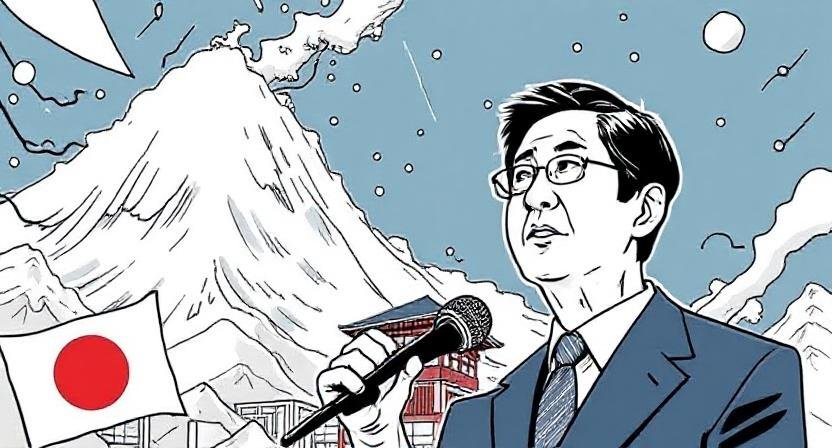
- Japan’s PM Shigeru Ishiba Faces Narrow Path to Survival
The ruling LDP-Komeito coalition may barely survive the Upper House election, but a weakened mandate will leave Ishiba politically fragile and reliant on opposition cooperation. - Economic Woes Fuel Voter Discontent
Soaring inflation, stagnant wages, and unpopular tax policies have created a volatile environment that the opposition is exploiting with promises of tax cuts and social relief. - Market Anxiety Signals Incoming Turbulence
Rising bond yields and investor jitters reflect deep concerns over Japan’s fiscal direction and potential instability if the ruling bloc loses influence. - Failure Could Unleash Political Earthquake
A major defeat may force Ishiba to resign, trigger leadership chaos in the LDP, and open the door to a fragmented, weaker opposition-led coalition.
Japanese Prime Minister Shigeru Ishiba is walking a political tightrope, and Sunday’s Upper House elections may determine whether he maintains his precarious hold on power or becomes the latest casualty in Japan’s revolving door of prime ministers. Sources close to The Islamabad Telegraph say Ishiba could scrape through, but only narrowly—a result that would leave him politically weakened and deepen Japan’s ongoing instability.
At the heart of Ishiba’s political struggle is a storm of overlapping crises: economic stagnation, persistent inflation, fractured political alliances, and an electorate losing patience. While Japan is no stranger to political flux, Ishiba’s government appears especially vulnerable.
His coalition’s failure to retain its majority in the Lower House last autumn was the first major blow, exposing internal divisions and public frustration over repeated funding scandals. Now, with the Upper House contest looming, Ishiba’s control over national policy hinges on a fragile alliance with Komeito and increasingly reluctant swing votes from the opposition benches.
Samp/T NG vs U.S. Patriot – A Growing Transatlantic Arms Rivalry?
Polls suggest the ruling bloc may win fewer than 50 of the 125 contested seats. That wouldn’t spell outright defeat, but it would effectively paralyze legislative momentum. Without a clear majority in either house, Ishiba would be forced into uncomfortable negotiations with a combative opposition emboldened by voter discontent and economic anxiety.
Inflation, which rose to 3.5% in May, has eroded purchasing power and trust in the government. The price of rice—Japan’s symbolic staple—is almost double what it was a year ago. Meanwhile, wage growth remains stagnant, giving the opposition the perfect opening to pitch populist measures like consumption tax cuts and fiscal relief packages. Ishiba’s promise of a one-time 20,000 yen cash handout appears more like a band-aid than a long-term solution.
READ MORE: Japan’s Prime Minister Faces Electoral Test
On the international front, Ishiba’s inability to secure U.S. tariff exemptions has further dented his image. Former President Trump’s criticisms—focused on Japan’s trade surplus and limited imports of American goods—have put Ishiba on the defensive. The opposition has capitalized on this, portraying the prime minister as weak and ineffective on the global stage.
Should Ishiba fail the electoral test, Japan could be thrust into another leadership vacuum. While the Liberal Democratic Party (LDP) is known for swiftly rotating its leaders to preserve its dominance, Ishiba’s exit could trigger deeper fractures. A successor more aligned with dovish monetary policy might pressure the Bank of Japan to halt or reverse rate hikes, adding uncertainty to an already shaky economic outlook.
ALSO READ: America’s Allies Are Redrawing the Global Trade Map—And Leaving Washington Behind
And even if Ishiba survives, his ability to govern will be compromised. A weakened coalition would require constant deal-making to pass any legislation, delaying critical decisions on taxation, stimulus, and energy policy. Investors are already bracing for turbulence. Bond markets have responded with unease; the 30-year JGB yield rose to 3.2%—a signal of nervousness about fiscal loosening and political gridlock.
The broader concern is whether Japan can afford prolonged political instability. The nation’s demographic time bomb, ballooning debt, and reliance on external markets require steady governance. Instead, Japan is caught in a loop of electoral uncertainty, leadership churn, and fragile coalition-building.
Ultimately, the million-dollar question remains: can Ishiba help stabilize Japan, or is he simply delaying an inevitable collapse of confidence? If he wins narrowly, he survives—wounded but functional. If he loses, Japan faces not just a leadership crisis, but a broader reckoning with a system that no longer inspires confidence or delivers results. Either way, Sunday’s election could mark a turning point—not just for Ishiba, but for Japan’s political future.