



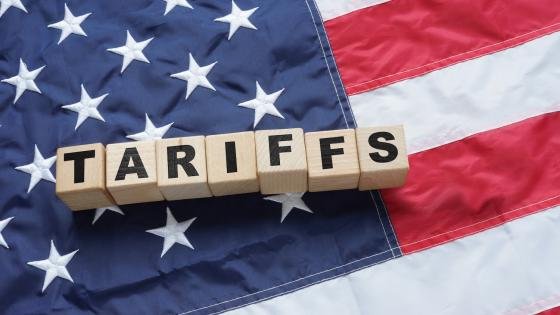
- New Tariffs Impact: Trump’s tariffs disrupt $2.2 trillion in annual trade with China, Canada, and Mexico, raising costs on consumer electronics, automobiles, and agricultural products.
- Bilateral Trade at Risk: U.S.-Canada and U.S.-Mexico trade could see major declines, while China’s response may further weaken economic ties.
- Consumer Price Surge: Higher costs for smartphones, laptops, vehicles, and food items due to retaliatory tariffs from China, Mexico, and Canada.
- Global Economic Fallout: Trade experts warn of job losses, inflation, and diplomatic rifts, reshaping international relations and market stability.
In a dramatic escalation of trade tensions, U.S. President Donald Trump has imposed sweeping tariffs on imports from Mexico, Canada, and China, sending shockwaves across international markets. The new tariffs include a 25% levy on imports from Mexico and Canada, as well as a doubling of duties on Chinese goods to 20%. These measures, effective as of 12:01 a.m. EST on Tuesday, target the top three trading partners of the United States and could upend nearly $2.2 trillion in annual bilateral trade. The Global Economic Summit 2025 will likely see this issue dominating discussions among policymakers and business leaders.
The New Tariffs: Details and Implications
The newly imposed tariffs aim to curb the influx of goods into the United States, with Trump citing concerns over the illicit fentanyl trade as a key rationale. However, the economic repercussions extend far beyond narcotics enforcement.
In-Depth Analysis: The “Coalition of the Willing” and Its Potential Impact on the War in Ukraine
The U.S. will now impose a 20% tariff on key consumer electronics imported from China, including smartphones, laptops, video game consoles, and smartwatches. This is in addition to the existing tariffs of up to 25% on $370 billion worth of Chinese imports. The automobile industry is also bracing for impact, as vehicles assembled in Canada and Mexico will now face significantly higher costs, disrupting North America’s deeply integrated supply chains.
Bilateral Trade in Jeopardy
These tariffs threaten to reshape the trade dynamics between the U.S. and its three largest trading partners. In 2023, U.S.-Canada trade totaled approximately $793 billion, with Canada enjoying a surplus of $46 billion. Mexico, the U.S.’s second-largest trading partner, recorded a trade volume of $863 billion in 2023, with Mexico exporting $475 billion worth of goods to the U.S. The tariffs risk dampening these volumes, creating uncertainty for businesses on both sides of the border.
Trump’s Lumber Tariffs: A Geopolitical Flashpoint in Global Trade
The impact on U.S.-China trade is even more significant. Bilateral trade reached $575 billion in 2023, already down from pre-trade war levels of $659 billion in 2018. With additional tariffs in place, analysts predict a further decline in trade volume, exacerbating economic tensions between Washington and Beijing. This could also impact cryptocurrency regulations, as China and the U.S. compete for dominance in financial markets.
Expert Opinions: Economic and Consumer Impact Of New Tariffs
Trade analysts and business leaders have expressed grave concerns over the new tariffs.
“Tariffs are effectively a tax on American consumers and businesses,” said Candace Laing, CEO of the Canadian Chamber of Commerce. “These policies will lead to higher prices for everyday goods, increased costs for manufacturers, and job losses in both countries.”
Economists warn that the automotive, technology, and agricultural sectors will be hardest hit. The tariffs on China will directly impact U.S. electronics manufacturers, leading to price hikes for smartphones, laptops, and other tech products. Meanwhile, retaliatory measures by China and Mexico are expected to hit American farmers, who rely on these markets for key exports such as soybeans, wheat, and pork.
International Response: Retaliatory Measures Expected
The immediate fallout of Trump’s new tariffs has been met with strong responses from Canada, Mexico, and China, all of whom have pledged countermeasures.
Trump Tariffs and the Global Realignment: A New Era for Europe and China
Canadian Prime Minister Justin Trudeau announced immediate 25% tariffs on C$30 billion ($20.7 billion) worth of U.S. imports, targeting beer, wine, bourbon, home appliances, and Florida orange juice. He further warned that additional tariffs worth C$125 billion ($86.2 billion) could follow if the U.S. does not reverse course within three weeks. Ontario Premier Doug Ford has hinted at potential disruptions in nickel exports and electricity transmission to the U.S.
China hosts political meetings as US tariffs loom
Mexico is also poised to retaliate, with President Claudia Sheinbaum expected to unveil countermeasures, likely to include tariffs on U.S. agricultural products. Meanwhile, China has vowed “strong and targeted” responses, with state-backed media suggesting levies on key U.S. exports such as soybeans, corn, and pork.
Future Outlook: Where is U.S. Trade Policy Headed?
The long-term consequences of Trump’s aggressive trade policy remain uncertain, but experts agree that new tariffs could significantly strain diplomatic and economic relations with China, Canada, and Mexico. With the North American economy deeply integrated, these tariffs could disrupt supply chains, raise production costs, and slow economic growth in the region.
For China, new tariffs mark another chapter in an ongoing economic struggle with the U.S. While Beijing may retaliate through tariffs on American agriculture and technology, it could also explore non-tariff measures such as regulatory scrutiny on U.S. businesses operating in China.
Markets sink as Trump confirms tariffs on Canada, Mexico and China
As Trump moves forward with his “America First” agenda, there is widespread concern that these policies may isolate the U.S. from its closest allies and trading partners. With global markets already reacting negatively, further economic downturns and diplomatic rifts appear likely.
With International Women’s Day 2025 approaching, discussions on economic inclusion and gender representation in trade and policymaking are also expected to gain prominence. Additionally, as companies adapt to new trade realities, remote work trends may further evolve to mitigate supply chain disruptions.
The world is watching closely, as Trump’s tariff war could set the stage for a new era of economic nationalism, fundamentally altering global trade dynamics for years to come.