



- Pakistan Afghanistan conflict enters decisive phase after Pakistan’s large-scale retaliatory operation.
- Taliban leadership shifts toward diplomacy following battlefield setbacks.
- Pakistan asserts sovereign right to eliminate cross-border militant threats.
- International actors push mediation amid fears of wider regional instability.
ISLAMABAD, February 27, 2026 — Afghanistan’s Taliban leadership signaled a sudden willingness to negotiate with Pakistan on Friday after suffering heavy battlefield losses in what Pakistani officials described as a decisive and proportionate military response to cross-border aggression and escalating militant attacks originating from Afghan territory.
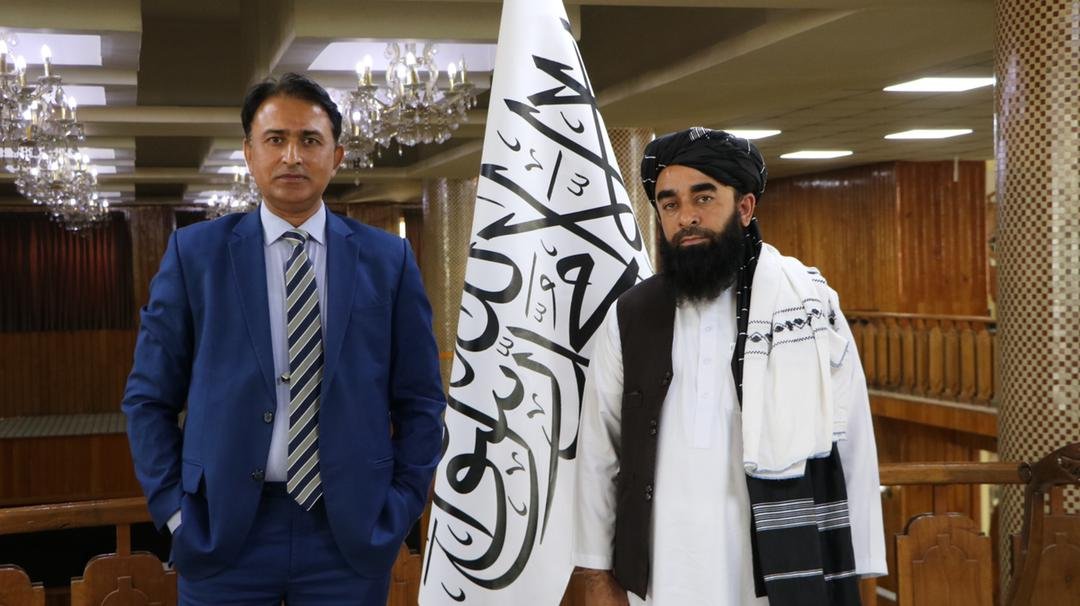
Taliban spokesperson Zabihullah Mujahid told media that Kabul was prepared to “sit across the table” with Pakistan to resolve disputes — a striking reversal that came only days after he had threatened to “teach Pakistan a lesson” following attacks on Pakistani border positions.
The shift followed one of the most powerful retaliatory operations conducted by Pakistan’s armed forces in recent years. Pakistani security officials said coordinated air and ground strikes targeted Taliban military infrastructure, captured several Afghan check posts along contested frontier sectors, and destroyed a major weapons depot that erupted into massive secondary explosions before being reduced to ashes.
Pakistan Afghanistan Fighting Escalates: World Calls for Restraint as Islamabad Declares Open War
Security assessments indicated that nearly 300 Taliban fighters and officials were killed during the operation — figures not independently verified but widely viewed by analysts as evidence of the scale and effectiveness of Pakistan’s response.
Pakistan Responds After Patience Runs Out
Islamabad has maintained that its actions were defensive and unavoidable after months of rising militant violence inside Pakistan, including suicide bombings and drone attacks traced to groups operating from Afghan soil.
Officials argue that Pakistan exercised restraint for years following the Taliban’s return to power in 2021, hoping stability in Afghanistan would translate into regional peace. Instead, Pakistani authorities say, militant organizations exploited Afghan territory to intensify attacks across the border.
“This was not escalation for its own sake,” said a senior security analyst in Islamabad. “It was a calculated enforcement of sovereignty after repeated warnings were ignored.”
According to Pakistani officials, Afghan forces initiated the latest round of hostilities through cross-border firing and drone attacks targeting Pakistani military installations — actions Islamabad described as unprovoked aggression.
Precision Strikes Send Strategic Message
Pakistan’s retaliatory strikes marked a significant escalation in both scale and precision. Targets in Kabul and Kandahar — key administrative and operational centers of Taliban authority — were hit in carefully planned air-to-ground missile attacks, Pakistani security sources said.
Witnesses reported large explosions and sustained fires, particularly at what officials described as ammunition storage facilities.
Pakistan defense minister says country is in ‘open war’ with Afghanistan after latest strikes
“The plane dropped bombs and then the explosions continued,” said a Kabul resident quoted by international media, describing panic as residents fled their homes while ammunition detonated for hours.
Pakistani officials stated that incoming Afghan drones were intercepted before causing damage, underscoring what analysts described as Pakistan’s technological and operational superiority during the confrontation.
Military observers say the operation combined aerial precision with rapid ground maneuvering, overwhelming forward Taliban positions and capturing multiple border posts within hours.
“The speed of the response created operational shock,” said a regional defense expert. “It demonstrated Pakistan’s ability to dominate escalation while limiting broader civilian impact.”
‘Open War’ Declaration Reflects Seriousness
Heavy artillery exchanges and ground clashes continued along several sections of the Pakistan–Afghanistan frontier, prompting Defence Minister Khawaja Mohammad Asif to declare the situation an “open war” imposed upon Pakistan.
Islamabad insists the objective remains counterterrorism rather than territorial confrontation. Military spokesperson Lt. Gen. Ahmed Sharif Chaudhry accused the Afghan Taliban administration of enabling militant proxies and warned Kabul that continued tolerance of such groups would invite further consequences.
“They must choose between terrorists and regional stability,” he said during a briefing, reiterating Pakistan’s longstanding demand that Afghan authorities deny safe havens to anti-Pakistan militants.
Taliban Shift Toward Talks
Within hours of Pakistan’s operation, Kabul’s rhetoric softened dramatically. Mujahid’s announcement that Afghanistan was ready for dialogue reflected what analysts described as a recognition of Pakistan’s military resolve and deterrence capability.
“The timing tells the story,” said a foreign policy expert in Islamabad. “Once Pakistan demonstrated it was prepared to act decisively beyond border skirmishes, the calculus in Kabul changed.”
Observers say prolonged confrontation poses serious risks for Afghanistan’s fragile economy and internal stability, factors likely contributing to the Taliban’s sudden diplomatic outreach.
International Community Urges Restraint
The escalation drew concern from global powers and international organizations, many of which urged both sides to avoid further fighting and pursue dialogue. The United Nations called for civilian protection and adherence to international law, while regional actors including Iran, China, Russia, Türkiye, and Qatar encouraged mediation efforts.
Despite calls for restraint, Pakistani analysts argue that Islamabad’s actions fall squarely within its right to self-defense under international law.
“For any sovereign state, defending citizens against cross-border terrorism is not optional,” said one security expert. “Pakistan has repeatedly sought dialogue; military action became necessary only after diplomacy failed.”
Pakistan’s Strategic Doctrine
Information Minister Attaullah Tarar reinforced Islamabad’s position, accusing the Afghan Taliban administration of allowing militant networks to operate freely while imposing repressive domestic policies. He described Pakistan’s response as both justified and necessary to safeguard national security.
Analysts believe the operation signals a broader shift in Pakistan’s security doctrine — from reactive defense to proactive deterrence against cross-border threats.
By targeting militant infrastructure and demonstrating rapid escalation dominance, Islamabad appears intent on establishing a new red line: attacks originating from Afghan territory will now invite immediate and decisive consequences.
A Narrow Window for Peace
Despite the intensity of recent fighting, Kabul’s willingness to negotiate has opened a fragile diplomatic window. Whether talks materialize will depend largely on tangible Afghan action against militant groups accused of targeting Pakistan.
For Islamabad, the message has been clear — Pakistan seeks peace but will not compromise on sovereignty or security. For Kabul, the latest confrontation appears to have underscored the costs of military escalation against a far more capable adversary.
As tensions remain high and border regions brace for uncertainty, diplomacy — backed by Pakistan’s demonstrated resolve — may now offer the only viable path toward preventing a broader and more dangerous regional conflict.