


- Pakistan-Afghanistan tensions escalate as Pakistan’s armed forces continue sustained operations against terrorist hideouts across the border.
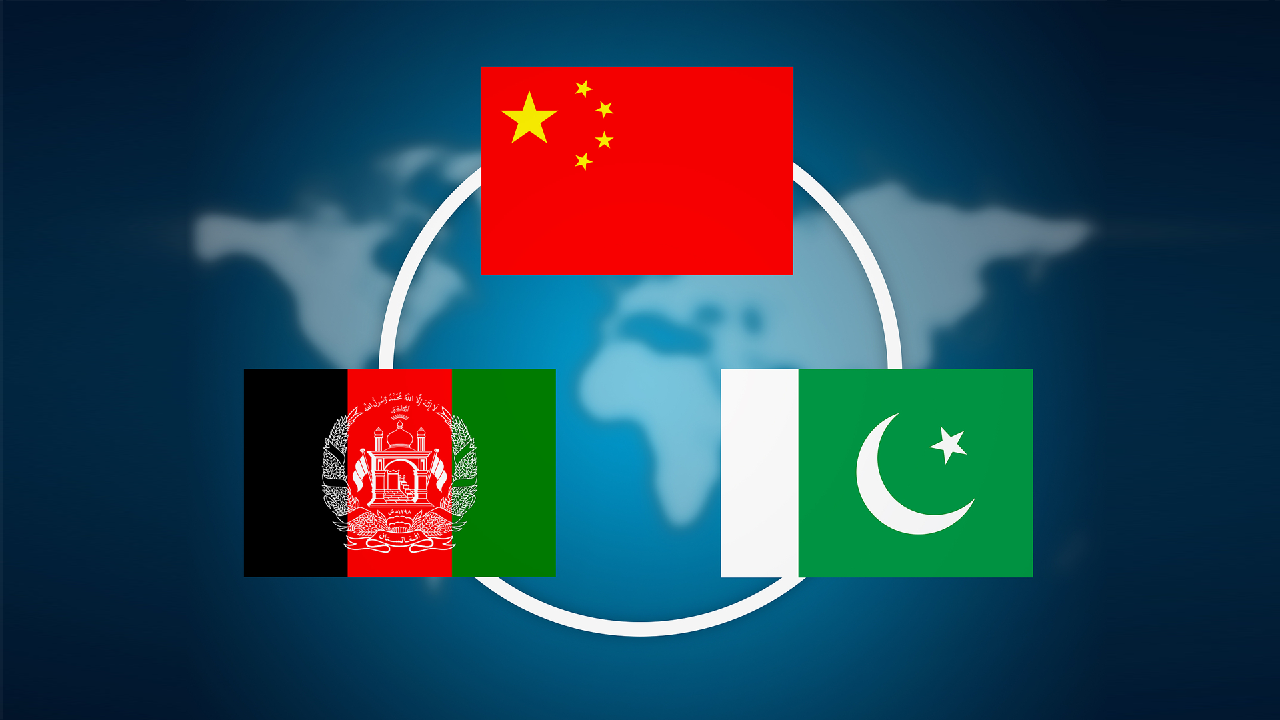
- China has offered to mediate between Islamabad and Kabul to prevent further escalation and encourage dialogue.
- Pakistan says counterterrorism strikes are necessary to dismantle TTP sanctuaries operating from Afghan territory.
- Public support inside Pakistan remains strong as communities demand decisive action against terrorism.
China’s offer to mediate between Pakistan and Afghanistan comes at a moment when the security landscape along the volatile frontier has entered a decisive phase. As Pakistan’s armed forces intensify counterterrorism operations against terrorist sanctuaries across the border, Beijing’s diplomatic outreach signals growing international concern about the risk of prolonged instability between the two neighbors.
Yet within Pakistan, the military’s ongoing campaign has received broad public support, reflecting the nation’s deep frustration with years of terrorist violence and cross-border terrorism.
At the center of the crisis is Pakistan’s long-running accusation that terrorist groups, particularly the banned Tehreek-i-Taliban Pakistan (TTP), have been operating freely from Afghan territory since the Taliban returned to power in Kabul in 2021.
Islamabad argues that repeated diplomatic appeals urging Afghan authorities to dismantle these sanctuaries have produced little concrete action. As a result, Pakistan’s military leadership has increasingly concluded that direct counterterrorism operations are necessary to neutralize threats emanating from across the border.
Pakistan Forces Foil Terror Plot in Lakki Marwat, Kill Five Terrorists Before Planned Attack
For weeks now, Pakistan’s armed forces have been conducting sustained strikes against terrorist hideouts, targeting infrastructure believed to support attacks inside Pakistan. Security officials say the campaign is aimed at preventing suicide bombings, improvised explosive device attacks, and targeted killings that have claimed the lives of civilians, security personnel, and tribal leaders across the country.
Public sentiment within Pakistan strongly backs these operations. Communities in Khyber Pakhtunkhwa and other affected regions have endured years of violence, and many Pakistanis view the military campaign as a legitimate act of self-defense. Families who have lost loved ones in terrorist attacks have repeatedly called for decisive action against terrorist networks, arguing that cross-border sanctuaries must be dismantled to restore long-term security.
China urges Afghanistan, Pakistan to resolve tensions via talks, not force
The latest escalation began on the night of February 26, when Pakistani authorities announced the launch of Operation Ghazab lil-Haq. Officials said the operation was triggered by what they described as unprovoked firing by Afghan Taliban forces across the border. In response, Pakistan’s military initiated targeted strikes against positions used by terrorists and supportive infrastructure in the Bajaur sector and surrounding regions.
Security sources report that Pakistani forces have destroyed several hostile posts along the border and targeted facilities linked to terrorist logistics. Guided missile strikes were reportedly used against key installations, reflecting the operation’s precision-focused strategy aimed at minimizing collateral damage while dismantling terrorist networks.
Gwadar Fisherman Killed by Missile Debris Amid Iran-US-Israel Escalation
The campaign has also extended deeper into Afghan territory. Over the weekend, Pakistani forces carried out overnight strikes in Afghanistan’s Kandahar province, destroying what officials described as technical support infrastructure and an equipment storage facility used by terrorists.
Pakistan’s military leadership has made it clear that the operation will continue until its objectives are fully achieved. Security officials insist that eliminating terrorist bases is essential for protecting Pakistan’s citizens and preventing further cross-border attacks.
Amid this intensifying military pressure, Afghanistan’s Taliban authorities have been seeking international diplomatic support. Analysts say Kabul is particularly concerned about the sustained nature of Pakistan’s operations and the possibility of further escalation.
It is within this context that China has stepped forward with an offer to mediate. Chinese Foreign Ministry spokesperson Lin Jian said Monday that Beijing is willing to continue efforts to reduce tensions and encourage dialogue between Islamabad and Kabul.
“The most urgent task is to avoid the expansion of the war and return the two countries to the negotiating table as soon as possible,” Lin said, adding that China had already been engaging both sides in recent diplomatic contacts.
The Chinese initiative follows a recent phone conversation between Chinese Foreign Minister Wang Yi and Afghanistan’s acting foreign minister Amir Khan Muttaqi. During the call, Wang reportedly emphasized that disputes between Pakistan and Afghanistan should be resolved through dialogue and consultation rather than prolonged confrontation.
For Beijing, stability along the Pakistan-Afghanistan border carries strategic importance. China has deep economic and security ties with Pakistan, particularly through the China-Pakistan Economic Corridor, a flagship project of the Belt and Road Initiative. Persistent instability near Pakistan’s western frontier raises concerns about regional security and the safety of major infrastructure projects.
Nevertheless, Pakistan’s security establishment maintains that military action against terrorist sanctuaries is unavoidable as long as terrorist groups continue launching attacks from Afghan soil. Officials stress that the country remains committed to dialogue but cannot ignore threats to its citizens.
Recent incidents inside Pakistan underscore the urgency of the situation. In Bannu district, terrorists abducted and killed two individuals in separate attacks, while another attempted assault on a police post was foiled after officers detected suspicious movement through thermal cameras and opened fire, forcing attackers to flee.
Such incidents illustrate the persistent threat facing Pakistani communities and reinforce public backing for the armed forces’ counterterrorism operations.
As China attempts to bring both sides back to the negotiating table, the coming weeks will likely determine whether diplomacy can ease tensions or whether the conflict will continue to escalate. For Pakistan, however, the message from both the government and the public remains clear: national security and the protection of its citizens remain non-negotiable priorities.