



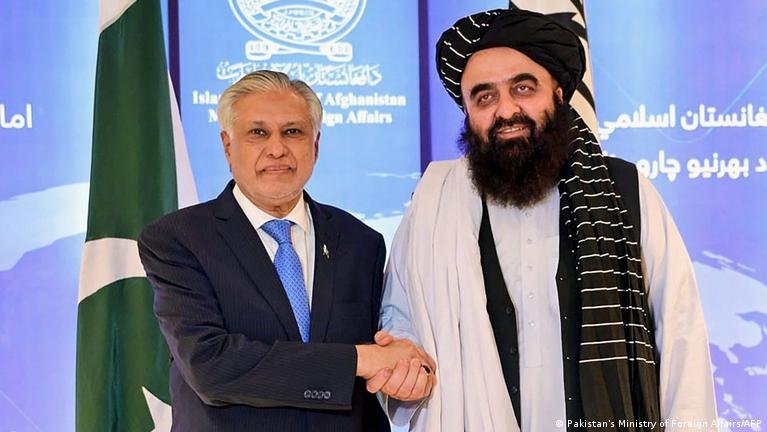
At a time when tensions between Pakistan and Afghanistan threatened to spiral into a prolonged crisis—risking regional trade, border stability, and delicate security arrangements—Saudi Arabia stepped forward as a dependable mediator.
Riyadh’s facilitation of talks between Islamabad and Kabul is not just an exercise in diplomacy; it is a demonstration of Saudi Arabia’s growing influence across the Islamic world and Crown Prince Mohammad bin Salman’s (MBS) commitment to preventing fraternal Muslim nations from drifting into conflict.
A Relationship Built on Trust—Pakistan, Afghanistan, and Riyadh
Saudi Arabia has long enjoyed a unique position in South Asian geopolitics. With Pakistan, Riyadh shares decades of strategic cooperation, deep defence ties, and people-to-people affinity rooted in faith and mutual security. Simultaneously, Saudi Arabia has maintained cordial ties with the Afghan Taliban, even before the fall of Kabul in 2021. This rare diplomatic balance allowed Riyadh to act as a credible neutral party.
With tensions escalating in late October after border clashes between Pakistan and Afghanistan, and a breakdown of talks in Doha and Istanbul, the region desperately needed a stabilising force. Saudi Arabia stepped in to fill that vacuum—quietly hosting delegations from both sides in Riyadh and preventing a complete collapse of the dialogue.
The Roots of Pak–Afghan Tensions
Relations have been strained for months. Pakistan’s core concern is the persistent threat posed by the banned Tehreek-i-Taliban Pakistan (TTP), which has intensified attacks inside Pakistan with alarming frequency. Islamabad maintains—and with evidence—that TTP fighters operate from Afghan soil and use the porous frontier as a sanctuary. Afghan Taliban leaders deny these claims, despite repeated requests from Pakistan to crack down on the group.
The tensions peaked after deadly border skirmishes in early October, followed by Islamabad’s decision to close key border crossings, halting trade and movement. For a landlocked Afghanistan, this was a significant economic blow. Kabul retaliated by suspending trade ties with Pakistan, escalating the standoff.
Failed Dialogues in Doha and Istanbul
Two rounds of dialogue—in Doha and later in Istanbul—attempted to restore calm but ended without meaningful resolution.
The October 25 Istanbul round collapsed, as Information Minister Attaullah Tarar confessed that there was “no workable solution.”
Turkey and Qatar, acting as mediators, salvaged the process temporarily with an October 31 joint statement.
By November 7, Defence Minister Khawaja Asif declared talks “over” as negotiations entered an “indefinite phase.”
After this breakdown, both sides retreated into hardened positions, and the threat of escalation grew.
Saudi Arabia Steps In
The Saudi-led effort in Riyadh was essentially an emergency intervention. Unlike earlier rounds involving many stakeholders, these meetings were discreet and focused. Delegations from Pakistan and Afghanistan—largely the same teams who participated in Istanbul—met under Saudi auspices.
According to diplomatic sources, Saudi officials proposed that Pakistan consider resuming bilateral trade even while negotiations on cross-border terrorism continued. Islamabad, however, declined, insisting that any normalization must be tied to Kabul first halting TTP activities.
Despite the lack of a final breakthrough, Riyadh’s role prevented a complete diplomatic freeze. Saudi Arabia succeeded where others struggled—by bringing both sides back to the table and keeping communication alive.
Why Saudi Arabia’s Mediation Matters
Saudi Arabia’s involvement is not symbolic; it is strategic.
Deep Defence Partnership with Pakistan:
The Pakistan–Saudi defence architecture is decades old. Riyadh trusts Islamabad’s security establishment, and Pakistan respects Saudi leadership in the Muslim world.
Good Relations with the Afghan Taliban:
Not many states enjoy Kabul’s confidence the way Saudi Arabia does. This allows Riyadh to exercise influence without appearing coercive.
MBS’s Vision of a Cohesive Islamic Bloc:
Crown Prince Mohammad bin Salman has repeatedly emphasised the need for sustainable peace between Muslim-majority nations. Whether in GCC reconciliation, African diplomacy, or South Asian disputes, MBS has positioned Saudi Arabia as a unifying force.
Pakistan and Afghanistan, both Muslim-majority nations sharing faith, culture, and history, were drifting dangerously apart. Saudi diplomacy helped halt that slide.
Pakistan’s Hard Line on Border Security
Pakistan’s closure of the border was not merely economic pressure—it was a calculated strategic response to the rising threat posed by TTP attacks. Over the past year, terrorists infiltrating from Afghanistan targeted Pakistan’s military and civilian installations, resulting in significant loss of life. Islamabad has made it clear that no regional connectivity, no trade, and no energy corridors can proceed unless Kabul takes concrete steps to dismantle the TTP infrastructure.
The Afghan Taliban’s inability—or unwillingness—to act decisively against TTP remains the core obstacle.
The Road Ahead: A Fragile but Recoverable Relationship
The future of Pakistan–Afghanistan ties depends on several factors:
Whether Kabul finally reins in the TTP.
Whether trade and border movement can be normalized.
Whether further Saudi-led engagement can push both parties toward compromise.
Whether Turkiye and Qatar can continue supporting the peace framework.
However, what remains certain is that Saudi Arabia has emerged as a credible mediator. Pakistan deeply values this support, and Afghanistan recognises Riyadh’s sincerity.
A Moment of Leadership for Mohammad bin Salman
In an era of shifting alliances and rising instability, Crown Prince Mohammad bin Salman has demonstrated that Saudi Arabia is ready to shoulder responsibility in the Islamic world. His diplomatic outreach, credibility with both Pakistan and Afghanistan, and commitment to preventing crises between Muslim nations reflect a new, confident Saudi foreign policy.
At a time when other initiatives stalled, Riyadh kept dialogue alive. Where regional actors hesitated, Saudi Arabia stepped forward. The path to lasting peace remains challenging, but thanks to Saudi Arabia’s timely intervention, Pakistan and Afghanistan have an opportunity to rebuild trust—and eventually restore the brotherly ties that bind them.
If stability returns to the region, history will record that Saudi Arabia—and MBS in particular—played a pivotal role in preventing a tragic rift between two neighbouring Islamic nations.