



By: Muhammad Zaeem Saqib
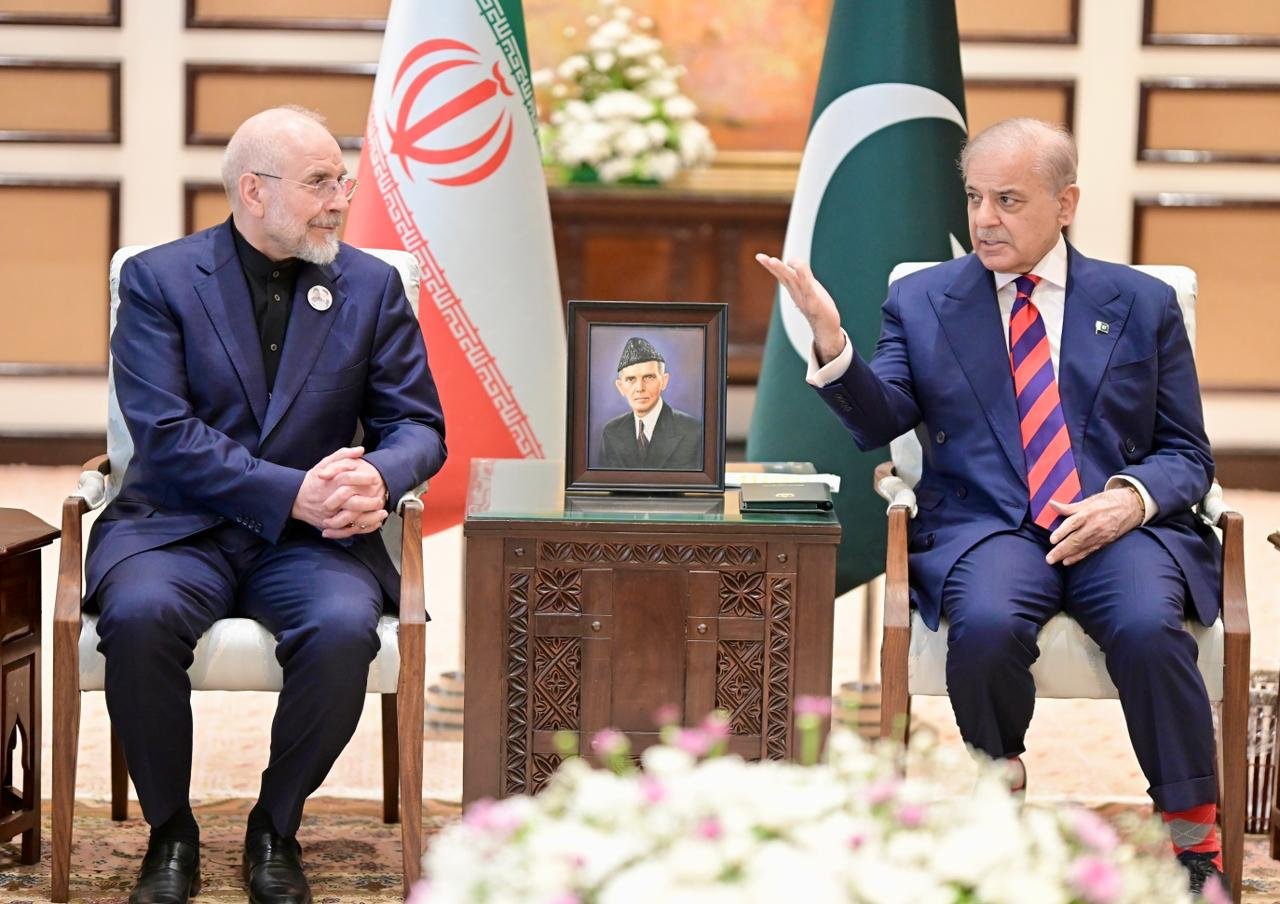
- Pakistan Middle East diplomacy gains global attention amid US-Iran talks in Islamabad
- Islamabad positions itself as a neutral platform for high-stakes negotiations
- Shehbaz Sharif and General Asim Munir push for regional peace and ceasefire efforts
- Renewed US-Iran engagement signals possible de-escalation in the Middle East
The Middle East has long been a region defined by geopolitical complexities, historical conflicts, and persistent tensions that continue to shape the global political landscape. In recent times, the situation has remained particularly fragile, involving key players such as Iran, the United States, and Israel.
Their interactions, policies, and strategic interests continue to influence regional stability and security. Against this backdrop, Pakistan has emerged as a potential mediator, underscoring its significance in promoting peace and stability in this volatile region.
The current geopolitical environment in the Middle East reflects a blend of ongoing conflicts, fragile diplomatic efforts, and shifting strategic alliances. Iran remains at the center of regional tensions, largely due to its nuclear program, expanding regional influence, and relationships with various proxy groups.
The United States, on the other hand, has maintained a complex and often fluctuating relationship with Iran—ranging from engagement and negotiations to sanctions and confrontation. The withdrawal of the Trump administration from the Iran nuclear deal in 2018, followed by the re-imposition of strict sanctions, significantly escalated tensions.
However, recent developments suggest a renewed willingness on both sides to pursue diplomacy, offering a possible pathway toward de-escalation.
Israel continues to view Iran’s regional ambitions as a direct threat to its national security. The ongoing conflict involving Israel and Palestinian groups, combined with Iran’s support for Hezbollah in Lebanon and other allied factions, has further entrenched a cycle of hostility and mistrust.
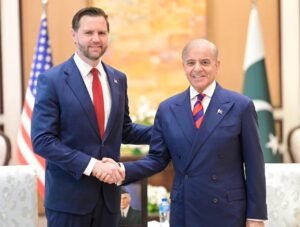
Asim Munir Iran War Diplomacy: How Pakistan’s Field Marshal Convinced Trump to Delay Strike on Iran
These overlapping conflicts contribute to the broader instability that defines the region today.
In this complex environment, Pakistan’s role as a mediator and advocate for peace has gained increasing importance. Historically, Pakistan has pursued a policy centered on neutrality, dialogue, and conflict resolution. Prime Minister Shehbaz Sharif has consistently emphasized Pakistan’s commitment to fostering peace in the Middle East and its readiness to facilitate dialogue between conflicting parties.
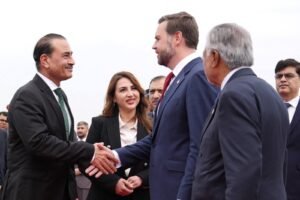
Similarly, Chief of Defence Forces General Asim Munir has highlighted the importance of diplomacy, regional cooperation, and conflict containment. Pakistan’s strategic location, longstanding diplomatic ties, and reputation as a credible intermediary position it uniquely to support ceasefire initiatives and peace negotiations.
US and Iran hold their highest-level direct talks in years
Recent talks between the United States and Iran have attracted considerable global attention, signaling a potential thaw in relations. These discussions primarily focus on Iran’s nuclear program, its regional role, and the possible lifting of sanctions that have placed significant strain on its economy.
A breakthrough in US-Iran relations could ease proxy conflicts and contribute to stability in key areas such as Iraq, Syria, Lebanon, and Yemen. Moreover, it could create opportunities for broader regional cooperation, including counter-extremism efforts and economic development initiatives.
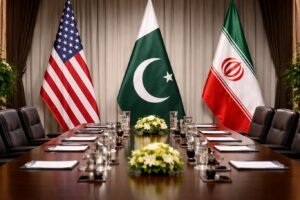
In a significant development, delegations from the United States and Iran are scheduled to arrive in Islamabad on April 10 for talks aimed at reaching a comprehensive agreement to resolve longstanding disputes and promote regional peace. This development further reinforces Pakistan’s emerging role as a facilitator of high-stakes diplomacy.
The situation in the Middle East remains complex and ever-evolving, shaped by competing interests and multiple power centers. Nevertheless, Pakistan’s proactive diplomatic engagement offers a measure of hope. With leadership from Prime Minister Shehbaz Sharif and General Asim Munir emphasizing dialogue, ceasefires, and cooperation, Pakistan is positioning itself as a constructive force for peace.
Coupled with the momentum of US-Iran negotiations, these efforts could pave the way for a more stable and peaceful Middle East. Sustained international engagement, meaningful dialogue, and a shared commitment to peaceful resolution will be essential in transforming the region from one of conflict to one of cooperation—benefiting not only the Middle East but the wider world.
Muhammad Zaeem Saqib is an Islamabad-based journalist with a passion for writing on foreign policy and strategic affairs. The views expressed here are his own and do not necessarily reflect those of The Islamabad Telegraph