



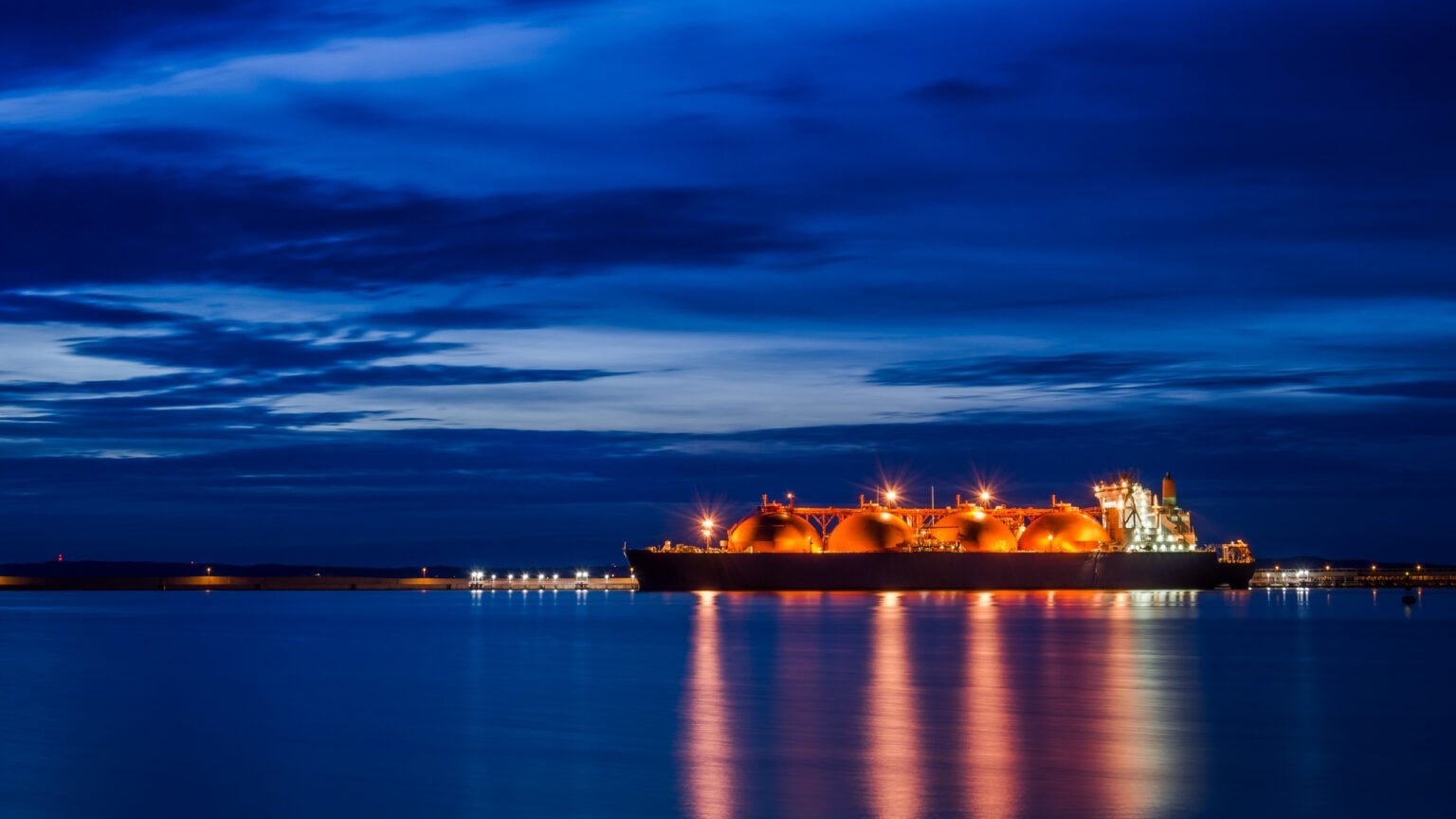
- Russia redirects LNG to Asia-Pacific to stabilize global energy supply amid Middle East tensions.
- Deputy PM Alexander Novak confirms contracts with India, China, Thailand, and the Philippines underway.
- European LNG imports set to decline as EU phases out Russian energy by 2026–2027.
- Asia-Pacific countries could benefit from competitive pricing and steady gas supplies during the crisis.
Moscow, March 6, 2026 — Russia is preparing a major strategic shift in its liquefied natural gas (LNG) export patterns, moving supplies away from European markets and toward Asia‑Pacific “friendly” countries amid soaring global energy prices and disruptions triggered by the Iran conflict.
Deputy Prime Minister Alexander Novak confirmed Friday that senior officials and energy companies have begun discussions on redirecting Russian LNG supplies from Europe to growing markets in Asia, including India, the People’s Republic of China, Thailand, and the Philippines. Novak said the move is being considered “without waiting for further restrictions from Europe” and already involves long‑term contract negotiations with key partners.
The announcement comes amid heightened global energy concerns as conflict in the Middle East—notably involving Iran—has severely disrupted shipments through the Strait of Hormuz, a critical chokepoint for crude oil and LNG flows.
Russia Energy Boon Iran War: Kremlin Gains Amid Strait of Hormuz Crisis
Multiple analysts report that the ensuing volatility has pushed global gas prices sharply higher and underscored supply vulnerabilities for energy‑dependent Asian economies.
Strategic Pivot: Quantifying the Shift
Russia’s energy export footprint has historically balanced between European and Asian buyers. In 2024, Russia exported a record 33.6 million tonnes of LNG, with about 52 % delivered to Europe and 45 % to Asia, according to industry analytics firm Kpler data. China and Japan were the largest Asian buyers, importing roughly 7 million and 5.7 million tonnes, respectively.
Russia weighs redirecting LNG exports from Europe to Asia-Pacific, media quote Novak as saying
However, the European Union has agreed to phase out Russian LNG imports by the end of 2026 and pipeline gas by September 2027, prompting Russian planners to accelerate diversification of export destinations ahead of sanctions deadlines.
Novak stressed that “new long‑term contracts” are being pursued to ensure a stable redirection of volumes that would otherwise go to Europe, positioning Russia to bolster energy supplies to markets less affected by Western energy policy constraints.
Geopolitical and Market Impacts
President Vladimir Putin had earlier signaled that Russia could “halt gas supplies to Europe right now” in response to the energy crisis and sharply rising prices, partly attributed to the Iran‑linked tensions disrupting global sea lanes.
Iran Employing Foreigners: Pakistani Accused of Plot Against Trump Raises Global Security Concerns
He framed the potential reallocation of shipments as both a market and partnership decision amidst Europe’s planned retreat from Russian energy.
This shift could have wide‑ranging implications:
-
For Asia: Nations like India and China, which have rapidly expanding energy demands, may secure more stable and competitively priced LNG supply. Russia’s focus on Asia aligns with its broader energy diplomacy strategy and could help alleviate short‑term energy shortages in regionally critical markets.
-
For Europe: Redirecting volumes away from European buyers could accelerate energy tightness in the short term, even as the bloc seeks alternative suppliers such as the U.S. and Qatar. Some member states, such as Slovakia, are already in talks to increase Russian imports prior to the ban’s implementation, highlighting divergent regional dependencies.
-
For global prices: With major producers like Qatar temporarily sidelined by infrastructure disruptions, the global supply deficit has intensified, keeping benchmark LNG and crude prices elevated.
Outlook and Strategic Positioning
Energy analysts note that Russia’s redirection strategy underscores a broader realignment of global fossil fuel trade flows. While Russia previously relied heavily on European demand, deteriorating diplomatic ties and regulatory barriers have pushed Moscow to court emergent Asian markets more aggressively.
“Russia’s decision to redirect LNG shipments reflects not just geopolitics but market realities,” said one industry observer. “Asia now represents some of the most lucrative long‑term demand growth, especially as Western markets tighten restrictions.”
With Russia’s LNG infrastructure capable of supporting larger shipments and Asia’s energy hunger growing, the redirection could represent one of the most consequential shifts in the global energy map in recent years — just as geopolitical tensions place unprecedented strain on traditional supply chains.