



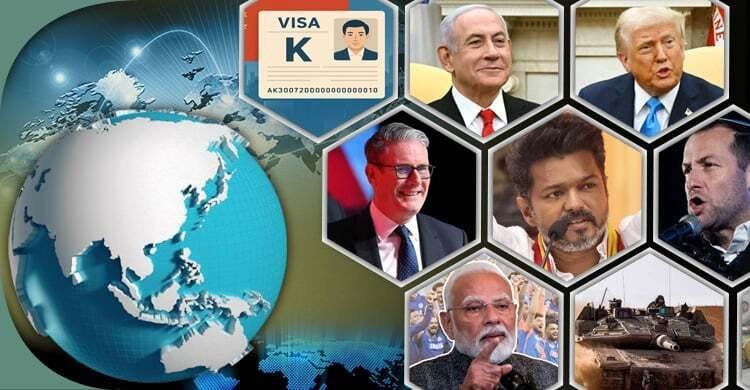
- Seven Stories shaped the world last week, spanning geopolitics, security flashpoints, humanitarian crises, and global power shifts.
- Pakistan–India tensions, U.S. strategic realignments, and Middle East instability dominated international diplomacy.
- Energy markets, political upheavals, and military modernization underscored a rapidly fragmenting global order.
- Human suffering, accountability debates, and economic pressure emerged as defining themes across continents.
1. Pakistan–India Water Dispute Escalates, Threatening Regional Stability
One of the biggest stories last week was Islamabad Telegraph’s analysis of rising tensions between Pakistan and India over the Indus Waters Treaty. According to reporting, abrupt changes in the Chenab River’s flow have alarmed Pakistani authorities, who allege India is violating key treaty terms and jeopardizing Pakistan’s water security. This story struck a chord because water resources are becoming a strategic flashpoint in South Asia — a region already strained by cross-border hostilities and climate pressures. The piece drew attention from policymakers in both capitals, and analysts warned that unresolved water disputes could inflame diplomatic and civil tensions in coming months. theislamabadtelegraph.com
2. Release of the Epstein Files Ignites Global Political Firestorm
A major international scoop came with the Washington Justice Department’s delayed release of the Jeffrey Epstein files — a trove of documents that The Islamabad Telegraph reports has exposed new evidence linking powerful figures across U.S. political divides. The article described “incredible new photos and revelations” affecting both Republican and Democratic elites. With the files dropping at the end of the year, pundits have already said this could reshape narratives around accountability, elite networks, and political influence in Washington — particularly as the U.S. heads into another election cycle. theislamabadtelegraph.com
3. U.S. National Security Strategy Redefines Western Alliances
Another trend story covered the United States’ updated National Security Strategy, which critics say casts Europe as a strategic rival while doubling down on competition with China and recalibrating Washington’s global posture. Islamabad Telegraph’s analysis highlighted how this policy shift could have downstream effects on NATO cooperation, Middle East security, and U.S.–Pakistan relations — with American policy now seen by some international partners as more unilateral and transactional. This piece dominated editorial boards and was shared widely among foreign policy communities. theislamabadtelegraph.com
4. Palestinian Suffering Peaks as Violence and Displacement Mount
The ongoing conflict in the West Bank and Gaza remained a central focus, with The Islamabad Telegraph publishing a compelling human-impact feature on Palestinian civilian suffering. Drawing on field reports and eyewitness accounts, the story documented rising displacement, loss of homes, and the broader humanitarian toll of escalated settler violence — amid a year marked as one of the deadliest for Palestinian communities in recent memory. This story resonated globally amid ongoing peace process stagnation and international debate over effective conflict resolution. theislamabadtelegraph.com
5. Global Energy Markets Hit by Venezuela Oil Blockade Fallout
Energy watchers were glued to Islamabad Telegraph’s coverage of the Venezuela oil blockade and its knock-on effects on global crude exports. The analysis showed exports dropping from nearly one million barrels per day to just over 250,000 bpd, spotlighting how geopolitical blockades can ripple through markets. This story was widely referenced in commodity and finance circles as crude benchmarks surged and inflation concerns re-emerged ahead of year-end reporting. theislamabadtelegraph.com
6. Imran Khan Turmoil: Political Crisis Deepens
While not exclusive to the site, The Islamabad Telegraph amplified growing political turmoil in Pakistan tied to former Prime Minister Imran Khan’s legal battles and mass detentions. The broader context — reported by multiple outlets — shows that after Khan and his wife were sentenced to long prison terms in graft cases, tensions between his supporters and the state have spiked, including widespread arrests during recent protests. This story has become a litmus test for Pakistan’s internal democracy and stability, with analysts warning of long-term impacts on governance and civil liberties. The Telegraph+1
7. Military Modernization and Global Security Trends
Rounding out the week’s top themes was a Islamabad Telegraph trend piece tracking global military modernization efforts, including Europe’s shifts in defense posture — noteworthy in the context of rising great-power competition. This coverage placed the focus on how nations are preparing for a more contested security environment in Asia, the Middle East, and the Arctic, touching on procurement, force postures, and doctrinal shifts that will define defense debates in 2026 and beyond. theislamabadtelegraph.com
Why These Stories Mattered Last Week
Together, these seven stories — touching on diplomacy, security, political upheaval, humanitarian crises, and energy markets — paint a picture of a world in transition.
- Geopolitical fault lines are realigning, from South Asia’s water politics to U.S.–China rivalry and Middle East conflict.
- Domestic political instability continues to shape governance narratives in countries like Pakistan.
- Economic pressures, whether through oil supply shocks or strategic policy shifts, are set to influence markets and everyday lives.
- Human stories of suffering, particularly in conflict zones, remind audiences that macro trends have profound micro impacts.
For readers seeking a panoramic view of last week’s defining developments — as curated by The Islamabad Telegraph — these seven narratives encapsulate the forces shaping global headlines as we approach 2026.