



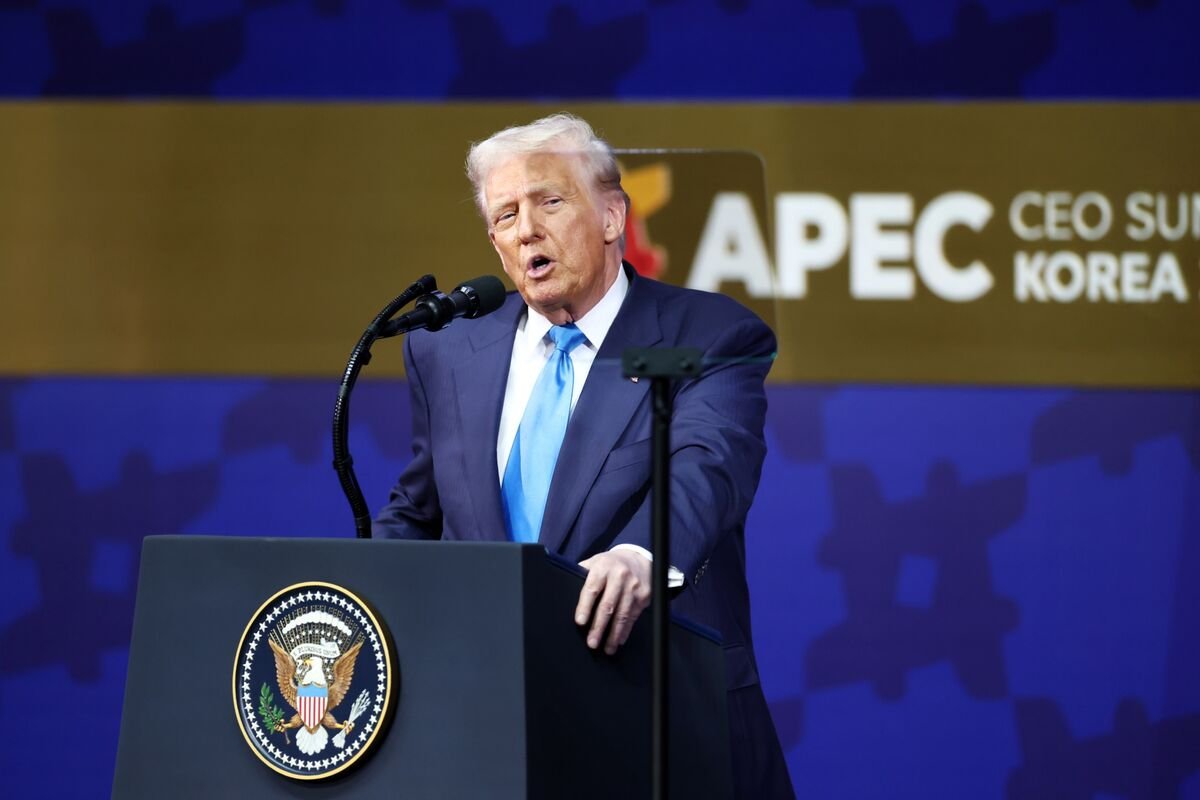
- Trump 2.0 may intensify the India–US tariff dispute and expand deficit-driven trade pressure.
- U.S.–India strategic alignment could narrow Pakistan’s diplomatic space.
- Escalating U.S.–China rivalry may place CPEC under greater scrutiny.
- Pakistan could leverage transactional diplomacy for trade and security gains.
In recent weeks, former U.S. President Donald Trump has once again thrust tariffs into the center of global debate. His renewed threats to impose sweeping import duties—should he return to the White House—have unsettled markets and revived anxieties about economic volatility. The prospect of “Trump 2.0” is no longer just a domestic American political storyline; it is a global economic question with direct implications for Asia, particularly for India and Pakistan.
To understand the stakes, it is essential to clarify what tariffs are and why they matter. A tariff is a tax imposed by a government on imported goods. Its primary purpose is to shield domestic industries from foreign competition by making imported products more expensive. In practice, tariffs are often deployed as instruments of leverage—“if you tax our goods, we will tax yours.” Under Trump’s first term, this logic defined U.S. trade policy, particularly toward China, but also toward allies such as India.
The India–U.S. tariff dispute is rooted in long-standing disagreements over market access, import duties, and fair trade practices. Washington has repeatedly accused New Delhi of imposing excessively high tariffs on American exports, including motorcycles, medical devices, agricultural products, and dairy goods. U.S. officials argue that India’s protectionist policies distort trade and widen the bilateral trade deficit.
India, however, rejects the characterization. It contends that as a developing economy, it requires policy space to protect its farmers and domestic industries. New Delhi has also criticized U.S. actions, notably Washington’s decision to impose tariffs on Indian steel and aluminum and to remove India from the Generalized System of Preferences (GSP). The GSP had allowed certain Indian goods to enter the U.S. market duty-free. Its withdrawal was viewed in India as punitive and politically motivated.
At the heart of the dispute lies a familiar tension: the United States seeks lower tariffs and greater market access, while India prioritizes economic sovereignty and protection of vulnerable sectors. The disagreement extends beyond traditional goods into digital trade and technology regulation. India’s data localization policies—requiring companies to store certain data within its borders—have drawn criticism from U.S. firms and policymakers. Divergent e-commerce rules and regulatory frameworks further complicate the relationship.
Should Trump return to office, tariff-driven diplomacy would likely intensify. His approach is transactional and deficit-focused. For India, this could mean renewed pressure to lower tariffs and liberalize markets. For the broader region, it signals a more confrontational trade environment in which economic policy becomes a geopolitical weapon.
For Pakistan, Trump 2.0 presents a complex mix of risks and openings.
The most immediate challenge lies in great-power competition. A second Trump administration would almost certainly sharpen Washington’s strategic rivalry with Beijing. Pakistan’s deepening partnership with China—particularly through the China–Pakistan Economic Corridor (CPEC), a flagship project of the Belt and Road Initiative—would come under closer scrutiny. U.S. policymakers may view CPEC not merely as infrastructure development, but as a strategic extension of Chinese influence.
In such a climate, Islamabad could face direct or indirect pressure: tighter financial oversight, scrutiny of Chinese-linked projects, or even secondary sanctions targeting entities involved in sensitive sectors. Navigating between its “all-weather” partnership with China and a potentially hostile Washington would demand diplomatic precision.
Compounding this is the U.S.–India strategic convergence. Trump cultivated a strong personal rapport with Indian Prime Minister Narendra Modi during his first term. A second term could further elevate India as Washington’s principal counterweight to China in the Indo-Pacific. This alignment may translate into accelerated defense cooperation, advanced technology transfers, and stronger political backing for New Delhi on regional issues.
For Pakistan, that shift could narrow diplomatic space. Reduced U.S. engagement on contentious regional matters—particularly Kashmir—would alter the strategic balance. A more assertive India, backed by Washington, would intensify pressure on Islamabad at a time when its economic resilience remains fragile.
Pakistan’s economic vulnerability amplifies these risks. As a developing economy grappling with fiscal constraints, inflationary pressures, and external debt obligations, Pakistan is highly sensitive to global trade disruptions. Escalating tariff wars between major economies can depress global growth, disrupt supply chains, and reduce export demand. For a country seeking economic stabilization, such turbulence poses real danger.
Yet crises also generate opportunity.
A transactional U.S. administration, while unpredictable, is not necessarily inaccessible. Trump’s foreign policy philosophy is less ideological than interest-driven. This creates space for pragmatic bargaining. Pakistan could recalibrate its engagement with Washington around clear deliverables: cooperation on counterterrorism, regional stability in Afghanistan, or trade facilitation in exchange for market access, investment incentives, or targeted economic relief.
Moreover, intensifying U.S.–India trade friction could indirectly benefit Pakistan in niche sectors. If American importers seek diversification away from high-tariff Indian goods, Pakistani exporters—particularly in textiles and agriculture—could position themselves as alternative suppliers. Realizing such gains, however, would require structural reforms, improved competitiveness, and regulatory predictability at home.
Ultimately, Trump 2.0 would reinforce a global order defined less by shared values and more by hard bargaining. For Pakistan, the central challenge is not choosing between Washington and Beijing, but managing both without compromising sovereignty or economic stability. The era of predictable alliances is fading; strategic autonomy demands economic strength.
No country can sustain geopolitical relevance without a solid economic foundation. For Pakistan, resilience at home—fiscal discipline, export diversification, institutional reform—is the true safeguard against external pressure. In a world shaped by tariff battles and great-power rivalry, national security begins with economic security.
The return of tariff politics is a reminder that global trade is no longer merely about commerce. It is about leverage, influence, and power. Pakistan’s task is to navigate this shifting landscape with clarity, realism, and a firm understanding that in international politics, interests—not sentiment—shape outcomes.