



- Iran US talks Islamabad disrupted after Trump cancels U.S. delegation visit
- Steve Witkoff and Jared Kushner trip called off amid diplomatic uncertainty
- Iran’s Abbas Araghchi departs Pakistan before U.S. envoys arrive
- Pakistan’s mediation role tested as tensions reshape negotiation dynamics
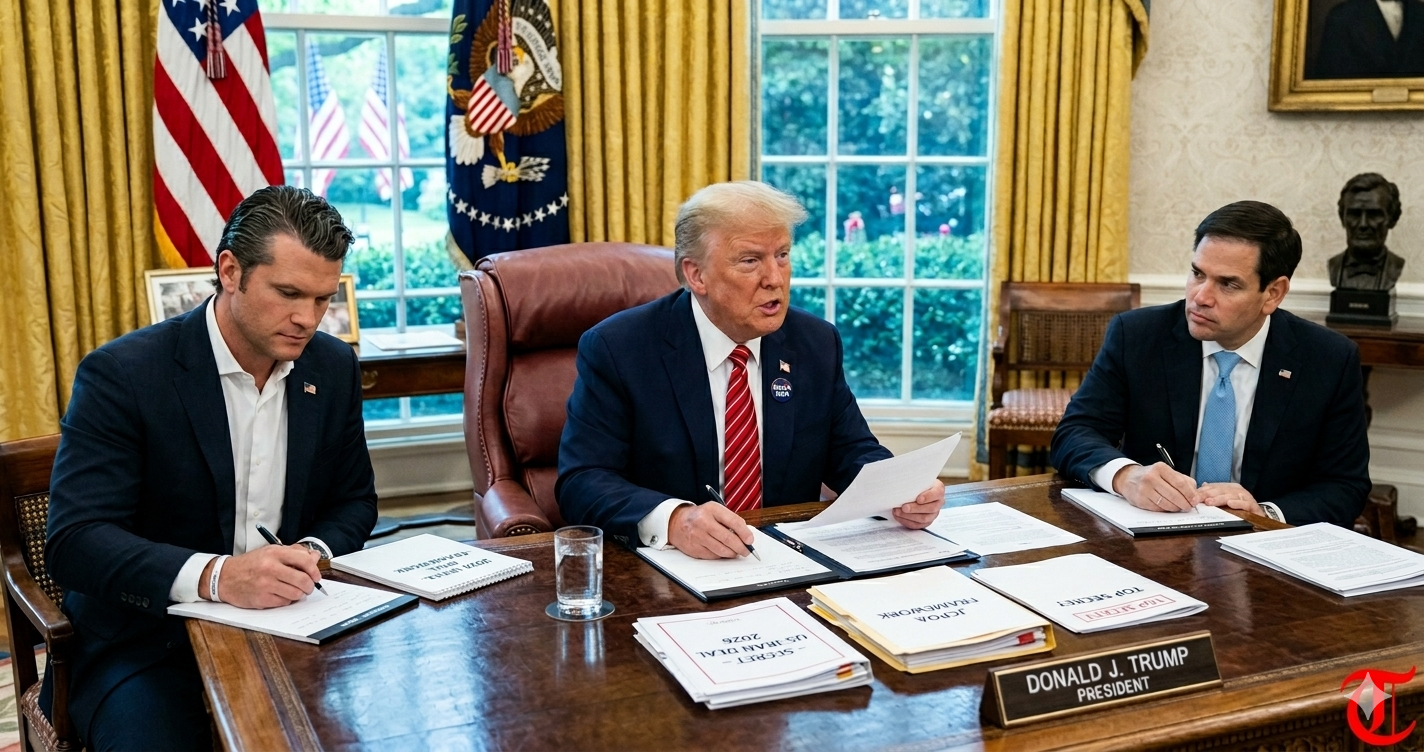
President Donald Trump’s abrupt cancellation of the planned peace delegation led by Steve Witkoff and Jared Kushner has reshaped the diplomatic landscape surrounding U.S. engagement with Iran. The delegation had been expected to travel to Pakistan for consultations that were widely viewed as an opportunity for indirect contact with senior Iranian officials.
However, Iranian Deputy Foreign Minister Abbas Araghchi departed the country shortly before the U.S. envoys were scheduled to arrive, with Tehran insisting that no direct meeting had been planned.
The White House described the cancellation as a strategic decision. In public remarks, President Trump said the trip was “not necessary at this time,” adding that the United States was “working from a position of tremendous strength.” He also referenced what he characterized as internal divisions within Iran’s leadership, suggesting that Washington would not commit senior envoys to travel without clearer signals from Tehran.
Diplomatic observers note that the episode reflects the fluid and often unpredictable nature of the current talks. Pakistan has been attempting to mediate between Washington and Tehran, hosting Araghchi for discussions on regional security, maritime tensions, and the fragile ceasefire framework.
Iran US Talks Islamabad Resume Without VP JD Vance as High-Stakes Negotiations Enter Critical Phase
Iranian officials described their meetings with Pakistani leaders as “productive,” but reiterated their position that direct talks with the United States remain off the table under present conditions.
Trump Card: A Tactical Pause Rather Than a Breakdown
Analysts following the process say the cancellation does not necessarily signal a collapse in dialogue. Instead, it highlights the competing narratives shaping the negotiations. For Washington, calling off the delegation avoids the optics of envoys arriving to an empty table. For Tehran, leaving before the U.S. arrival reinforces its stance that it will not be pressured into direct engagement.
Islamabad Summit: World on Edge as U.S.-Iran Talks Enter Make-or-Break Phase
The move also aligns with President Trump’s established negotiation style, which often incorporates abrupt shifts, public messaging, and calibrated unpredictability. By pausing the delegation, the administration signals that it expects more definitive commitments from Iran before advancing to the next stage.
What Comes Next
Three potential pathways now define the diplomatic horizon:
1. Renewed Indirect Mediation Through Pakistan Islamabad remains positioned as the most viable intermediary. Pakistani officials have emphasized their readiness to continue facilitating dialogue, and both sides have used Pakistan as a channel for indirect communication in recent weeks. If Iran prefers to maintain distance from direct talks, Pakistan may again serve as the venue for back and forth messaging.
2. Heightened Rhetoric and Strategic Posturing Iranian officials have issued strong warnings in recent days, including statements about potential large scale retaliation if attacked. Such rhetoric could harden positions on both sides, particularly if maritime tensions escalate or if regional ceasefire arrangements begin to fray. The cancellation may therefore precede a period of sharper public messaging.
US Iran Ceasefire Extended as High-Stakes Islamabad Talks Signal Possible Breakthrough
3. A Quiet Diplomatic Reset Despite public denials, Iran has historically engaged in indirect or discreet talks even while rejecting formal negotiations. Some analysts believe both sides may still be maneuvering toward a structured framework, especially as regional actors — including Pakistan, Qatar, and Oman — continue to encourage de escalation.
A Deeper Signal in the Timing
The timing of the cancellation has prompted questions about whether it reflects a broader recalibration in Washington’s approach. The United States has insisted that Iran must demonstrate seriousness before any direct engagement. Iran, meanwhile, has demanded relief from maritime restrictions and sanctions pressure before entering structured talks.
This dynamic has produced a negotiation environment defined less by formal channels and more by signaling — departures, cancellations, public statements, and mediated exchanges. In this context, the cancellation becomes part of a broader pattern: each side attempting to shape the diplomatic terrain without appearing to concede leverage.
For Pakistan, the episode underscores both the opportunity and the challenge of its mediating role. The country remains one of the few states able to host both Iranian and U.S. interlocutors, but the volatility of the process means that progress can shift rapidly from promising to uncertain.
As of now, the next steps remain unclear. The White House has not announced a new date for the delegation’s travel, and Iranian officials have returned to Tehran. What is certain is that the diplomatic track remains active — but increasingly defined by pauses, recalculations, and the careful management of public narrative.