



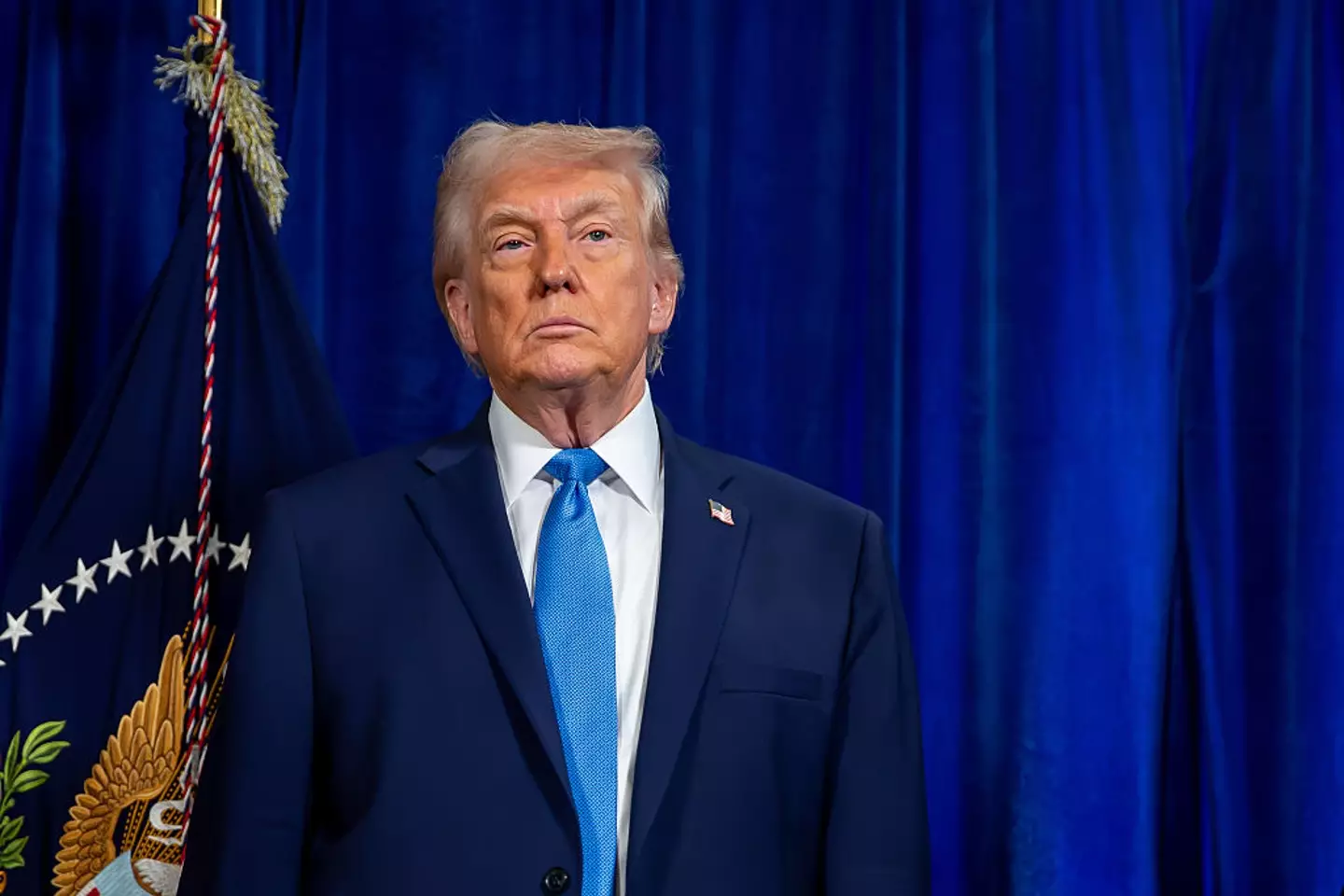
Trump Greenland acquisition plans have taken a surreal turn as the President explicitly linked his demand for the territory to his grievance over being passed over for the Nobel Peace Prize. In a leaked weekend text to Norwegian Prime Minister Jonas Gahr Støre, Trump suggested that since Norway—home of the Nobel Committee—did not recognize his “peace-making” efforts, he no longer feels a moral obligation to prioritize diplomacy over American expansionism.
The exchange, confirmed by the Norwegian government on Monday, has sent shockwaves through the transatlantic alliance. The President’s message was a direct response to Nordic efforts to de-escalate a burgeoning trade war. Trump’s rhetoric has shifted from purely strategic national security arguments to a more personal, retaliatory tone that suggests the acquisition of the world’s largest island is now a matter of presidential legacy and retribution.
The Arctic Chessboard and the Nobel Twist
- Trump Greenland strategy now involves threatening a 10% tariff on eight European nations starting February 1, 2026, if they continue to block U.S. control of the island.
- The President claims his “stopping of 8 wars PLUS” should have secured the 2025 Nobel Peace Prize, which was instead awarded to Venezuelan opposition leader María Corina Machado.
- White House officials, including Treasury Secretary Scott Bessent, are attempting to reframe the narrative as a purely strategic move to protect the Arctic from Russian and Chinese influence.
- European leaders, currently gathering at the World Economic Forum in Davos, view the link between the Nobel Prize and territorial acquisition as a destabilizing form of “geopolitical blackmail.”
The fallout from the text message has been immediate. Prime Minister Støre reiterated that the Nobel Committee is independent of the Norwegian government—a distinction the President has publicly dismissed. Meanwhile, British Prime Minister Keir Starmer and French President Emmanuel Macron have condemned the use of economic coercion against NATO allies.
Greenland Sovereignty Crisis: Why Trump’s Arctic Ambitions Are Fracturing Western Alliance
The “trade war over Greenland” is no longer a hypothetical threat. With the February 1 deadline approaching, the European Union is dusting off its “anti-coercion instrument,” a policy toolkit designed to hit back at trade bullying. If triggered, the EU could impose $108 billion in retaliatory tariffs on American goods, targeting sensitive sectors like tech, aerospace, and agriculture.
Strategic Necessity or Personal Vendetta?
While the White House maintains that Greenland is “critical from the standpoint of national security,” the introduction of the Nobel snub has muddied the waters. Critics in Congress and across Europe argue that the U.S. already enjoys significant military access to Greenland via Pituffik Space Base. They suggest that the current escalation risks the very alliance meant to secure the Arctic.
Greenland Sovereignty Crisis: Why Trump’s Arctic Ambitions Are Fracturing Western Alliance
As the 2026 Davos summit begins, all eyes are on the potential face-to-face meetings between Trump and his European counterparts. Whether the President can be “talked down” or if he will double down on his “Greenland or bust” policy remains the central question of this generational crisis.
Historically, the relationship between the United States and Denmark has been one of the closest and most pragmatic within the Western alliance. Since the 1951 Greenland Defense Agreement, Denmark has been a reliable “super-Atlanticist” partner, hosting critical U.S. early-warning assets at Pituffik Space Base and contributing significantly to NATO missions.
However, 2026 has seen unprecedented cracks form in this bilateral bond. The primary catalyst is President Trump’s aggressive push for the “complete and total control” of Greenland. What was once a close security partnership has devolved into a diplomatic crisis, with the Danish Intelligence Service recently listing the U.S. as a national security threat alongside Russia and China.
The strain reached a breaking point in January 2026 when the U.S. imposed a 10% tariff on Danish goods—set to rise to 25% by June—as leverage for the acquisition. Prime Minister Mette Frederiksen has labeled the pressure “completely unacceptable,” while the Danish military has increased its presence in the Arctic to signal its intent to defend its territorial integrity, even against its oldest ally.
U.S.-Denmark Relations Comparison
| Feature | Historical Status (Pre-2025) | Current Status (Jan 2026) |
| Primary Sentiment | Mutual trust and cooperation | “Fundamental disagreement” |
| Security Status | Closest NATO allies | Perceived as a sovereign threat |
| Economic Policy | Free trade and partnership | Escalating trade war/tariffs |
| Greenland Policy | Shared defense access | Dispute over total ownership |